
 ChatGPT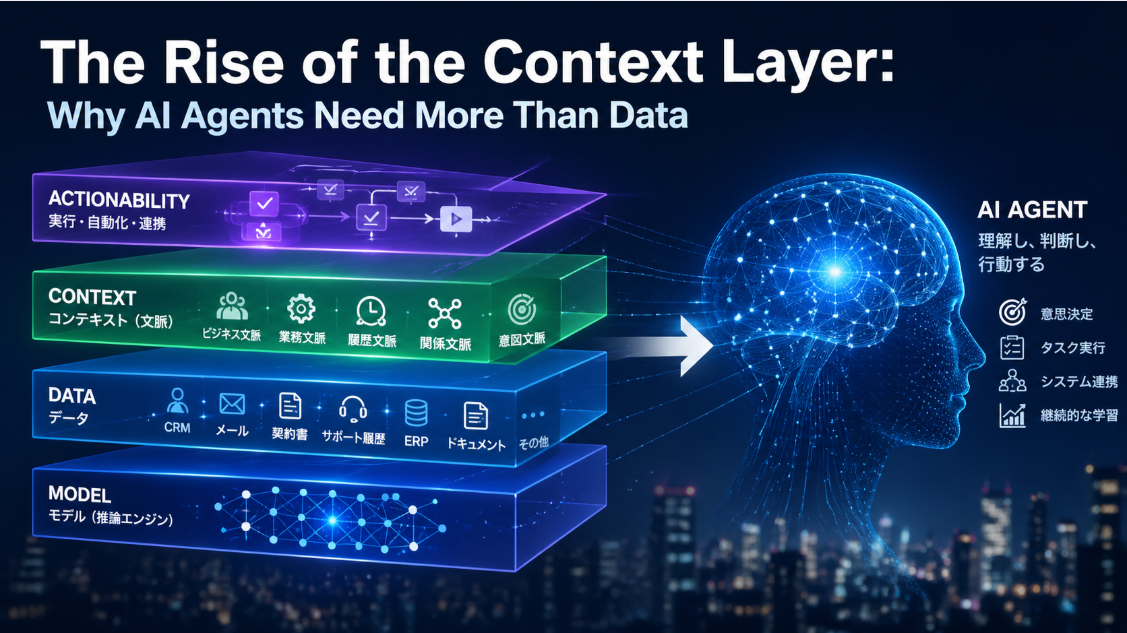
Salesforce’s “AI Activation Layer” and the New Battle for Enterprise Intelligence
Artificial intelligence is entering a new phase. The first generation of enterprise AI focused on models—which LLM is smartest, fastest, cheapest, or safest. The second phase focused on applications—chatbots, copilots, search assistants, and automation tools.
Now a third phase is emerging: context.
This shift is reflected in recent messaging from Salesforce, which has begun promoting the concept of an AI Activation Layer. The core idea is simple but profound:
AI agents cannot create reliable business value from raw data alone.
They need context.
That statement may define the next major competitive battleground in enterprise AI.
Data Is Not Understanding
Most organizations already possess massive amounts of data:
- CRM records
- Emails
- Support tickets
- Contracts
- ERP transactions
- Product catalogs
- Internal documents
- Chat histories
- Knowledge bases
Yet much of this data is fragmented, duplicated, outdated, or disconnected.
A language model can read text, but reading is not the same as understanding. If an AI agent sees:
- “Customer delayed renewal”
- “Escalation ticket unresolved”
- “Usage down 37%”
- “Contract includes expansion option”
…it still may not know:
- Which customer matters most
- Whether churn risk is urgent
- Who owns the account
- What actions are allowed
- What historical patterns matter
- Which signals are noise vs reality
This missing layer is context.
What Is Context?
In enterprise AI, context means the structured meaning surrounding data.
It includes:
Business Context
- Customer tier
- Revenue importance
- Contract stage
- Priority level
- Risk score
Operational Context
- Current workflow state
- Ownership
- Dependencies
- SLA deadlines
- Approval rules
Historical Context
- Past interactions
- Trend changes
- Previous failures/successes
- Seasonal behavior
Relational Context
- Connections between people, products, accounts, cases, teams
Intent Context
- What the user is trying to achieve right now
Without these layers, AI behaves like an intelligent outsider.
With them, AI starts acting like an informed insider.
Why Salesforce Is Pushing This Narrative
Salesforce has a strategic reason to emphasize context.
For years, Salesforce accumulated:
- CRM data
- Sales process metadata
- Service workflows
- Marketing journeys
- Customer identities
- Permission systems
- Internal automation logic
In the LLM era, raw model capability can be purchased from many vendors. But proprietary business context is harder to replicate.
This means the future moat may not be:
- owning the best model
but rather:
- owning the best contextual operating layer for AI agents
That is a highly important shift.
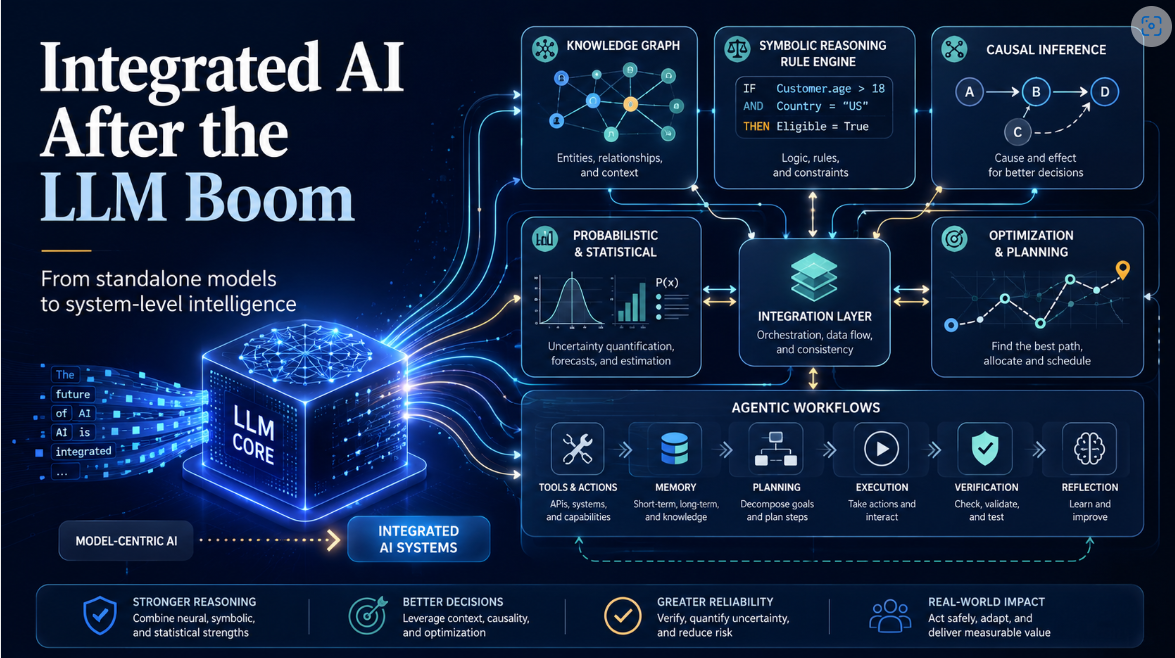
The Real Stack of Enterprise AI
Many companies still imagine AI architecture like this:
Model + Data = Intelligence
A more realistic formula is:
AI Value=Model+Data+Context+Actionability
Where:
- Model = reasoning/generation engine
- Data = enterprise information
- Context = meaning, relationships, constraints
- Actionability = ability to execute safely
Without context, models hallucinate relevance.
Without actionability, insight never becomes outcome.
Why This Matters for AI Agents
Chatbots can survive with shallow context. AI agents cannot.
Agents are expected to:
- Make decisions
- Trigger workflows
- Prioritize tasks
- Coordinate across systems
- Interact autonomously
- Learn from feedback
To do this safely, they need to know:
- what matters
- what is allowed
- what changed
- what depends on what
- what should happen next
That is fundamentally a context problem, not merely a model problem.
The Emerging Context Wars
Expect major vendors to compete around this theme:
Salesforce
CRM-centered customer context
Microsoft
Productivity graph + enterprise identity context
Search + workspace + cloud data context
OpenAI
Model intelligence + tool ecosystem + memory layers
ServiceNow
Workflow context
SAP / Oracle
ERP and transactional context
This suggests the next AI race is less about chat demos and more about who owns contextual infrastructure.
Why “Context” Matters Beyond Big Vendors
Even smaller companies can win here.
Many firms assume they lack enough data to compete. But often they possess valuable hidden context:
- niche workflows
- industry expertise
- specialized taxonomies
- decision heuristics
- expert judgment patterns
- customer relationship nuance
Packaging that into AI systems can create defensible products.
This is especially relevant for domain-specific AI startups.
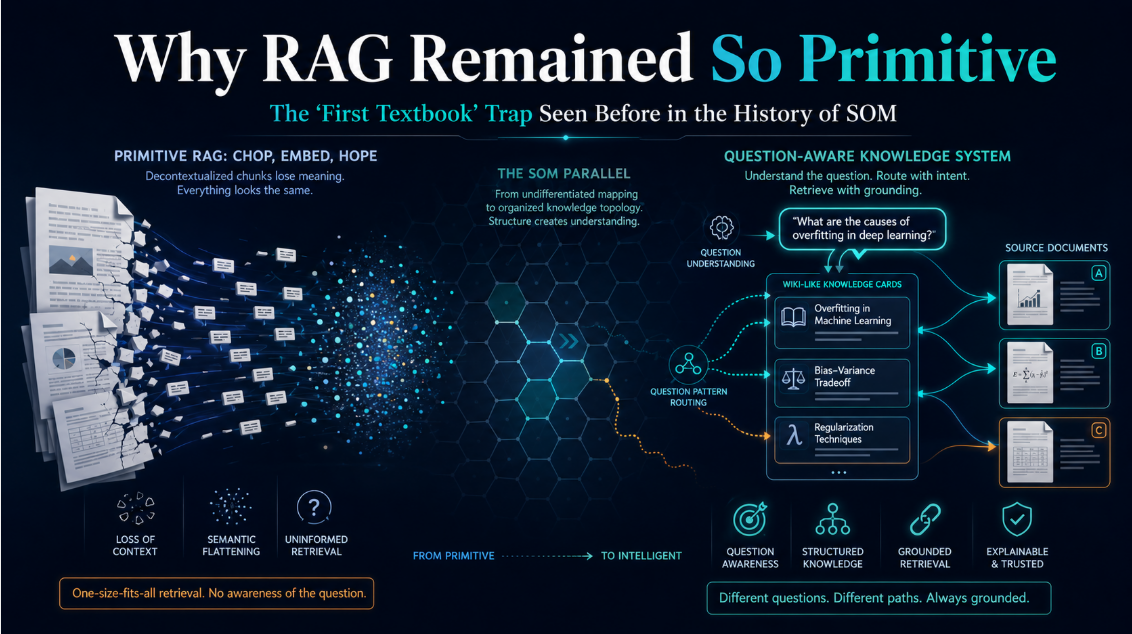
Context vs RAG
Many people think RAG solves context automatically. It does not.
RAG mainly retrieves relevant documents. Useful—but incomplete.
True context may require:
- dynamic state awareness
- entity relationships
- workflow logic
- historical memory
- probabilistic signals
- strategic interpretation
RAG is often document context.
The future demands operational context.
Implications for Builders
If you are building AI products in 2026, ask:
- What context does the user already know that the model does not?
- How can that context be represented structurally?
- How does context update in real time?
- Can context become a proprietary moat?
- Does the AI act differently when context changes?
These may matter more than switching from one frontier model to another.
Final Perspective
The first AI boom was about generating language.
The second was about embedding AI into software.
The third may be about giving AI situational awareness.
Salesforce’s “AI Activation Layer” points toward that future.
Because in business, intelligence without context is just eloquence.
And the companies that master context may quietly dominate the AI era.