
tada@aicritique.org
- Main , RAG , Review , Trende
- July 13, 2026
- 134 views
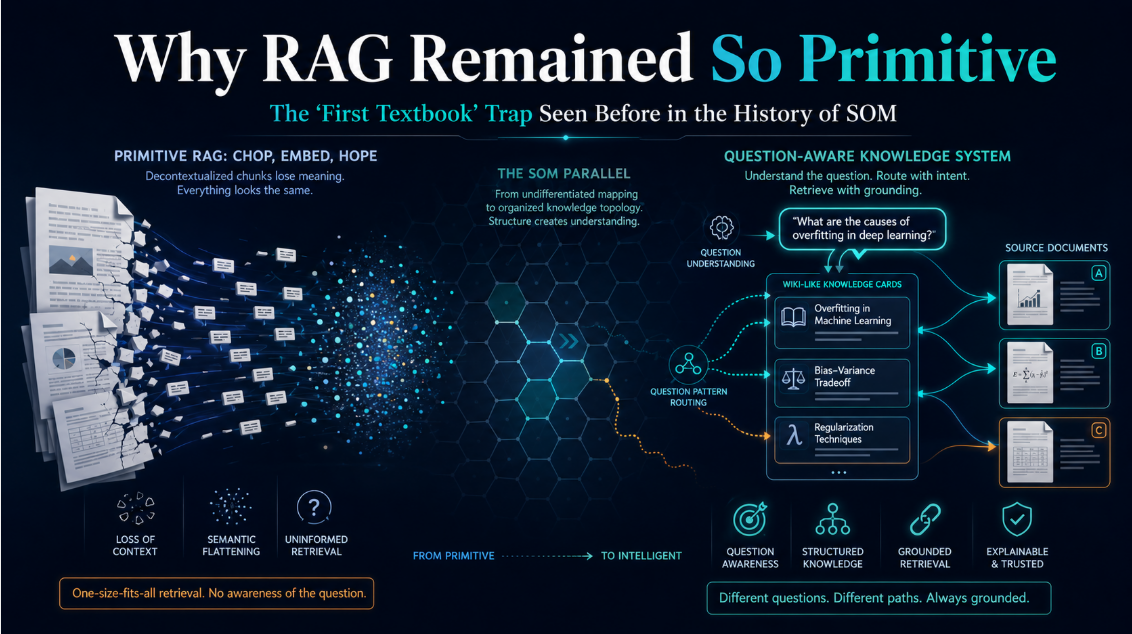
Why RAG Remained So Primitive
The “First Textbook” Trap Seen Before in the History of SOM Retrieval-Augmented Generation, or RAG, has become widely known as a way to connect generative AI with internal corporate documents. The commonly presented explanation of RAG is surprisingly simple: LangChain’s…
 ChatGPT
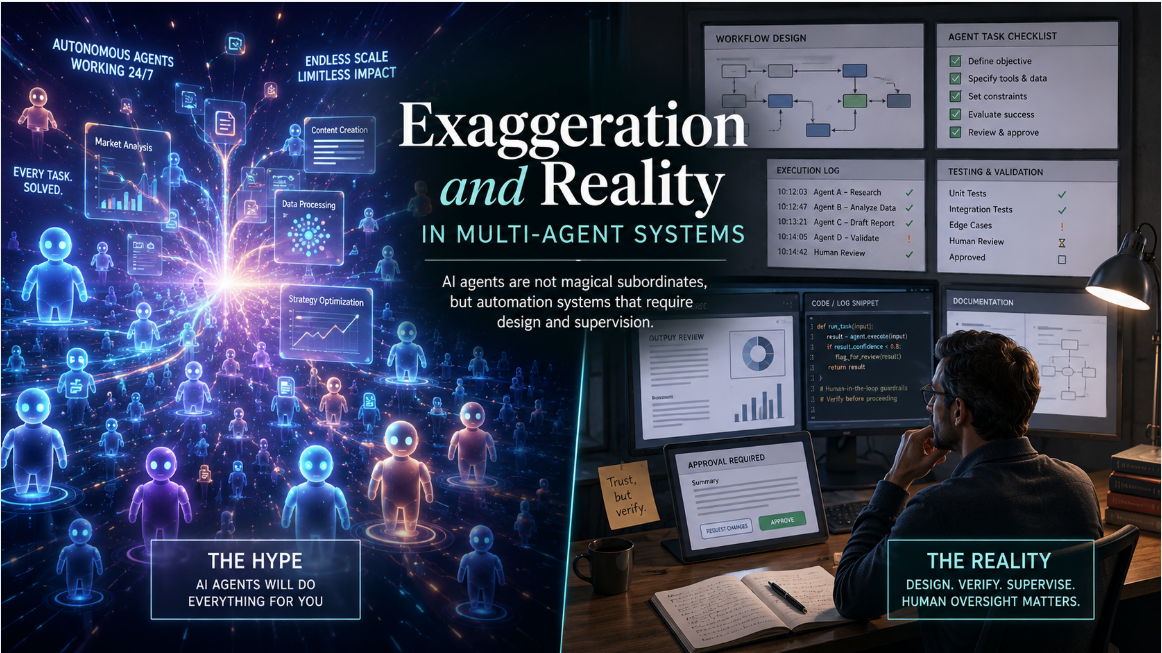
Exaggeration and Reality in Multi-Agent Systems
Introduction: The Fantasy of “AI Subordinates” In recent months, a particular narrative has spread across YouTube, X, blogs, and business-oriented AI commentary: with tools such as ChatGPT Codex, Claude Code, Cursor, Devin, and other agent-based systems, a user can now…
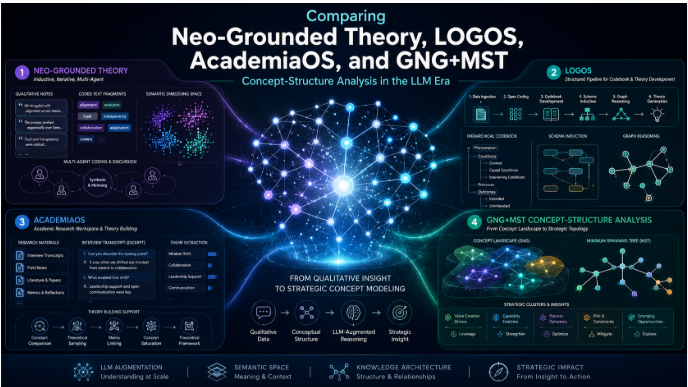
Comparing Neo-Grounded Theory, LOGOS, AcademiaOS, and GNG+MST Concept-Structure Analysis
Executive Summary This report argues that the four approaches under comparison do not belong to a single methodological family in the same sense. Neo-Grounded Theory, LOGOS, and AcademiaOS are best understood as LLM-era attempts to automate, augment, or scale grounded-theory-style qualitative analysis for scholarly inquiry. By contrast, GNG+MST concept-structure…
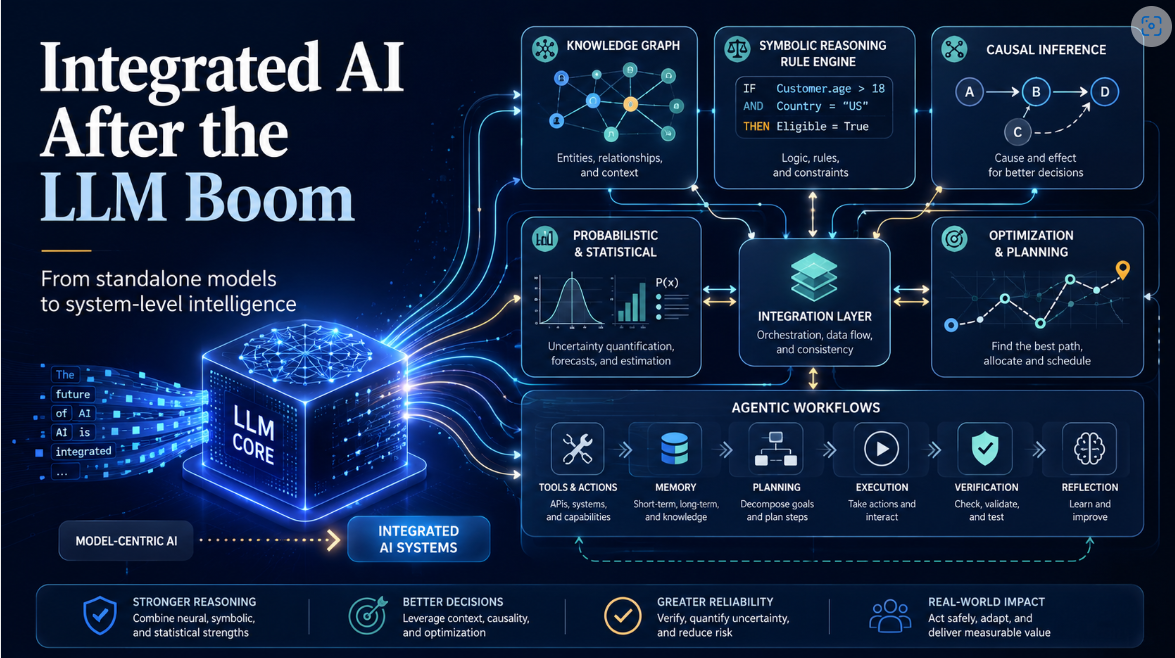
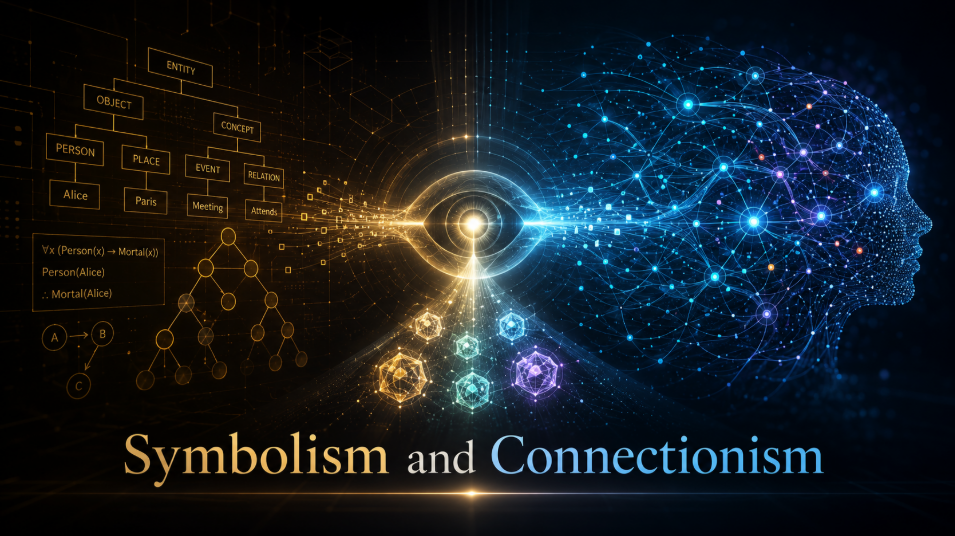
Integrated AI After the LLM Boom
Executive summary Detailed research report for article writing Background and context. Neural AI’s achievements remain extraordinary. Frontier models now write and summarize text, generate and debug code, handle multimodal inputs, and in many products invoke external tools, search the web, or…

 Editor
How to Build Enterprise AI
How Companies Create AI Systems That Actually Work in Business As generative AI advances, more companies are asking the same question: How do we build AI that works inside a real business environment? Using a consumer chatbot alone is not…