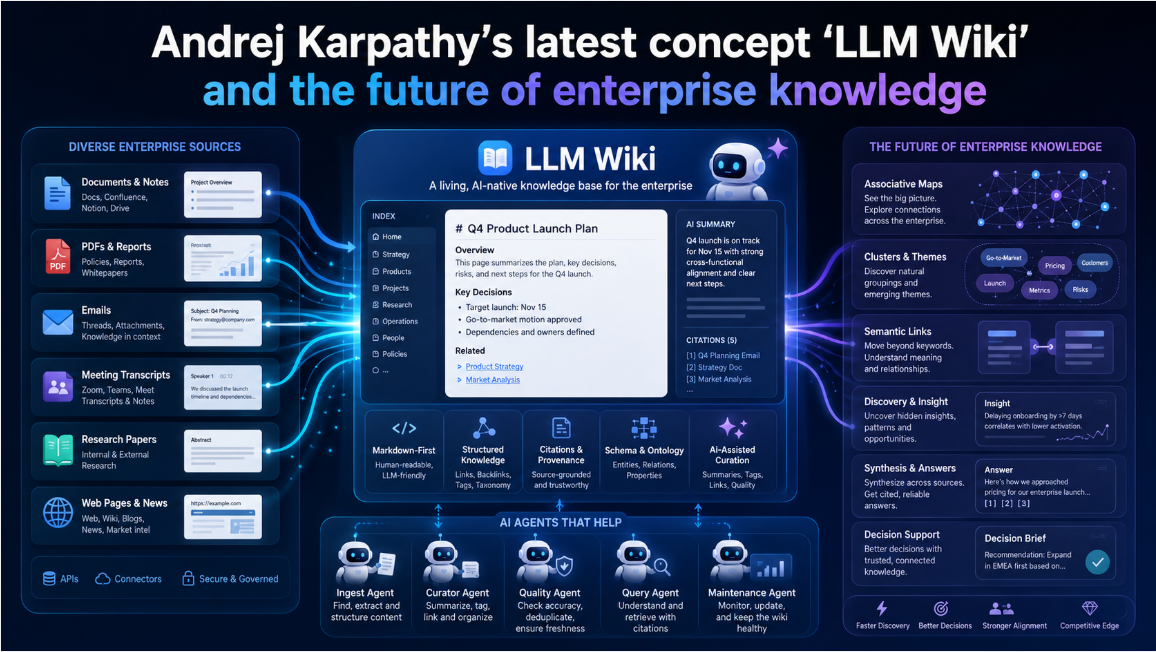


Exaggeration and Reality in Multi-Agent Systems
Introduction: The Fantasy of “AI Subordinates” In recent months, a particular narrative has spread across YouTube, X, blogs, and business-oriented AI commentary: with tools such as ChatGPT Codex, Claude Code, Cursor, Devin, and other agent-based systems, a user can now…
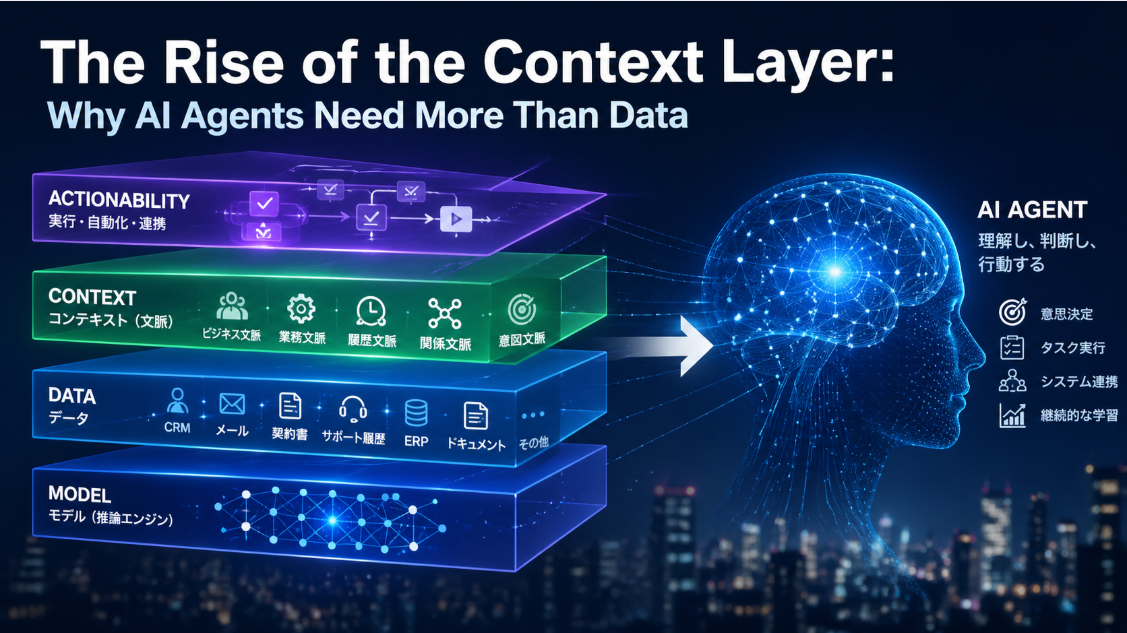
The Rise of the Context Layer: Why AI Agents Need More Than Data
Salesforce’s “AI Activation Layer” and the New Battle for Enterprise Intelligence Artificial intelligence is entering a new phase. The first generation of enterprise AI focused on models—which LLM is smartest, fastest, cheapest, or safest. The second phase focused on applications—chatbots,…
ChatGPT
- Agent , Generative AI
- April 26, 2026
- 554 views
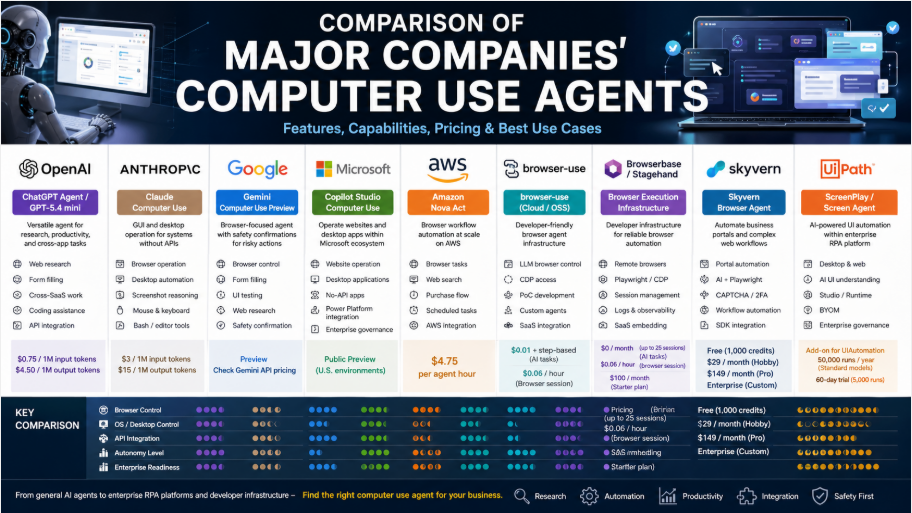
Comparison of Major Companies’ Computer Use Agents
A Practical Enterprise Adoption Guide for Spring 2026: Can AI Become a “Coworker That Operates the Screen”? In spring 2026, the AI market is rapidly shifting beyond simple chatbots toward AI agents that can look at a web browser or…
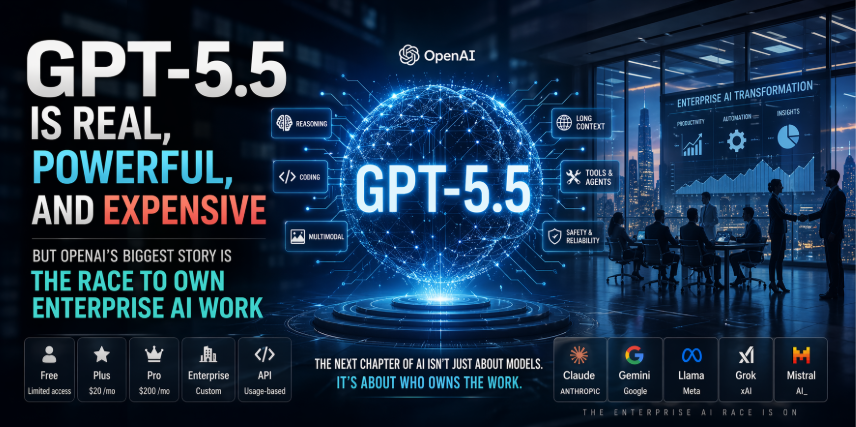
GPT-5.5 Is Real, Powerful, and Expensive — but OpenAI’s Biggest Story Is the Race to Own Enterprise AI Work
On April 23, 2026, OpenAI formally launched GPT-5.5, ending weeks of rumor and leak-driven speculation with a release that is both more concrete and more restrained than some of the hype suggested. The model is official, it is rolling out first in…
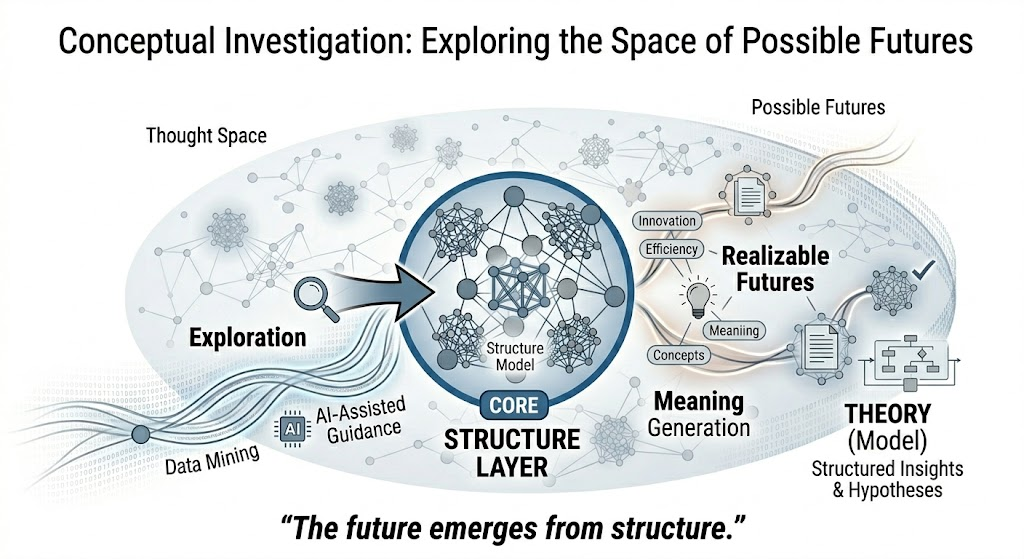
Why Conceptual Investigation?
Kunihiro Tada / Mindware Research Institute A Methodology for Thinking in the Age of Innovation We are living in the midst of a profound wave of innovation.Technological advances—especially in AI—are transforming not only industries, but the very structure of reality…

- Agent , Featured , Generative AI , LM
- March 16, 2026
- 31583 views
GPT-5.4 and the March 2026 ChatGPT Upgrade Cycle: Official Release, Media Narratives, and Real-World Reactions
Introduction On March 5, 2026 (US time), OpenAI released GPT-5.4 across three surfaces at once: ChatGPT (as “GPT-5.4 Thinking”), the OpenAI API (as gpt-5.4), and Codex. In the same rollout, OpenAI also introduced a higher-end variant, GPT-5.4 Pro (gpt-5.4-pro), positioned for maximum performance…

AI Agent Startups Trends 2023–2026
Executive Summary Across January 2023 through February 2026, “AI agents” shifted from experimental LLM wrappers into a distinct product and investment category characterized by (a) tool-using autonomy, (b) workflow-native integration (CRM, ticketing, IDEs, finance/HR back office), and (c) a rapidly emerging governance and security…

tada@aicritique.org
- Academic , Agent , Generative AI , LM
- February 1, 2026
- 1032 views
Will OpenAI Prism accelerate scientific research?
1) Official announcements (what OpenAI says Prism is) What it is Launch details & availability Stated goals Capabilities OpenAI highlights (feature-level)From OpenAI’s launch post and product page, Prism is presented as supporting: Integration with other OpenAI products 2) Media coverage…

Editor
- Agent , Creativity , Data Science , LM , Main , R&D
- October 21, 2025
- 922 views
KJ Method Resurfaces in AI Workslop Problem
To solve the AI Workslop problem, an information organization technique invented in Japan in the 1960s may be effective. Kunihiro Tada, founder of the Mindware Research Institute, says that by reconstructing data mining technology in line with the KJ method,…

- Agent , Generative AI , LM
- October 14, 2025
- 1519 views
AI Work Slop and the Productivity Paradox in Business
Introduction: Modern AI tools promise to supercharge productivity, automating tasks and generating content at an unprecedented scale. Yet many business professionals are noticing a curious problem: an overabundance of low-quality, AI-generated work that adds noise and overhead instead of value.…