

ChatGPT
- AI Chip , Company , Generative AI
- December 9, 2024
- 1125 views
AWS’s Generative AI Expansion
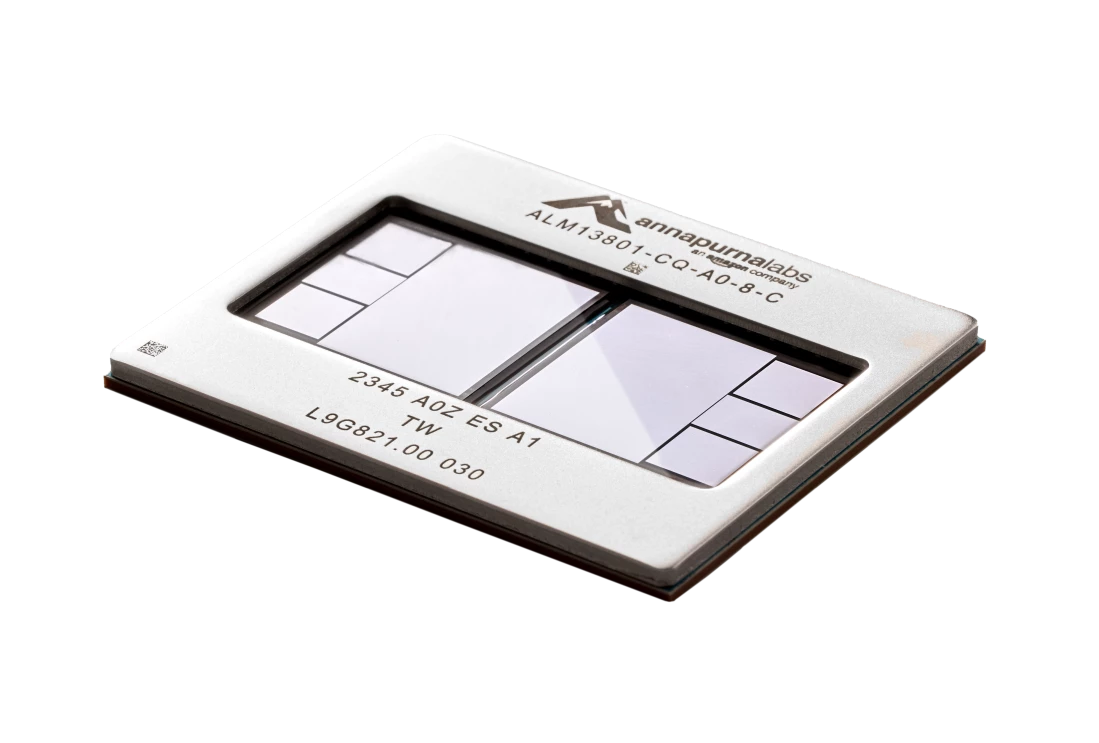
Amazon Web Services (AWS) is expanding its generative AI capabilities to compete with Microsoft and Google. At its annual re:Invent conference, AWS announced third-generation Trainium processors for training large language models and introduced AI tools designed to automate complex tasks,…
Amazon’s AI Supercomputer Initiative
Amazon is collaborating with Anthropic to develop Project Rainer, one of the world’s largest AI supercomputers. This system utilizes Amazon’s Trainium 2 AI chips and aims to be five times more powerful than current models used by Anthropic. Amazon has…

 Editor
IBM Expands its AI Accelerator Offerings; Announces Collaboration with AMD
Nov 18, 2024 IBM (NYSE: IBM) and AMD announced a collaboration to offer AMD Instinct MI300X accelerators as a service on IBM Cloud, targeting enterprise AI and HPC applications. Expected in the first half of 2025, this service aims to…
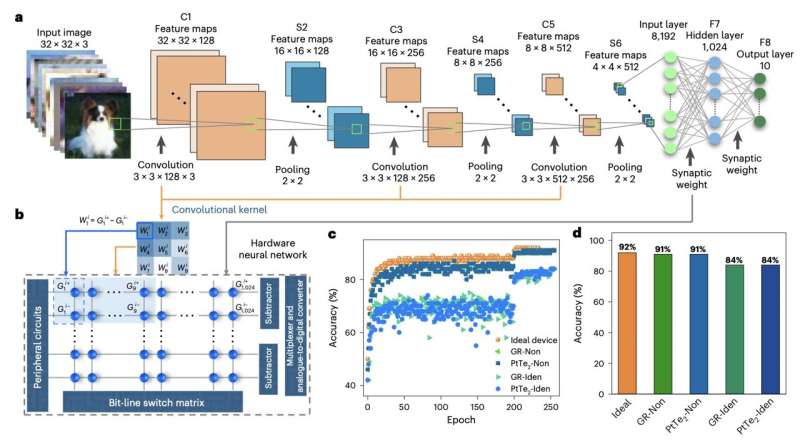
Unique memristor design with analog switching shows promise for high-efficiency neuromorphic computing
Researchers at Wuhan University have developed advanced memristors featuring analog switching and high on/off ratios, utilizing two-dimensional van der Waals metallic materials as cathodes. These memristors employ silver as the top anode and indium phosphorus sulfide as the switching medium.…
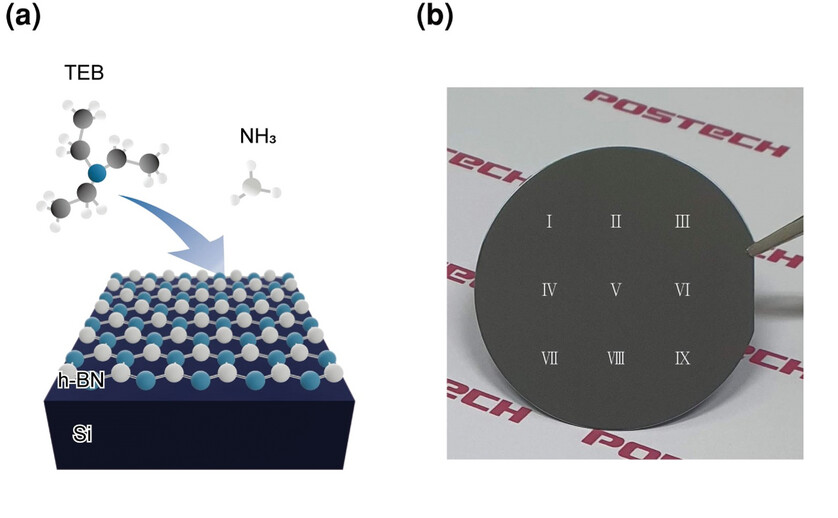
Attojoule Hexagonal Boron Nitride-Based Memristor for High-Performance Neuromorphic Computing
Researchers have developed hexagonal boron nitride (h-BN)-based metal-insulator-semiconductor (MIS) memristors that operate at attojoule energy levels, aiming to enhance energy efficiency in neuromorphic computing. These memristors are fabricated using metal–organic chemical vapor deposition (MOCVD) to grow a uniform h-BN resistive…

TSMC (TSM) Reports Slower Sales Growth Amidst AI Chip Demand Concerns
Recent financial reports from TSMC indicate that the company’s consolidated revenue for October reached NT$314.24 billion, marking a 29.2% year-over-year increase. This growth rate, however, has decelerated from September’s 39.6% rise, raising concerns about the sustainability of AI chip demand.…
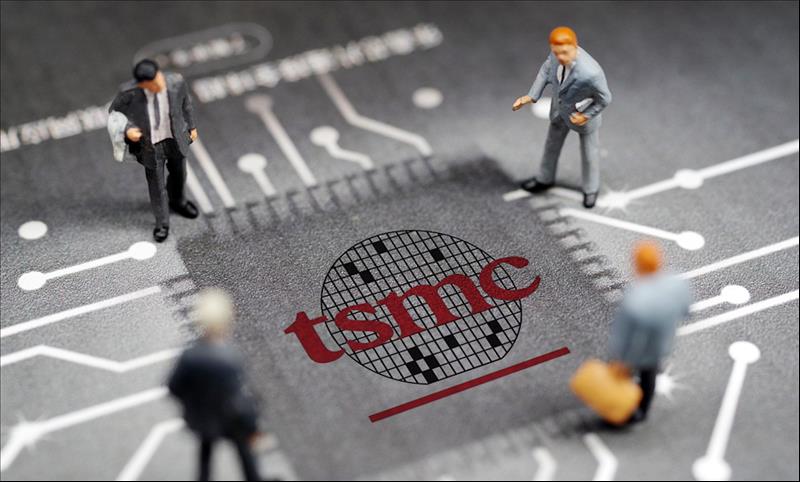
TSMC’s 7Nm Chip Ban Targets China’s AI Chipmakers
Taiwan Semiconductor Manufacturing Company (TSMC), the world’s largest contract chipmaker, has announced that starting November 11, 2024, it will cease supplying 7-nanometer and smaller semiconductors to Chinese clients producing artificial intelligence (AI) chips and graphics processing units (GPUs). This decision…