
ChatGPT
- LM , News Topics
- July 21, 2026
- 233 views
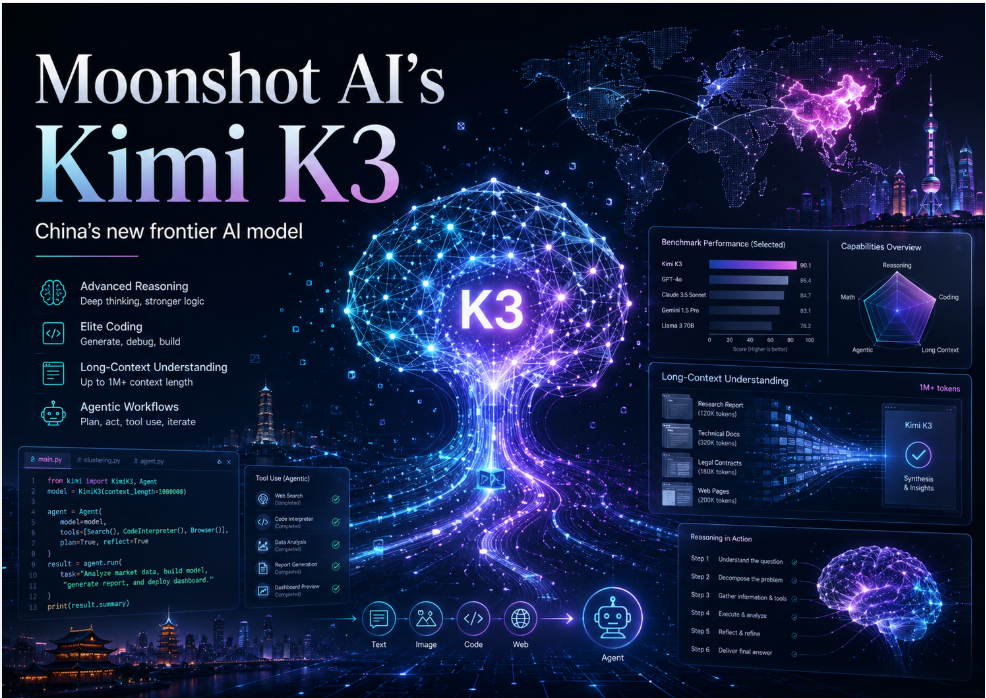
Moonshot AI’s Kimi K3
Executive summary Research cutoff date: July 21, 2026, Asia/Tokyo. This article reflects information that was publicly available and verifiable up to that date. Where Moonshot AI had announced future steps, such as an open-weight release expected after the cutoff, those are…
- LM , Main , News Topics
- July 12, 2026
- 261 views
GPT-5.6 and the Fight Over Frontier AI Access
Executive summary GPT-5.6 did not arrive as a routine model update. OpenAI first introduced the GPT-5.6 family in a limited preview on June 26, 2026, then moved to general availability on July 9, 2026 after a short, unusually visible period of U.S. government…

- Main , News Topics , Trende
- July 2, 2026
- 7230 views
AI Developments in June 2026: Major Releases, Products, Research, and Policy
Executive Summary: June 2026 saw a torrent of AI advances and industry moves. OpenAI unveiled the next leap in generative models – the GPT-5.6 series (Sol, Terra, Luna) – in a government-curated limited preview. Google DeepMind added new capabilities to its…

- AI Governance , Employment Issues , Main , Nation , Philosophy of AI , Regulation , Society
- June 27, 2026
- 144 views
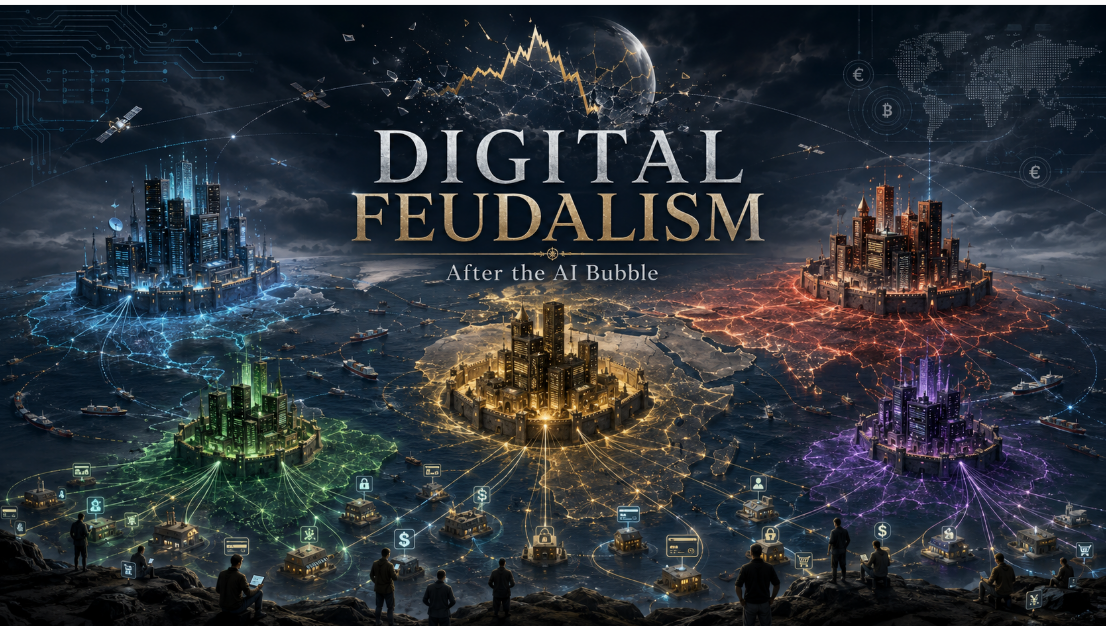
Could AI Produce a Corporate Feudal Order
How platform power, AI infrastructure, private payment ecosystems, and weak fiscal capacity could push advanced capitalism toward something that resembles a new medievalism without ever fully becoming one Executive Summary The strongest version of the “corporate feudalism” thesis is not…
- AI Governance , Nation , Society
- June 27, 2026
- 197 views
AI Nationalization and State Control
Executive summary The practical policy question is no longer whether governments will literally own AI companies. It is whether states will control the strategic chokepoints of AI: the chips, data centers, cloud clusters, safety evaluations, model releases, procurement rules, export…

Exaggeration and Reality in Multi-Agent Systems
Introduction: The Fantasy of “AI Subordinates” In recent months, a particular narrative has spread across YouTube, X, blogs, and business-oriented AI commentary: with tools such as ChatGPT Codex, Claude Code, Cursor, Devin, and other agent-based systems, a user can now…

Emerging Scenarios for an AI Bubble Collapse
Executive summary The most plausible “visible” AI bubble collapse is not a scenario in which artificial intelligence stops mattering. It is a scenario in which AI remains technically real and socially useful, but the financial claims built on top of it…
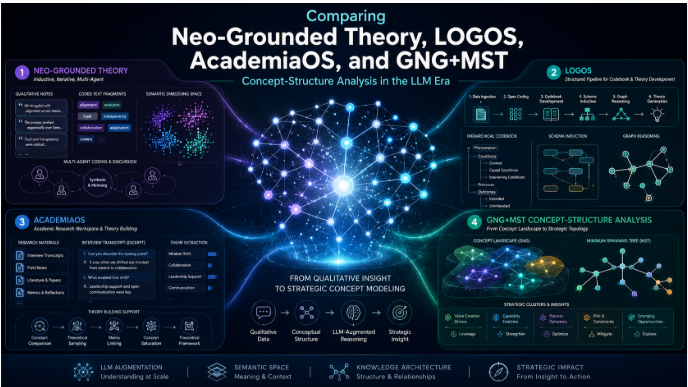
Comparing Neo-Grounded Theory, LOGOS, AcademiaOS, and GNG+MST Concept-Structure Analysis
Executive Summary This report argues that the four approaches under comparison do not belong to a single methodological family in the same sense. Neo-Grounded Theory, LOGOS, and AcademiaOS are best understood as LLM-era attempts to automate, augment, or scale grounded-theory-style qualitative analysis for scholarly inquiry. By contrast, GNG+MST concept-structure…
- Generative AI , LM , News Topics , Uncategorized
- June 10, 2026
- 1796 views
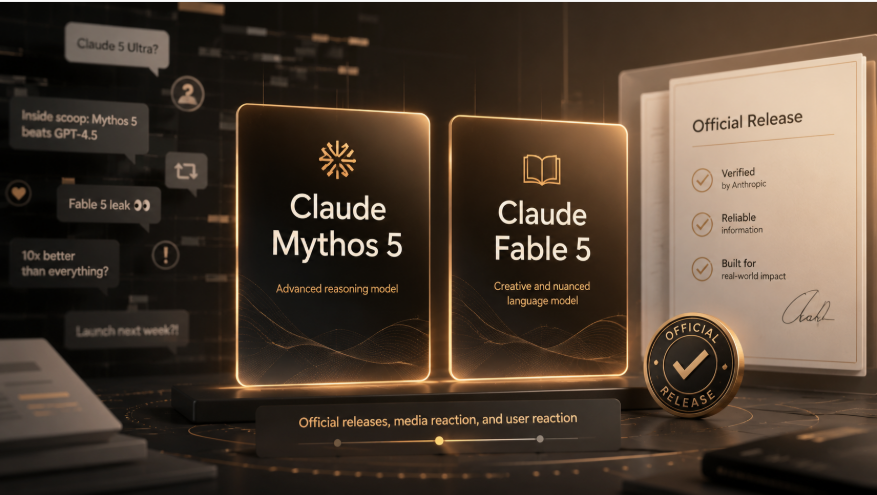
Claude Mythos 5 and Claude Fable 5 Are Official Anthropic Releases, but Much of the Early Chatter Was Not
Introduction As of June 10, 2026, Claude Fable 5 and Claude Mythos 5 are not fan labels, parody names, or mere rumors. They are now official Anthropic model names, publicly documented on Anthropic’s website, product pages, and API documentation. But that official status only dates…

- Edge AI , Main , News Topics
- June 1, 2026
- 836 views
NVIDIA RTX Spark: The Chip That Could Turn the Windows PC Into a Local AI Workstation
Research date: June 1, 2026Suggested SEO title: NVIDIA RTX Spark Explained: The AI PC Chip Challenging Apple Silicon and Snapdragon XMeta description: NVIDIA RTX Spark brings Grace Blackwell-class AI computing into Windows laptops and mini PCs. Here is what RTX…