
 ThinkNavi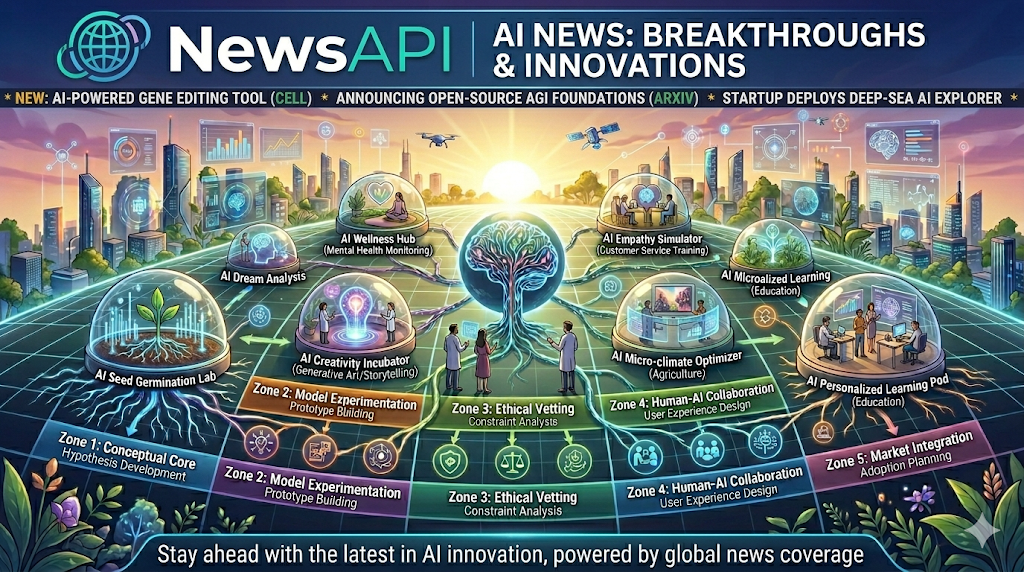
Using ThinkNavi, 98 news topics were retrieved from NewsAPI, and a conceptual structure network model was constructed. By reviewing similar news clusters, trends in related topics can be identified.
Cluster 0: AI and Cybersecurity Developments
This cluster focuses on the intersection of artificial intelligence (AI) and cybersecurity, highlighting recent developments, challenges, and incidents that have shaped the landscape. The snippets reveal a mix of corporate activities, personal stories, and broader societal implications related to AI technologies and their security ramifications.
Featured Entities
Anthropic
Description: Anthropic is a prominent AI research company known for developing advanced AI systems, including the Claude ecosystem. Recent leaks from the company have provided insights into its ongoing developments, particularly the introduction of the “Claude Builder,” an interface aimed at facilitating the creation of AI applications.
Key Features / Keywords: Claude ecosystem, Claude Builder, AI development, research insights.
Target Market / Use Case: Developers and researchers in the AI domain, particularly those interested in building applications that leverage advanced AI capabilities.
Integrations / Platforms: The Claude ecosystem is designed to be integrated into various AI applications and platforms, enhancing the capabilities of developers.
Dimension Profile Interpretation: The snippets indicate a growing interest in the Claude ecosystem, suggesting a robust user base and potential for expansion as AI technologies evolve.
Interpretation Caveats: The information is based on leaks and may not fully represent Anthropic’s strategic direction or product readiness.
OpenAI
Description: OpenAI is a leading AI research organization known for its development of the ChatGPT model and other AI technologies. Recent events have highlighted the challenges faced by its CEO, Sam Altman, including violent incidents related to public perception and trust in AI leadership.
Key Features / Keywords: ChatGPT, AI leadership, public perception, cybersecurity incidents.
Target Market / Use Case: OpenAI’s technologies are widely used across various sectors, including education, customer service, and content creation.
Integrations / Platforms: OpenAI’s models are integrated into numerous applications and services, enhancing user interactions and automating tasks.
Dimension Profile Interpretation: The incidents surrounding Sam Altman indicate a volatile environment for AI leaders, which could impact user trust and adoption rates.
Interpretation Caveats: The personal attacks on Altman reflect broader societal tensions regarding AI, which may not directly correlate with OpenAI’s operational capabilities or product effectiveness.
Cybersecurity Firms
Description: Various cybersecurity firms are responding to the evolving threat landscape exacerbated by AI technologies. The snippets discuss the necessity for organizations to adopt exposure-led resilience strategies to combat interconnected cyber threats.
Key Features / Keywords: Cybersecurity, exposure-led resilience, interconnected threats, reactive security.
Target Market / Use Case: Businesses across all sectors, particularly those heavily reliant on digital infrastructure, are the primary audience for these cybersecurity solutions.
Integrations / Platforms: Many cybersecurity solutions are designed to integrate with existing IT infrastructure, providing layered security measures.
Dimension Profile Interpretation: The emphasis on interconnected threats suggests a growing awareness of the complexities of cybersecurity in an AI-driven world.
Interpretation Caveats: The snippets reflect a general trend and may not capture the specific capabilities or effectiveness of individual cybersecurity solutions.
Conclusion
The intersection of AI and cybersecurity is increasingly complex, with significant implications for technology developers, organizations, and society at large. The developments from entities like Anthropic and OpenAI illustrate the rapid evolution of AI technologies, while the challenges highlighted by cybersecurity firms underscore the urgent need for robust security measures in an interconnected digital landscape.
Cluster 1: AI and Quantum Technology
This cluster explores the convergence of artificial intelligence (AI) and quantum technology, emphasizing the advancements in infrastructure, applications, and the potential impact on various sectors. The snippets reveal insights from industry leaders and highlight the growing importance of these technologies in shaping future innovations.
Featured Entities
Nokia
Description: Nokia is a telecommunications and technology company that has been actively involved in discussions about the evolution of AI infrastructure, particularly in the context of quantum technology.
Key Features / Keywords: AI infrastructure, telecommunications, quantum technology.
Target Market / Use Case: Telecommunications providers, technology developers, and enterprises looking to enhance their AI capabilities through quantum advancements.
Integrations / Platforms: Nokia’s solutions are designed to integrate with existing telecommunications networks and AI applications, enhancing overall performance.
Dimension Profile Interpretation: Nokia’s involvement in AI infrastructure discussions indicates its commitment to staying at the forefront of technological advancements.
Interpretation Caveats: The snippets do not provide specific details on Nokia’s current projects or product offerings related to AI and quantum technology.
Blaize
Description: Blaize is an AI chip innovator that participated in the GITEX AI Asia conference, discussing the role of AI chips in supporting quantum technology applications.
Key Features / Keywords: AI chips, quantum applications, hardware innovation.
Target Market / Use Case: Hardware developers, AI researchers, and organizations seeking to leverage AI chips for quantum computing applications.
Integrations / Platforms: Blaize’s chips are designed to work with various AI frameworks and platforms, facilitating the development of advanced AI applications.
Dimension Profile Interpretation: The focus on AI chips suggests a growing market for specialized hardware that can support the demands of quantum computing.
Interpretation Caveats: The snippets do not elaborate on specific products or technologies offered by Blaize.
Description: Google is actively exploring the integration of AI and quantum technology, with reports indicating ongoing developments in personal AI features that leverage quantum advancements.
Key Features / Keywords: AI, quantum technology, personal AI features.
Target Market / Use Case: General consumers and businesses looking for advanced AI tools that incorporate quantum technology.
Integrations / Platforms: Google’s AI features are integrated into its suite of products, including search, cloud services, and personal assistants.
Dimension Profile Interpretation: Google’s commitment to integrating quantum technology into its AI offerings suggests a strategic focus on maintaining a competitive edge in the market.
Interpretation Caveats: The snippets provide limited information on the specific nature of Google’s quantum-related projects.
Conclusion
The intersection of AI and quantum technology presents significant opportunities for innovation across various sectors. Companies like Nokia, Blaize, and Google are at the forefront of this convergence, exploring new applications and infrastructure that could redefine technological capabilities. As these technologies continue to evolve, their integration into existing systems will likely drive further advancements in AI and quantum computing.
Cluster 2: AI Processing Pipeline
This cluster centers on the tools and frameworks that enable the development of AI processing pipelines. The snippets highlight the importance of flexibility and integration in AI workflows, showcasing the capabilities of specific tools designed to enhance AI processing.
Featured Entity
TrustGraph
Description: TrustGraph is a platform that facilitates the creation and management of AI processing pipelines, allowing users to run flexible AI components seamlessly.
Key Features / Keywords: AI processing pipeline, flexible components, integration.
Target Market / Use Case: Developers and organizations looking to streamline their AI workflows and enhance the efficiency of their AI applications.
Integrations / Platforms: TrustGraph is designed to integrate with various AI tools and platforms, providing a cohesive environment for AI development.
Dimension Profile Interpretation: The emphasis on flexibility suggests a growing demand for adaptable solutions in the AI development space.
Interpretation Caveats: The snippets provide limited details on the specific functionalities and user experiences associated with TrustGraph.
Conclusion
The development of AI processing pipelines is crucial for organizations looking to harness the full potential of AI technologies. TrustGraph exemplifies the trend towards flexible and integrated solutions that can adapt to the evolving needs of AI developers. As the demand for efficient AI workflows increases, tools like TrustGraph will play a vital role in shaping the future of AI development.
Cluster 3: AI Development Tools
This cluster examines the various tools and frameworks available for AI development, focusing on their capabilities, market trends, and the evolving landscape of AI technologies. The snippets reveal insights into the tools that are shaping the AI development ecosystem.
Featured Entities
Orchid
Description: Orchid is a platform-agnostic multi-agent AI framework that combines LangGraph and RAG (Retrieval-Augmented Generation) technologies to facilitate AI development.
Key Features / Keywords: Multi-agent framework, platform-agnostic, AI development.
Target Market / Use Case: AI developers and researchers looking for versatile frameworks to build and deploy AI applications.
Integrations / Platforms: Orchid is designed to work across various platforms, enhancing its usability for developers.
Dimension Profile Interpretation: The multi-agent capabilities suggest a growing interest in collaborative AI systems that can operate across different environments.
Interpretation Caveats: The snippets do not provide specific examples of applications built using Orchid.
LangChain and LangGraph
Description: LangChain and LangGraph are frameworks that support the development of AI agents with memory, skills, and filesystem support, catering to the needs of modern AI applications.
Key Features / Keywords: AI agents, memory support, skills integration.
Target Market / Use Case: Developers seeking to create intelligent AI systems that can learn and adapt over time.
Integrations / Platforms: These frameworks are compatible with various AI tools and platforms, facilitating seamless integration into existing workflows.
Dimension Profile Interpretation: The focus on memory and skills indicates a trend towards more sophisticated AI systems capable of complex interactions.
Interpretation Caveats: The snippets do not detail specific projects or success stories associated with LangChain and LangGraph.
Conclusion
The landscape of AI development tools is rapidly evolving, with frameworks like Orchid, LangChain, and LangGraph leading the way in providing developers with the necessary resources to create advanced AI applications. As the demand for intelligent systems grows, these tools will be instrumental in shaping the future of AI development.
Cluster 4: Trump and Religious Controversy
This cluster addresses the controversial intersection of politics, religion, and technology, specifically focusing on former President Donald Trump’s actions and their implications. The snippets highlight a significant backlash regarding an AI-generated image that sparked outrage among religious communities.
Featured Entity
Donald Trump
Description: Former President Donald Trump has faced criticism for posting an AI-generated image depicting himself as Jesus Christ, which has been labeled sacrilegious by various religious groups.
Key Features / Keywords: AI-generated image, sacrilege, religious backlash.
Target Market / Use Case: The controversy appeals to political analysts, religious communities, and the general public interested in the intersection of technology and ethics.
Integrations / Platforms: The incident primarily unfolded on social media platforms, showcasing the power of digital media in shaping public discourse.
Dimension Profile Interpretation: The backlash indicates a significant cultural sensitivity surrounding the use of AI in religious contexts, suggesting a need for ethical considerations in AI-generated content.
Interpretation Caveats: The snippets reflect a specific incident and may not capture the broader implications of AI in political and religious discourse.
Conclusion
The controversy surrounding Donald Trump’s AI-generated image underscores the complex relationship between technology, politics, and religion. As AI continues to evolve, the ethical implications of its use in sensitive contexts will require careful consideration from developers, users, and society at large. The backlash serves as a reminder of the potential consequences of AI technologies in shaping public perception and discourse.
 ChatGPT