
 Editor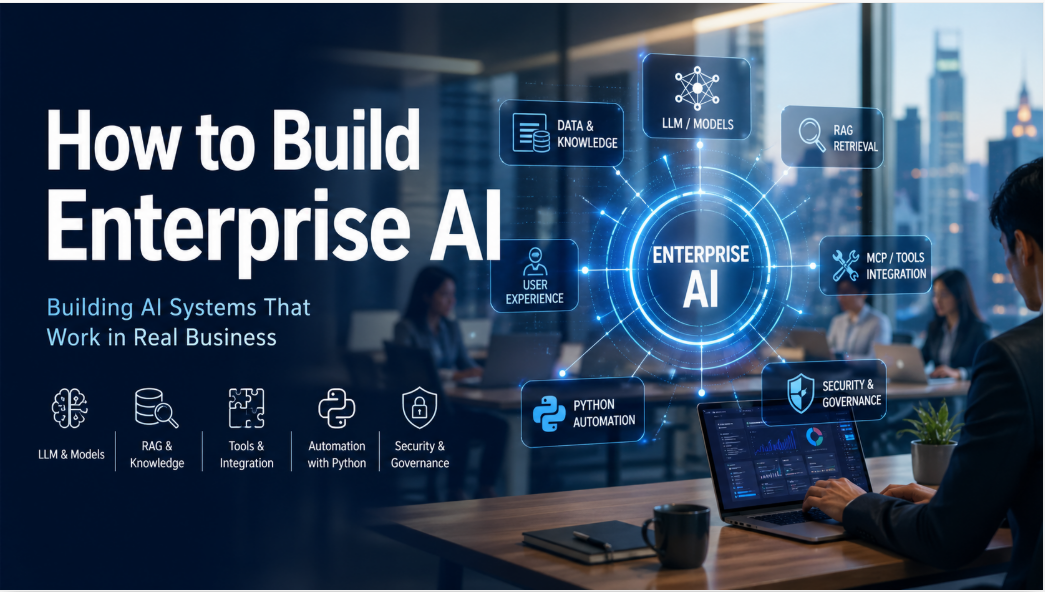
How Companies Create AI Systems That Actually Work in Business
As generative AI advances, more companies are asking the same question:
How do we build AI that works inside a real business environment?
Using a consumer chatbot alone is not enough.
Enterprises operate with confidential data, legacy systems, regulatory requirements, approval workflows, internal knowledge silos, and operational constraints.
That is why business AI must be designed not as a public chatbot, but as an Enterprise AI system.
This article explains the major approaches companies use to build practical internal AI systems—and why the future of AI in business is about integration, not just models.

What Is Enterprise AI?
Enterprise AI refers to AI systems built for internal corporate use cases such as:
- Knowledge search across company documents
- Sales enablement assistants
- Customer support automation
- Contract review tools
- Technical documentation copilots
- Report generation
- Data analysis assistants
- Workflow automation agents
The defining feature is simple:
Enterprise AI connects AI models with enterprise data, business processes, and governance requirements.
The Main Ways to Build Enterprise AI
Most enterprise systems are not built with a single technology.
They combine several layers.
1. LLM API-Based Systems
The fastest route is using external APIs from providers such as OpenAI, Anthropic, Google, Microsoft, and Amazon.
Best For
- Writing and summarization
- Translation
- Internal chat assistants
- Coding copilots
- Research support
Advantages
- Fast deployment
- Access to state-of-the-art models
- No need to manage GPUs
Challenges
- API costs
- Data governance concerns
- Vendor dependency
For many companies, this is the ideal starting point.
2. Local LLM / On-Premise Deployment
Some organizations run models in private environments using open-weight models such as:
- Meta Llama family
- Mistral AI models
- Alibaba Qwen family
Best For
- Finance
- Manufacturing
- Healthcare
- Government
- High-security enterprises
Advantages
- Greater data control
- Private deployment options
- Custom optimization
Challenges
- GPU infrastructure cost
- Operations burden
- Model quality validation
3. Model Distillation
Distillation transfers capabilities from large frontier models into smaller, cheaper models optimized for specific tasks.
Best For
- Ticket classification
- Internal routing systems
- Document tagging
- Domain-specific assistants
- Standardized writing tasks
Advantages
- Lower inference cost
- Faster latency
- Easier scaling
For repetitive enterprise workflows, this can be highly effective.
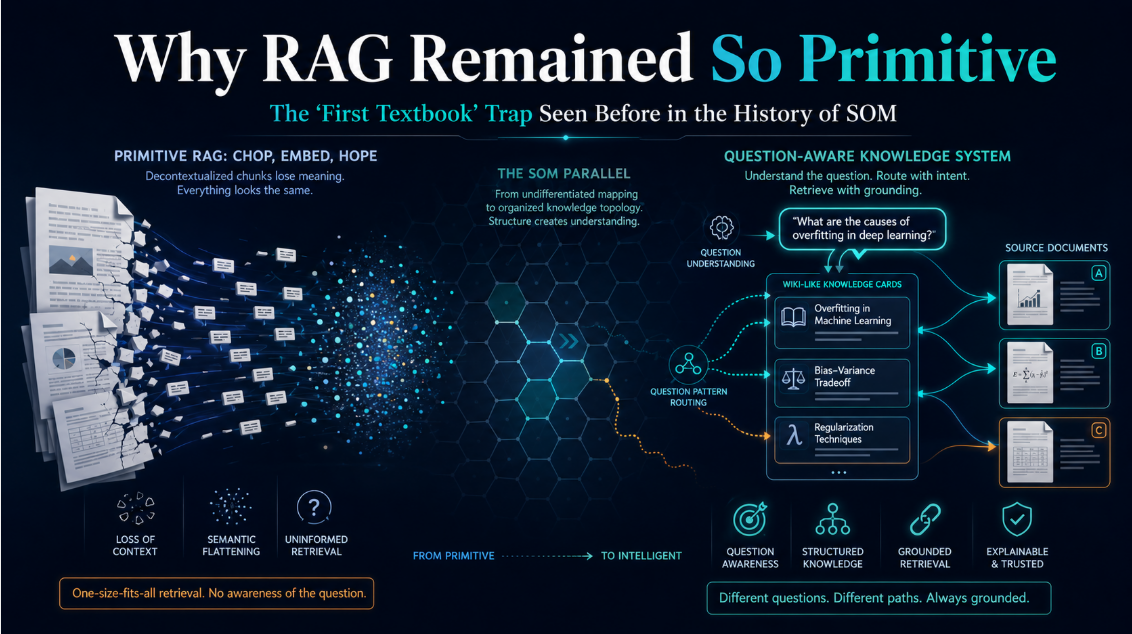
4. RAG (Retrieval-Augmented Generation)
RAG is one of the most important technologies in Enterprise AI today.
Instead of relying only on model memory, AI retrieves company knowledge in real time.
Common Sources
- SharePoint
- Google Drive
- Wikis
- Policies
- Contracts
- Meeting notes
- CRM systems
- ERP platforms
Why It Matters
- Reduces hallucinations
- Uses current information
- Unlocks enterprise knowledge

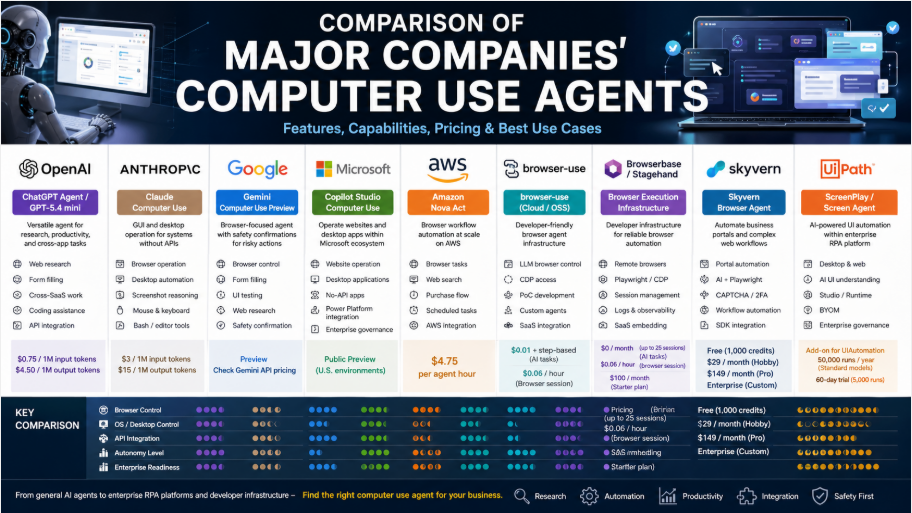
5. MCP and Tool Integration
Model Context Protocol (MCP) and related architectures are gaining attention as ways to connect AI systems to real tools.
Examples
- Database queries
- CRM updates
- GitHub actions
- Slack workflows
- Google Drive access
- Internal APIs
Why It Matters
AI moves from answering questions to doing work.
This is a major shift.
6. Python and Operational Automation
LLMs alone do not execute business logic reliably.
That is why many enterprise systems pair AI with Python automation.
Examples
- Excel processing
- Forecasting models
- Analytics pipelines
- Report generation
- Charts and dashboards
- Web data collection
- Scheduled tasks
This turns AI into a practical worker rather than a conversational layer.
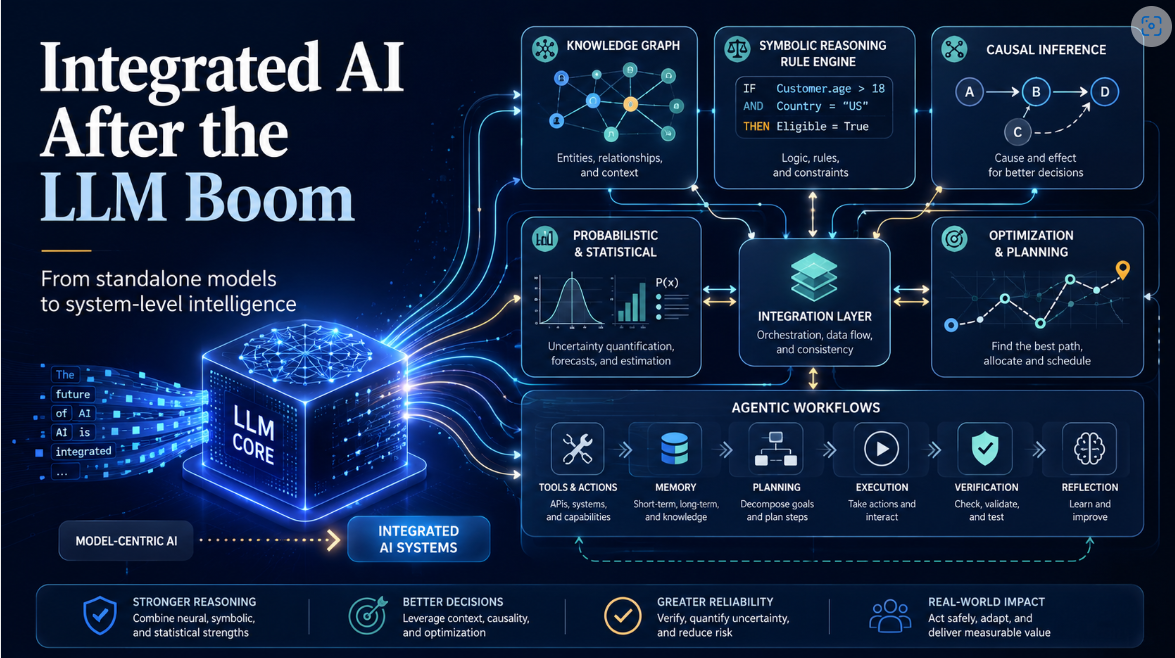
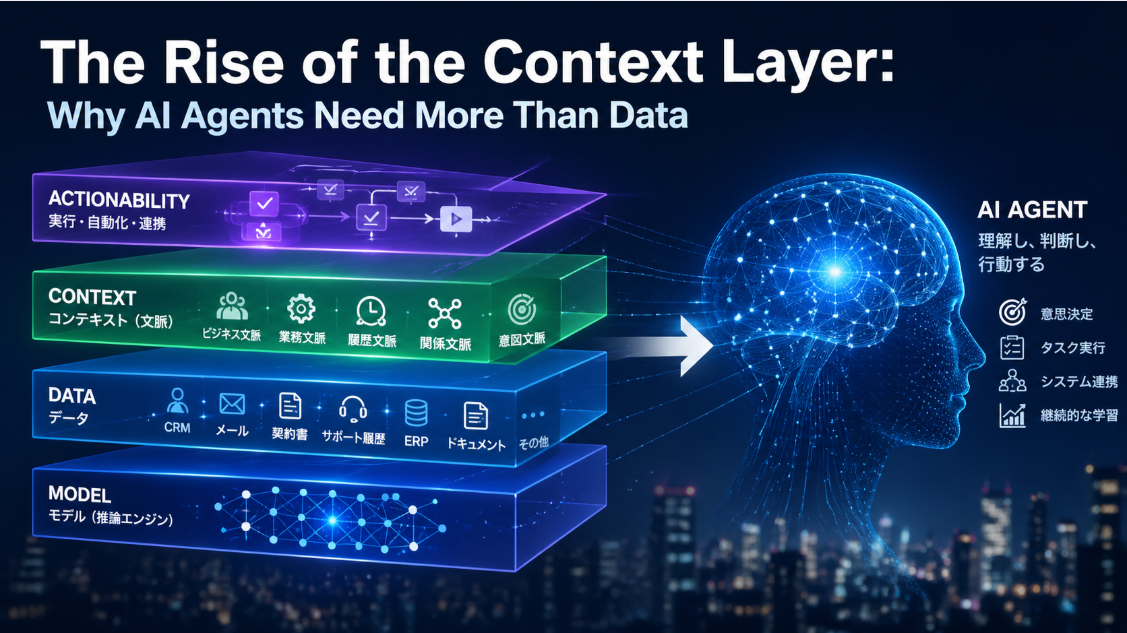
Real Enterprise AI Is a Stack
In practice, companies build systems like this:
User Interface (Chat / Dashboard / App)
↓
Orchestration Layer
↓
LLM API or Local Model
↓
RAG Knowledge Layer
↓
MCP / Python / Tool Connections
↓
Existing Business Systems
↓
Security / Governance / Monitoring
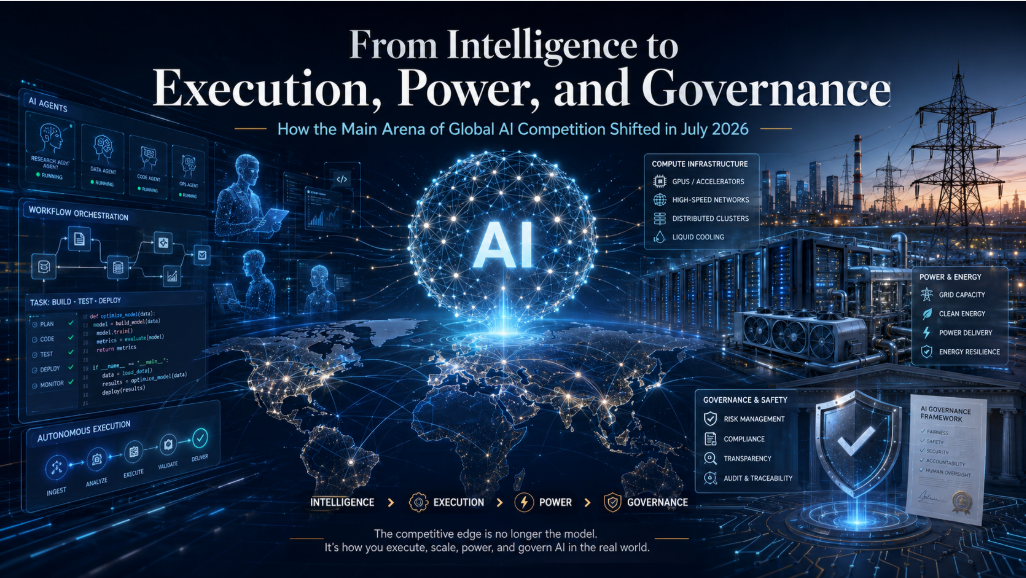
AI models are only one layer of the stack.
What the Next Generation of Enterprise AI Needs
Many firms are moving beyond simple chatbot pilots.
They now need:
- Cross-department knowledge access
- Better decision support
- Workflow execution
- Persistent memory
- Secure deployment
- ROI measurement
- Continuous improvement
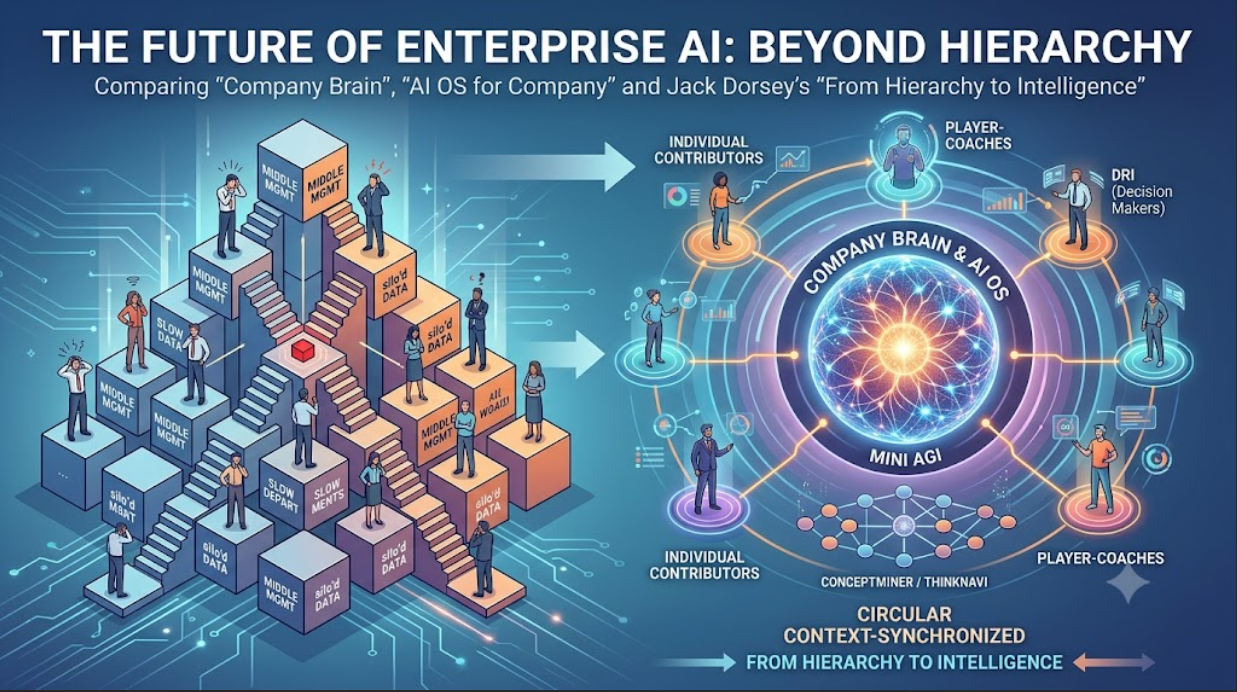
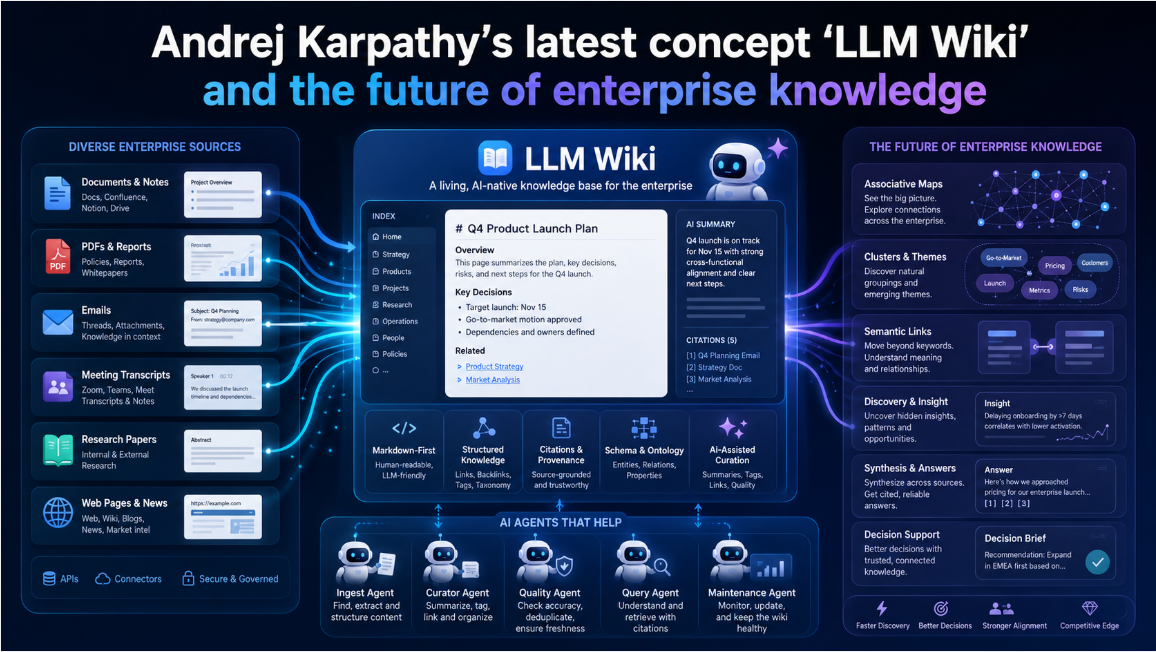
Beyond Search: Structured Corporate Intelligence
The next frontier is not just answering questions.
It is helping organizations understand their own knowledge structure.
That means:
- Mapping internal expertise
- Discovering hidden opportunities
- Detecting strategic blind spots
- Organizing fragmented information
- Accelerating innovation
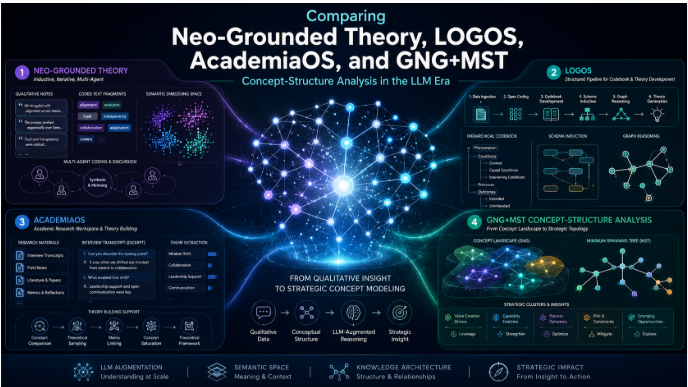
This is where newer approaches such as conceptual network modeling may become valuable.
Final Thought
Enterprise AI is not about adding a chatbot to a website.
It is about integrating:
- LLMs
- RAG
- Local AI infrastructure
- Distilled task models
- Tool connectivity
- Automation
- Governance
- Corporate knowledge systems
The real competitive advantage will not come from choosing the “best model.”
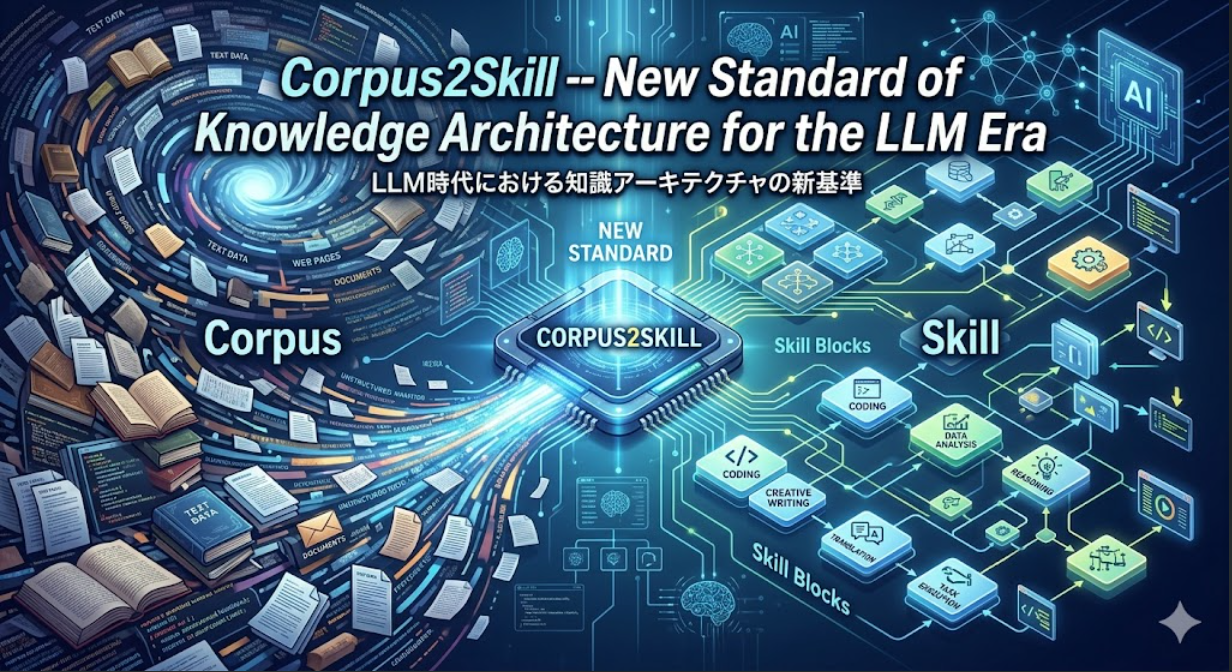
It will come from how well a company turns its own knowledge, workflows, and decisions into AI-powered systems.
 tada@aicritique.org
 ChatGPT