
 Gemini
1. Introduction: The Complete Shift of Paradigms
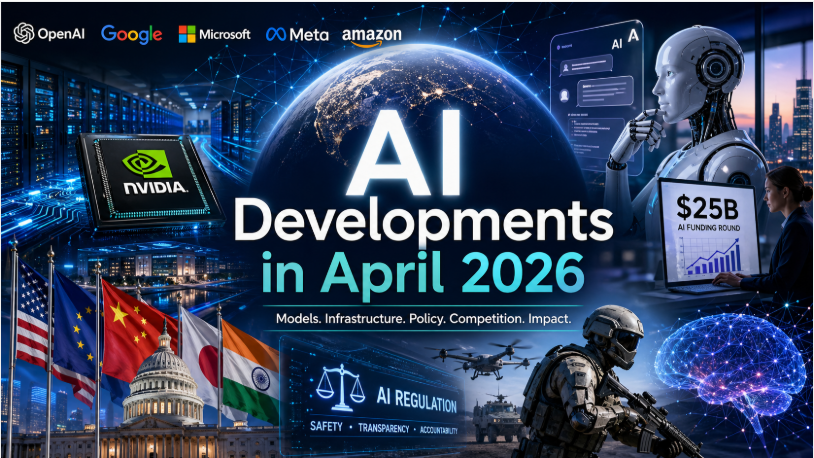
As of late May 2026, the global artificial intelligence (AI) development landscape has reached a historic turning point. The era of the “conversational AI assistant (chatbot)” that has dominated the market is practically coming to an end, replaced by a decisive shift toward “Autonomous AI Agents (Agentic AI)” that think in the background and execute complex, long-horizon tasks without waiting for constant user prompts.
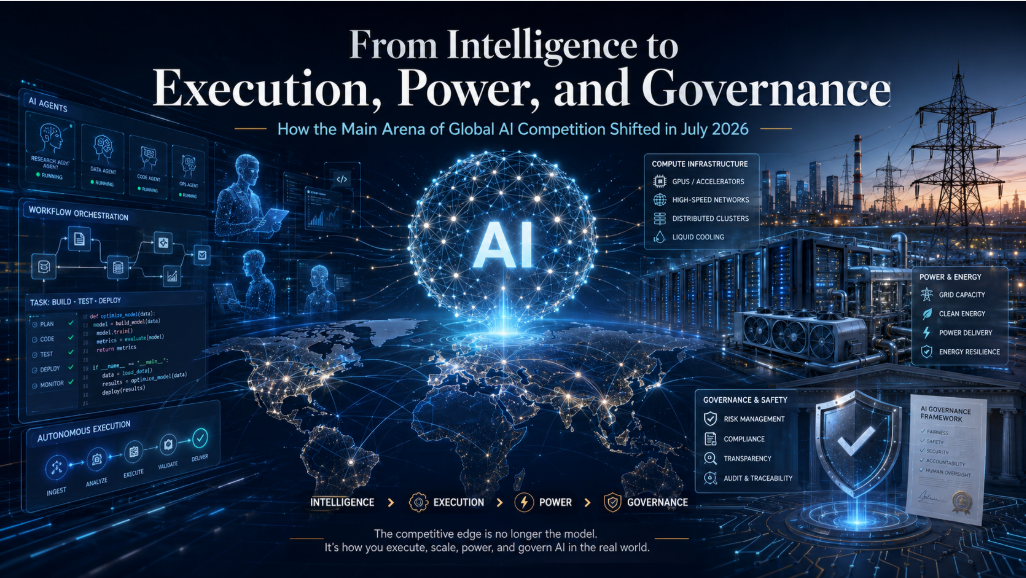
This paradigm shift is symbolized by radical changes in development philosophies seen at premier tech events, such as the recently concluded Google I/O 2026 and the upcoming Microsoft Build 2026. As Microsoft CEO Satya Nadella pointed out, the technology industry is pivoting from “synchronous assistants” that aid users in single-turn text interactions to “asynchronous coworkers (digital employees)” that quietly execute complex business processes behind the scenes. The era of simply competing on “smarter models” has passed. Today’s primary battleground is how deeply AI can embed itself into real-world business and digital life processes to deliver autonomous value 24/7.
2. Topic 1: Autonomous AI Agents (AI Agent) Commercialization
The most critical and inevitable trend in 2026 is that AI has rapidly progressed to the commercialization phase of “agents that autonomously propose and execute” rather than “assistants that wait for commands”.
Google’s latest “Gemini Spark” is a prime example of this evolution. Unlike traditional chat tools, Spark runs on dedicated virtual machines in the cloud, allowing it to work continuously as a personal AI agent even when the user’s phone is locked or laptop is completely powered off. It is natively integrated into Google Workspace (Gmail, Docs, Calendar, etc.), eliminating the complex setups, folder mappings, or configuration files typical of third-party tools, and operates with a full understanding of the user’s daily context. For instance, it can track apartment listings or product price drops in the background and alert the user when parameters change.
With autonomous action comes safety. Google has built the “Agent Payments Protocol” safety framework. While Spark can handle bookings or purchases (such as Uber or OpenTable), it cannot spend money independently; it strictly requires explicit user approval before any transaction is finalized.
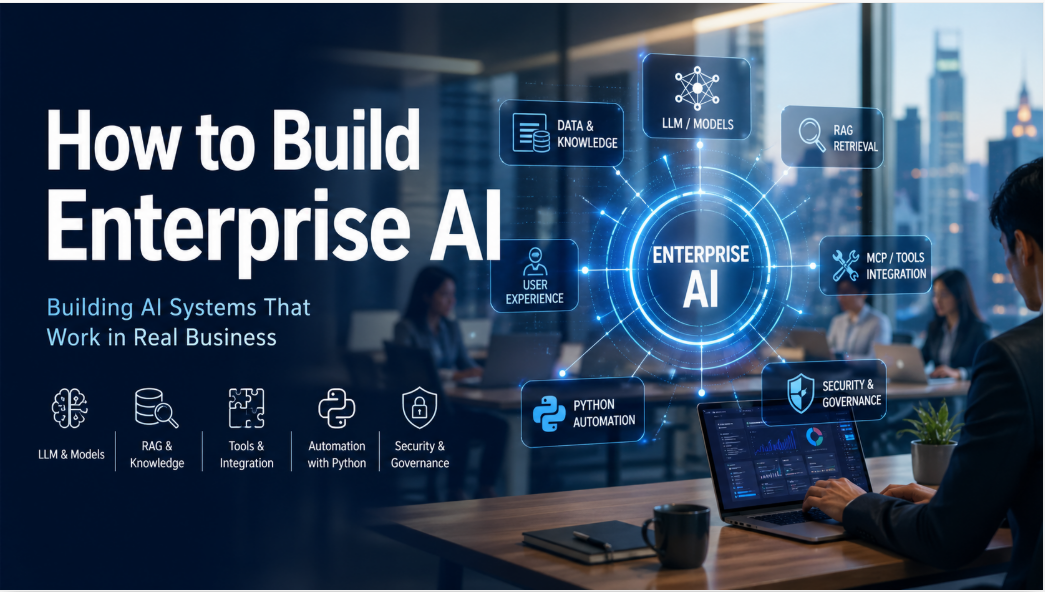
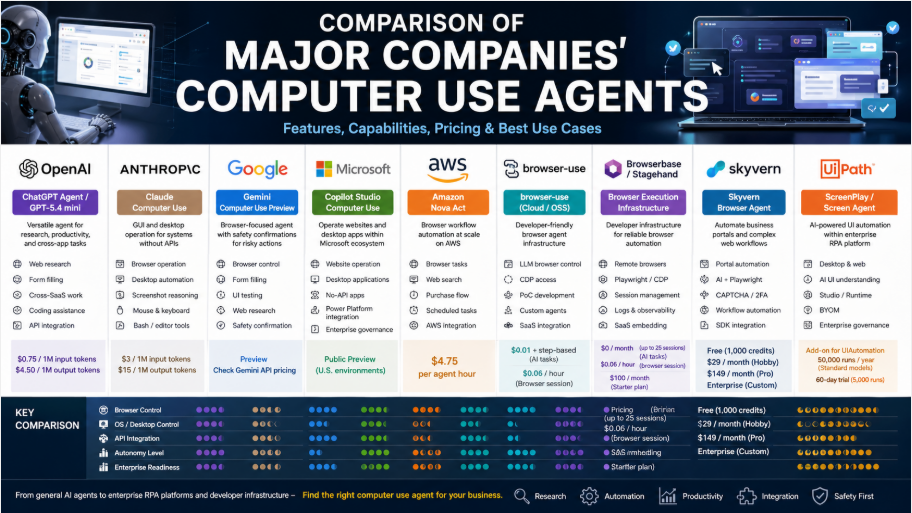
In response, Microsoft has enabled “Agent Mode” by default across several Office 365 Copilot products (including Word, Excel, and PowerPoint) to transform them into asynchronous, long-running workspaces. Supporting this is “Microsoft Copilot Studio (2026 Release Wave 1),” which features “generative actions” to dynamically combine enterprise knowledge and plugins, allowing IT departments to build multi-agent processes under robust governance at enterprise scale.
Furthermore, work management giant Asana acquired “StackAI,” a no-code AI workflow platform, for approximately $75 million on May 28, 2026. While traditional project management tools acted merely as “coordination layers” where humans moved tasks, StackAI allows companies to connect AI agents directly to core systems (ERP, CRM, and ITSM) like Salesforce, Oracle, and AWS. This acquisition enables Asana to reposition itself as “the operating system for human-agent teams”.
3. Topic 2: Extreme Multimodal Evolution and “Live” Experiences
The second technical pillar is the extreme multimodal experience, treating text, audio, and video as a single unified processing canvas to enable real-time, “live” inputs and outputs.
Google’s “Gemini Omni” represents a paradigm shift, acting as a “world model” capable of simulating and reasoning about physical reality. Instead of merely translating text prompts into isolated pixels, Omni simulates physical laws like kinetic energy, fluid dynamics, gravity, and structural weight to generate highly realistic behaviors.
In the creative domain, the biggest breakthrough is conversational video editing and “remixing”. Users can converse with the model to adjust camera angles, lighting, remove elements, or fix lip-sync drift in real-time while maintaining visual consistency across the scene. For safety, all generated videos are automatically watermarked using Google’s SynthID technology.
From a UI standpoint, a new design language called “Neural Expressive” has been introduced, featuring fluid animations, vibrant colors, and haptic feedback to enhance conversational intimacy. This feeds into “on-demand UI/UX,” where searching a query builds a custom interactive widget on the fly rather than just returning a list of links.
Moreover, in partnership with Samsung, fashion-forward smart glasses like “Android XR” (developed with partners like Gentle Monster and Warby Parker) will debut this fall, allowing users to experience live translation, ambient recognition, and calendar updates on the go without pulling out a phone.
4. Topic 3: Real-World Business Integration and New Functions
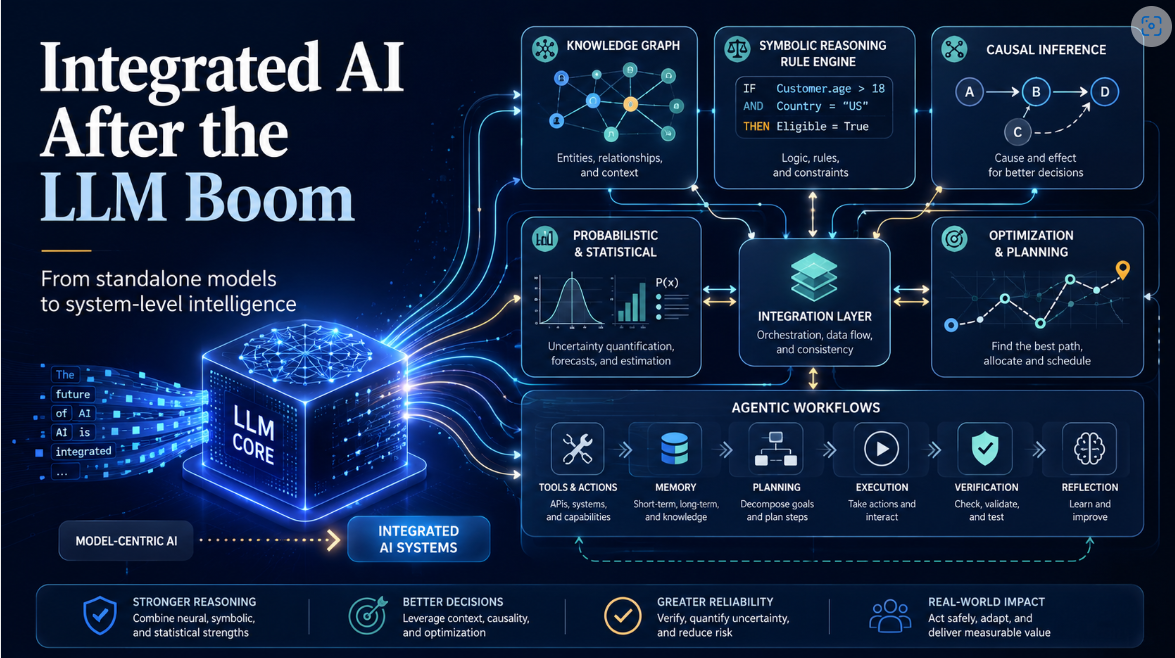
AI implementation is no longer just flash; it is fully integrated into daily enterprise workflows as reliable, high-performance features.
A prime example is the “Daily Brief” feature. Every morning, the agent scans calendar invites, emails, and documents, presenting a highly personalized, structured digest of the most critical items and recommended next steps for the day.
In IT operations, the complexity of multi-cloud and containerized workloads has led to a massive surge in alert noise, driving the rapid adoption of “AIOps (AI for IT Operations)”. AIOps platforms proactively analyze historical and real-time telemetry data to predict resource bottlenecks and detect anomalies before they impact end-users.
In generative AI deployments, where agentic workflows are probabilistic and behavior depends on prompts, conventional system monitoring isn’t enough. Portkey and other enterprise platforms provide specialized LLM observability (OTEL-compliant tracing of prompt-response lifecycles), real-time safety guardrails (50+ checks to prevent prompt injections), automated model fallbacks, and cost control to secure critical production pipelines.
Additionally, software development has been revolutionized by “Vibe Coding”—using natural language as the primary interface to write, test, and host software. Tools like Lovable, Bolt, Replit, Cursor, Claude Code, and Gemini CLI enable creators with no programming background to build full-stack web applications in minutes. Google AI Studio now supports native Kotlin vibe coding for Android apps, offering automatic migration tools to convert iOS or React Native code into native Kotlin within hours. Simultaneously, Chrome 149 is trialing “WebMCP,” an open web standard designed to allow browser-based agents to execute structured browser actions with high precision.
However, this shift also triggers social concerns, including the deskilling of junior developers, loss of “cognitive sovereignty” from outsourcing decisions, and corporate layoffs justified by AI efficiencies.
5. Topic 4: Big Tech Landscape and Governance Challenges
At the bleeding edge of AI, competitive positioning amongst tech giants is moving hand-in-hand with regulatory adherence and corporate risk mitigation.
Competitive Model Landscape
As of May 2026, the positioning of frontier commercial and open-weight models is outlined in the comparison table below:
| Model Name | Developer | Distribution Type | Max Context Window | Key Technical Strengths & Features |
| GPT-5.5 | OpenAI | Commercial API / ChatGPT | 1M tokens | Pinnacle of complex reasoning & coding. Response style optimized for natural, readable, and less bullet-heavy delivery |
| Gemini 3.5 Flash | Commercial API / Search AI Mode | 2M tokens | Lightning-fast token generation. Specialized in multi-step tool use, coding, and autonomous planning | |
| Llama 4 Maverick | Meta | Open-weight | 1M tokens | Mixture-of-Experts (MoE) architecture. 400B total parameters with only ~17B active parameters per forward pass, balancing quality and efficiency |
| Llama 4 Scout | Meta | Open-weight | 10M tokens | 109B total MoE (17B active). Specialized in ultra-long-context retrieval (RAG) and document scans |
OpenAI transitioned ChatGPT users to the GPT-5.5 generation, sunsetting older models (including GPT-4o, GPT-4.1, and the older GPT-5) in early 2026 to optimize computing efficiency. Additionally, OpenAI announced the sunset of OpenAI o3 and GPT-4.5 by mid-2026.
Meanwhile, Meta’s Llama 4 family represents a massive shift to MoE. Utilizing “iRoPE” (Interleaved RoPE), Scout extends the context window to a record 10M tokens, allowing massive codebases or complete document libraries to be loaded directly without complex chunking or retrieval pipelines. Due to their MoE design, these models offer remarkable throughput (e.g., running at 394 to 840 TPS on Groq’s LPU hardware).
EU AI Act and Deepfakes
However, regulatory scrutiny is intensifying. The European Union AI Act, set to be fully applicable in August 2026, places strict compliance burdens on developers and deployers.
| Role Category | Definition | Key Obligations | Penalties and Impact |
| System Provider (Developer) | Organizations that develop or place AI systems on the EU market under their name (e.g., OpenAI, Google, Meta) | • Publish public summaries of training datasets • Respect and check copyright opt-outs • Ensure machine-readable marking and detectability (e.g., SynthID) | Up to €10 million or 2% of annual global turnover for non-compliance. Market exclusion of non-conforming models. |
| Deployer (Enterprise User) | Organizations, entrepreneurs, or consultants using AI as part of professional activities | • Disclose synthetic/manipulated content (lawful deepfakes) • Display clear icons and disclaimers at the latest at the first point of user exposure | Risks of injunctions, reputational damage, or targeted investigations (e.g., French probe into non-consensual deepfakes on Grok/X). |
Because of these compliance complexities, Meta’s multimodal features in Llama 4 are currently legally restricted for EU residents, demonstrating a growing regional divergence in AI availability. France and other member states have also targeted platforms for failing to regulate non-consensual deepfake generation.
6. Conclusion: Prescriptions for the Autonomous AI Era
As we enter the latter half of 2026, individuals and businesses must prepare for a landscape where autonomous agents govern the back-end ecosystem. The path forward demands three core pillars of readiness:
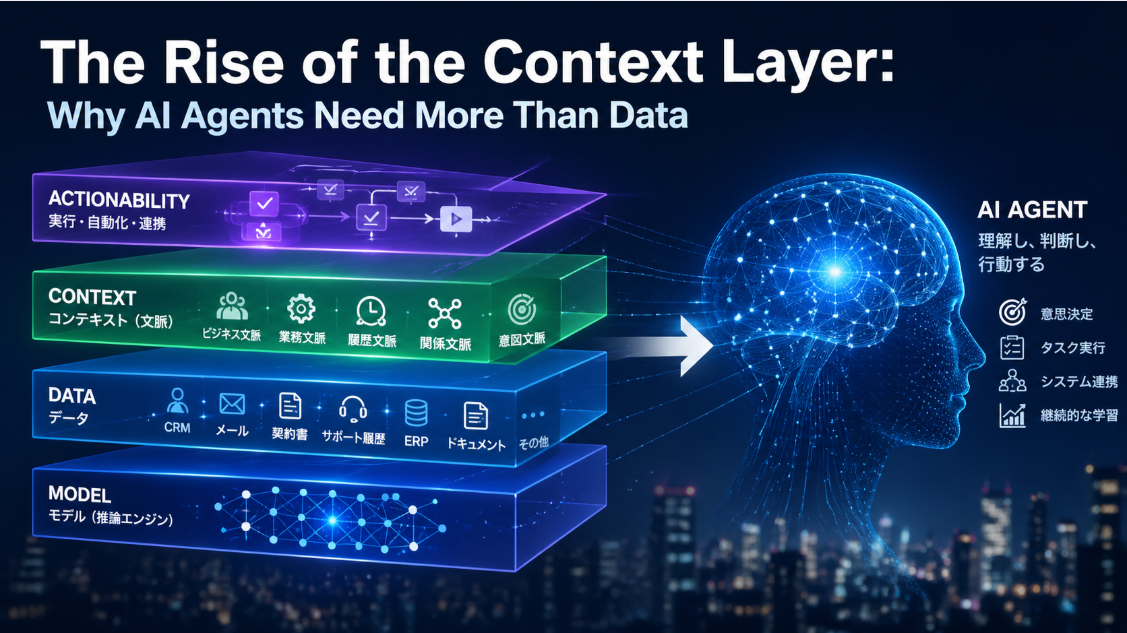
- Data Foundation Readiness: Agents carry out actions autonomously; if input data is flawed, agents will execute massive incorrect transactions in seconds. Only 43% of enterprises report that their data is AI-ready. Organizations must prioritize data lineage, clean unified architectures, and auditability over flashy model adoption.
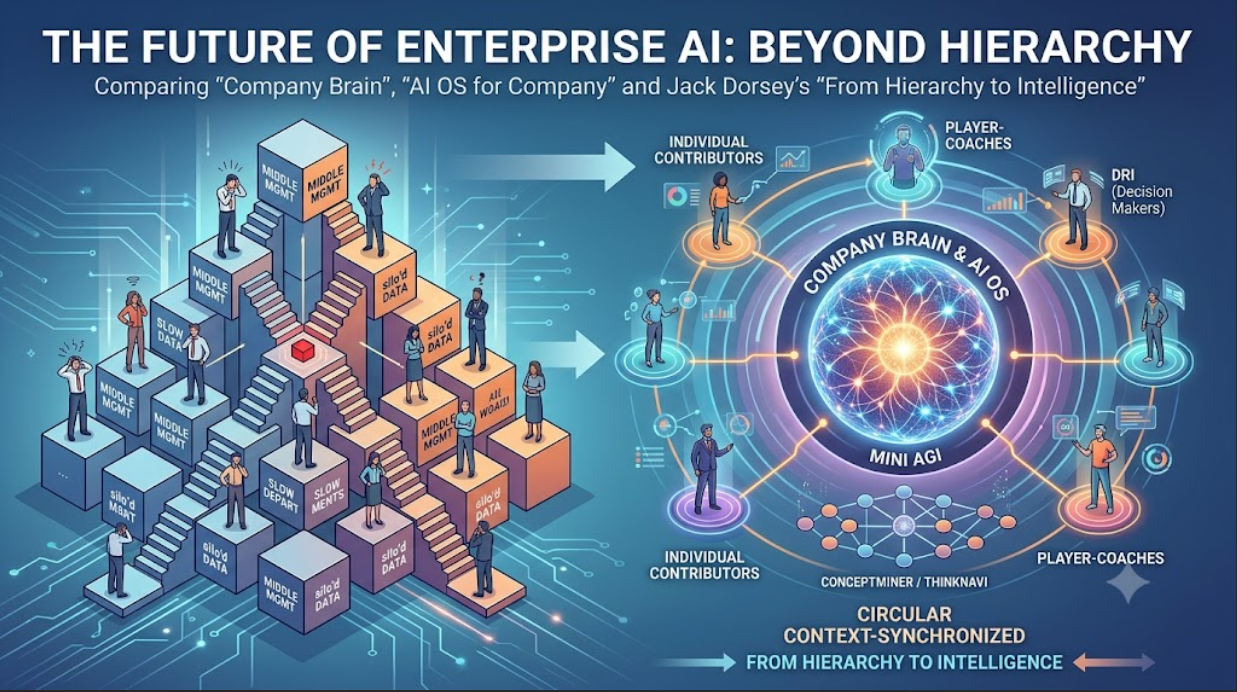
- Human-Agent Collaboration & Orchestration: Asana’s acquisition of StackAI highlights that value lies in the “orchestration layer” — connecting human workflows with background agents. Enterprise leaders must map out robust governance and define which actions require a strict “Human-in-the-loop” review.
- Safety-by-Design Compliance: The impending EU AI Act mandates a shift toward safety-by-design, including auditable training pipelines, machine-readable watermarks, and input-output guardrails. 1 Adopting these as structural design elements, rather than late retrofits, is vital for long-term viability. 1
 ChatGPT