
 Video To Blog
In this blog, we delve into the transformative potential of Anthropic’s Model Context Protocol (MCP), a groundbreaking framework designed to standardize communication between large language models and their surrounding environments. Join us as we explore the reasons behind its acclaim as the industry standard for agent protocols and what this means for the future of AI.
Introduction to MCP and Its Purpose
The Model Context Protocol (MCP) is a pioneering framework that aims to revolutionize how artificial intelligence systems interact with their environments. By standardizing communication between large language models (LLMs) and external systems, MCP allows for a seamless integration of AI applications into various business processes. This protocol facilitates data retrieval, memory usage, and the effective deployment of tools, ensuring that AI systems can operate efficiently across diverse contexts.
At its core, MCP is designed to enhance the flexibility and functionality of AI interactions. It enables LLMs to access and manipulate data from various sources, thereby expanding their operational capabilities. This dynamic approach not only improves the efficiency of AI systems but also empowers developers to create more sophisticated applications that can adapt to changing user requirements.
MCP Declared as the Industry Standard by Latent Space
Recently, Latent Space made a bold declaration: MCP is now the industry standard for AI agent protocols. This proclamation is significant, as it reflects a growing consensus among experts that MCP offers unparalleled advantages in the realm of AI development. By establishing a common framework for agent communication, MCP is poised to become the backbone of future AI innovations.
The endorsement from Latent Space is a testament to MCP’s robust design and its potential for widespread adoption. As more developers and organizations begin to explore the capabilities of MCP, the protocol is expected to gain traction, leading to a collaborative ecosystem where AI agents can interact seamlessly. This evolution marks a pivotal moment in the AI landscape, positioning MCP as a critical component in the advancement of intelligent systems.
Key Success Factors of MCP: Old Ideas Made AI Native
One of the key success factors behind MCP is its ability to integrate established concepts into a framework that is inherently designed for AI. By leveraging existing protocols like OpenAPI and GraphQL, MCP provides a familiar environment for developers while enhancing these ideas with AI-native features. This synthesis of old and new not only streamlines the development process but also ensures that MCP remains relevant in a rapidly evolving technological landscape.
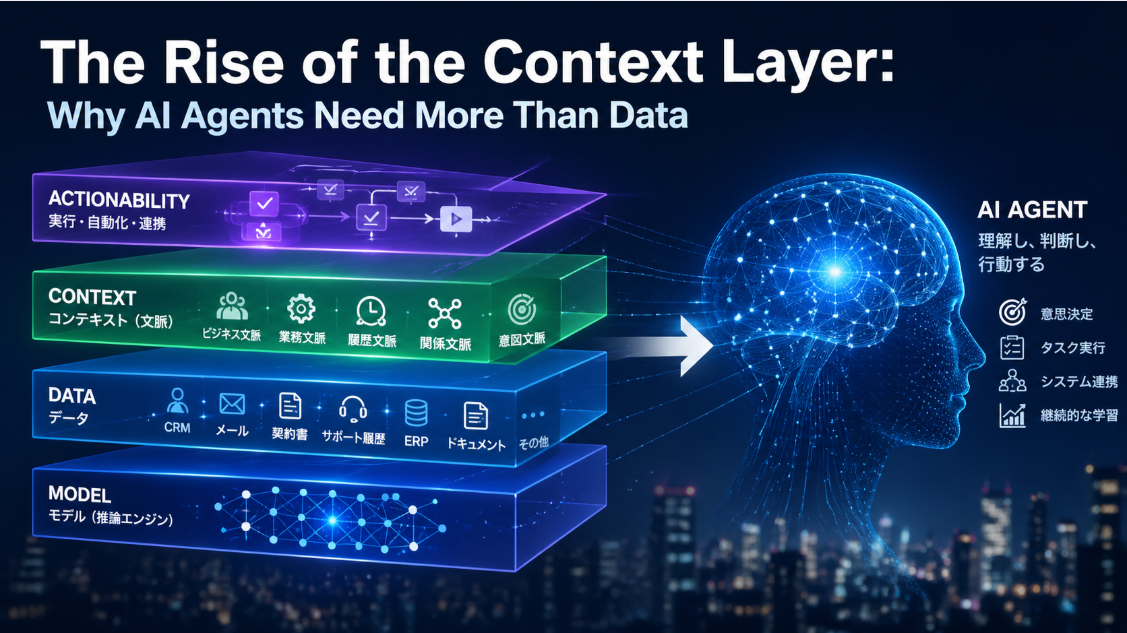
Moreover, MCP prioritizes context access, allowing AI agents to interact with their surroundings more effectively. This focus on contextual awareness is essential for agents tasked with executing complex operations that require a nuanced understanding of their environment. By enabling AI systems to access and utilize contextual information dynamically, MCP paves the way for more intelligent and responsive applications.
- Integration of Existing Protocols: MCP builds upon established communication standards, making it easier for developers to transition to AI-driven applications.
- Contextual Awareness: By emphasizing context access, MCP ensures that AI agents can operate effectively in diverse situations.
- Flexibility and Adaptability: MCP is designed to accommodate a wide range of applications, enabling developers to create customized solutions that meet specific needs.
Key Success Factors of MCP: Backed by Major Corporations
The backing of major corporations is another critical factor contributing to the success of MCP. With substantial financial resources and technological expertise, these organizations provide the necessary support to drive the development and adoption of MCP. This backing not only enhances the credibility of the protocol but also offers developers a sense of security when choosing to implement MCP in their projects.
Furthermore, the collaboration between Anthropic and prominent tech companies fosters an environment of innovation. As these corporations invest in the MCP framework, they contribute valuable insights and enhancements, ensuring that the protocol evolves to meet the demands of the marketplace. This synergy between corporate support and community-driven development is a powerful catalyst for the widespread adoption of MCP.
In summary, the combination of established ideas, contextual awareness, and the backing of major corporations positions MCP as a formidable player in the AI landscape. As more developers embrace this protocol, the potential for creating transformative AI applications will only continue to grow.
Key Success Factors of MCP: Anthropic as the Leading AI Brand for Developers
Anthropic has emerged as a dominant force in the AI landscape, particularly through its commitment to creating a robust ecosystem for developers. One of the core reasons for this success is its emphasis on developer experience and the tools that facilitate seamless integration of AI technologies. By prioritizing the needs of developers, Anthropic has established itself as a trusted partner in the AI space.
The company’s dedication to providing a comprehensive suite of tools and resources has made it a go-to choice for those looking to harness the power of AI. This is evident in its continuous updates and enhancements to the MCP, which are designed to simplify the development process and enhance the overall utility of AI applications.
- Developer-Centric Approach: Anthropic places developers at the heart of its strategy, ensuring tools are intuitive and accessible.
- Comprehensive Tooling: With a wide array of integrated tools, developers can easily implement and adapt AI solutions to their specific needs.
- Community Engagement: By fostering an active developer community, Anthropic encourages collaboration and innovation, further solidifying its leadership position.
Key Success Factors of MCP: Built on Existing Protocols and LSP
Another significant factor contributing to the success of MCP is its foundation on existing protocols, including the Language Server Protocol (LSP). By leveraging these established frameworks, MCP not only ensures a smoother integration process but also enhances its reliability and performance. Developers can rely on the robustness of these protocols, allowing for a more seamless transition to AI-driven applications.
The use of LSP facilitates standardized communication between programming languages and development environments, which is crucial for developers looking to implement AI solutions across different platforms. This standardization minimizes the learning curve and accelerates adoption, making it easier for developers to integrate MCP into their workflows.
- Adoption of Established Standards: By utilizing existing protocols, MCP benefits from proven methodologies that enhance functionality.
- Interoperability: The compatibility with multiple programming languages and environments allows developers to work within their preferred ecosystems.
- Enhanced Performance: Built on a solid foundation, MCP can deliver improved performance and reliability, which are critical for developers aiming for excellence.
Key Success Factors of MCP: Continuous Improvement through Self-Development
Continuous improvement is a hallmark of successful technologies, and MCP exemplifies this principle through its iterative development approach. Anthropic’s commitment to self-development ensures that the protocol evolves in response to user feedback and changing market needs. This adaptability is crucial in the fast-paced world of AI, where requirements can shift rapidly.
By actively engaging with the developer community, Anthropic collects valuable insights that inform ongoing enhancements to MCP. This feedback loop not only drives innovation but also solidifies user trust, as developers see their needs being addressed and integrated into the protocol.
- Feedback-Driven Enhancements: Regular updates based on user input ensure that MCP remains relevant and effective.
- Agile Development Practices: The ability to quickly adapt to new challenges and opportunities is a significant advantage in the tech landscape.
- Commitment to Excellence: Anthropic’s focus on continuous improvement fosters a culture of innovation that benefits the entire ecosystem.
Key Success Factors of MCP: Starting Small and Developing Actively
Starting small and focusing on active development has been a strategic advantage for MCP. By launching with a streamlined set of features, Anthropic allowed developers to familiarize themselves with the protocol without being overwhelmed. This approach encourages early adopters to experiment and provide feedback, laying the groundwork for future enhancements.
As MCP gains traction, Anthropic is committed to gradually expanding its capabilities, ensuring that each new feature is thoughtfully integrated. This incremental development strategy not only mitigates risks but also promotes sustained engagement from the developer community, as users feel invested in the protocol’s evolution.
- Phased Feature Rollouts: Gradually introducing new features allows for more manageable adoption and integration.
- User-Centered Development: Early user feedback shapes the direction of future enhancements, creating a sense of ownership among developers.
- Sustained Engagement: Active development fosters a vibrant community that continuously contributes to the protocol’s growth and success.
OpenAI’s Counterattack: What Does It Mean for MCP?
OpenAI’s recent announcements have sent ripples through the AI industry, particularly regarding the Model Context Protocol (MCP). The introduction of new APIs, including the Response API, signifies a strategic move that could reshape competition in the landscape. This counterattack raises questions about how MCP will adapt and respond to these developments.
OpenAI’s Response API integrates capabilities that enhance user interaction with AI models. It allows for more sophisticated handling of tasks, merging functionalities that previously required separate systems. This shift could potentially overshadow MCP’s advantages if it fails to innovate and keep pace with OpenAI’s rapid advancements.
However, MCP’s unique position lies in its open-source nature and the community-driven development that supports it. As OpenAI moves towards a more proprietary model, MCP stands as a beacon of flexibility, allowing developers to customize and extend functionalities without the constraints of a corporate framework. This fundamental difference could attract developers who prioritize adaptability and community engagement over proprietary solutions.
The competition is heating up, and while OpenAI may have a first-mover advantage, MCP’s grassroots support and open standards may provide a solid foundation for long-term success. Developers are increasingly seeking tools that not only meet immediate needs but also allow for future growth and innovation. MCP’s focus on contextual awareness and seamless integration with various systems positions it well to capture this market.
The Impact of MCP on the AI Industry Landscape
The emergence of MCP is reshaping the AI industry landscape in profound ways. By establishing a standardized protocol for communication between AI agents and external systems, MCP is setting a new benchmark for how AI applications are developed and deployed.
One significant impact of MCP is its ability to democratize access to advanced AI capabilities. Developers, regardless of their organizational size, can leverage MCP to create sophisticated applications that were previously accessible only to large corporations with extensive resources. This democratization fosters innovation, as a wider pool of developers can contribute to the ecosystem and push the boundaries of what AI can achieve.
Moreover, the collaborative nature of MCP encourages a vibrant community of developers who share insights, tools, and best practices. This community-driven approach not only accelerates the development of new features but also enhances the robustness of the protocol itself. As more developers adopt MCP, the collective intelligence of the community will lead to continuous improvements and refinements, further solidifying its position as the industry standard.
Additionally, MCP’s focus on contextual awareness allows AI agents to operate more effectively in diverse environments. This adaptability is crucial for businesses looking to implement AI solutions that can handle complex tasks and respond dynamically to changing conditions. By enabling AI systems to access and utilize contextual information, MCP is paving the way for more intelligent and responsive applications.
As the competition with OpenAI intensifies, MCP’s ability to remain agile and responsive to developer needs will be critical. The protocol’s foundation on established communication standards not only enhances its reliability but also ensures that it can evolve in tandem with the rapidly changing technological landscape. This agility will be essential for maintaining relevance and fostering continued adoption in an increasingly competitive market.
In conclusion, MCP is not just a protocol; it’s a transformative force in the AI industry. By empowering developers, fostering community collaboration, and prioritizing contextual awareness, MCP is poised to redefine the future of AI applications. As the landscape evolves, the impact of MCP will likely be felt across various sectors, driving innovation and setting new standards for AI communication.

 ChatGPT