
 ChatGPT
1. Development Background and Purpose
Overview of Monica
Monica, the Chinese startup behind Manus, is an emerging AI company known for developing Monica.im. Its founder, Xiao Hong, is a graduate of Huazhong University of Science and Technology and a serial entrepreneur from the post-90s generation. In 2015, he founded Nightingale Technology, which developed corporate SNS operation support tools like “Yiban Assistant” and “Weiban Assistant”, serving over 2 million businesses. The company secured multi-million-dollar investments from Tencent and ZhenFund.
By 2022, Monica pivoted toward AI by launching “Monica”, a browser extension offering AI-driven functionalities such as conversation assistance, translation, content generation, and image creation. This AI assistant integrated multiple LLMs to provide a general-purpose AI tool. With over 10 million users, Monica became one of the leading AI productivity tools worldwide. In early 2024, ByteDance reportedly offered $30 million to acquire Monica, but the startup declined, believing its valuation was higher.
With this momentum, Monica continued its AI R&D efforts, leading to the launch of Manus, its next-generation AI agent.
Purpose of Developing Manus
Released in March 2025, Manus was introduced as the world’s first fully autonomous AI agent. The name “Manus” is derived from the Latin phrase “Mens et Manus” (Mind and Hand), also the motto of MIT, signifying the fusion of knowledge and action.
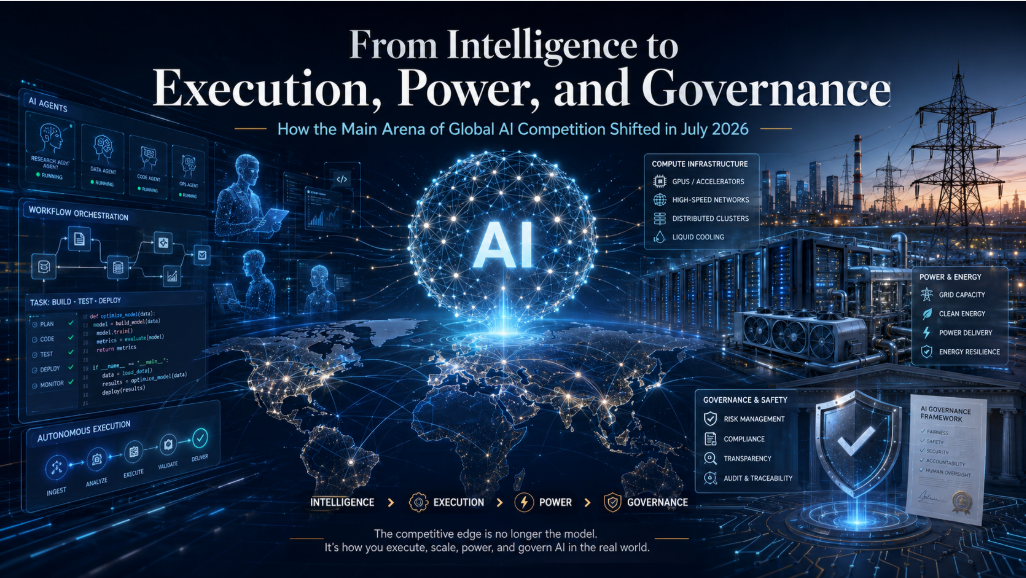
Manus aims to expand AI capabilities beyond dialogue-based assistance into action execution, allowing it to autonomously complete complex workflows. Unlike traditional AI chatbots, Manus can perform intricate tasks such as resume screening, stock market analysis, and website creation. The development team sees Manus as a major milestone, shifting AI from an advisory role to an executive AI agent that completes entire processes independently.
Its target market ranges from individuals seeking AI-driven productivity to enterprises automating knowledge-based workflows. According to Gartner, by 2028, 15% of daily decision-making tasks will be handled by AI agents, and Monica aims for Manus to be a leading force in this shift.
2. Technical Features and Capabilities
Core Technological Attributes and Fully Autonomous Execution
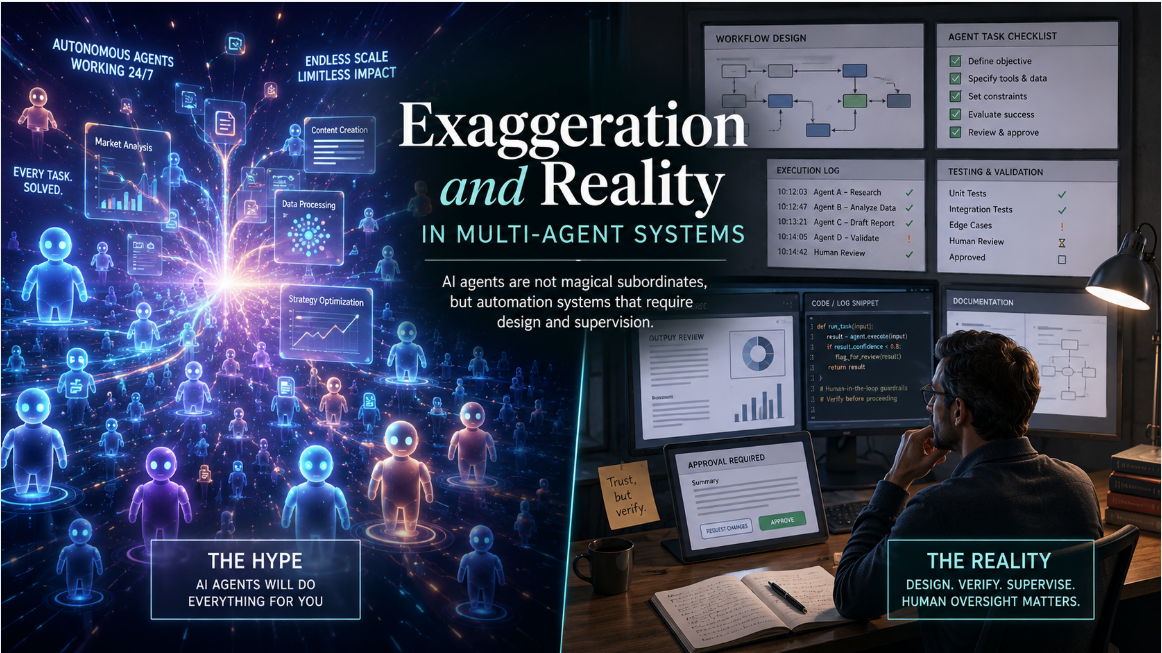
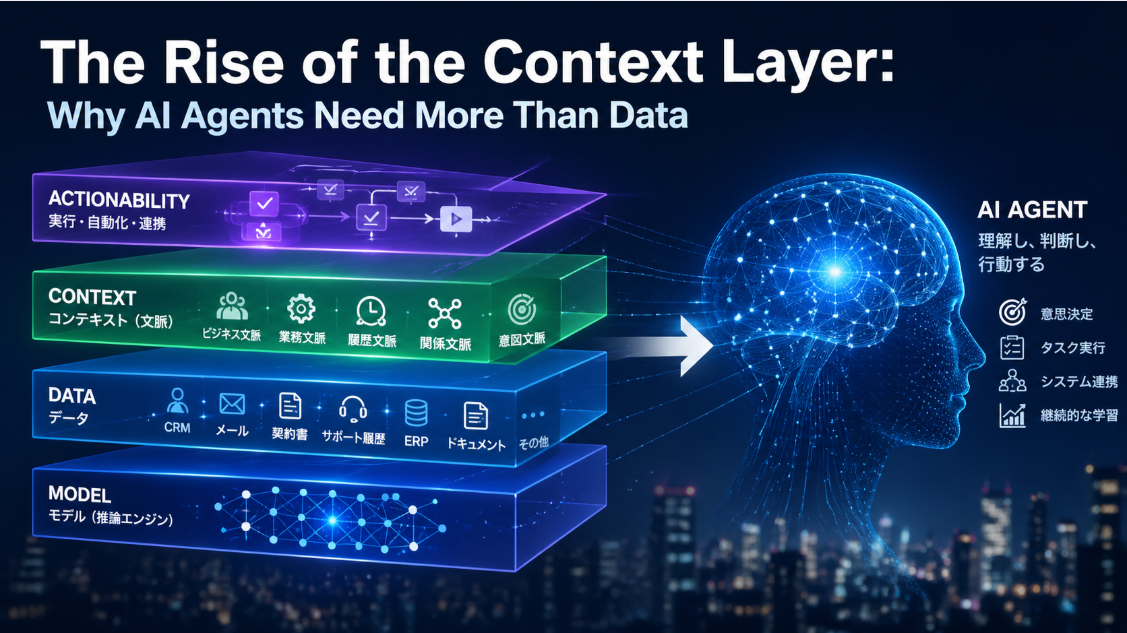
Manus introduces a multi-agent collaboration architecture that enables end-to-end autonomous task execution. Unlike existing AI assistants, which rely on user supervision, Manus follows a structured approach consisting of three core agents:
- Planning Agent: Interprets user instructions, breaks them down into tasks, and formulates an execution plan.
- Execution Agent: Carries out each step using external tools such as web browsers, code execution environments, and APIs.
- Verification Agent: Checks results, refines them if necessary, and ensures the final deliverable meets the user’s requirements.
This architecture allows Manus to function as a fully autonomous executor without requiring human intervention.
Technical Strengths of Manus
- Cloud-Based Virtual Execution and Asynchronous Processing: Tasks are executed in isolated virtual environments on the cloud, allowing users to disconnect while Manus continues processing in the background.
- Integration of 29+ External Tools: Manus can interact with web browsers, code editors, APIs, and computation tools, giving it a human-like ability to operate software autonomously.
- Persistent Memory and User Learning: The system remembers past user interactions and optimizes future responses based on historical data.
- Secure Sandboxing and Scalability: Each task runs in an independent sandbox, ensuring security and enabling dynamic scaling for large-scale workflows.
Specific Tasks Manus Can Perform
- Resume Screening: Automatically extracts key points from resumes, evaluates candidates, and generates ranked lists with summaries.
- Stock Market Analysis: Collects financial data, performs statistical computations, generates visualized reports, and publishes dashboards.
- Website Creation: Develops, deploys, and hosts fully functional websites and applications autonomously.
- Travel Planning: Aggregates tourism data and generates personalized itineraries.
- Educational Content Creation: Produces AI-generated explainer videos and interactive teaching materials.
- Business Data Analysis: Processes e-commerce sales data to generate strategic insights and visual reports.
AI Models Integrated in Manus
Manus operates using a multi-model framework, leveraging Claude 3.5 Sonnet by Anthropic for advanced reasoning and Qwen by Alibaba for Chinese-language tasks. The Steiner-32B model, developed by Monica’s CTO, is also integrated for planning and execution logic. This strategic combination of AI models allows Manus to optimize efficiency across diverse tasks.
3. Performance Evaluation
GAIA Benchmark Performance
Manus underwent evaluation using the GAIA benchmark, designed to measure real-world AI task completion capabilities. It achieved state-of-the-art (SOTA) results across all three difficulty levels, outperforming existing AI agents in multi-step reasoning, internet browsing, and computational tasks.
Comparison with OpenAI’s Deep Research Model
Manus is often compared with OpenAI’s Deep Research, an enterprise-grade AI agent. While both are designed for complex research tasks, Manus is reported to outperform Deep Research in cost-efficiency and broader functionality, especially in automation-intensive workflows.
4. Market Impact and Reception
Market Reactions
Manus’ release triggered a surge in Chinese AI stocks, with AI-related indexes rising over 6% within hours. Its official website experienced massive traffic spikes, briefly causing server downtime. Meanwhile, invite codes for Manus’ beta version were traded on Chinese e-commerce platforms for up to $10,000.
Privacy and Security Concerns
Due to its extensive data processing capabilities, concerns emerged about Manus’ handling of sensitive information. Monica responded by implementing multi-signature encryption and sandboxed execution environments to prevent data leaks. However, transparency remains a key issue, and experts suggest further governance measures.
5. Future Prospects and Challenges
Impact on the AI Industry and China-U.S. AI Competition
Manus marks a significant step in China’s AI innovation leadership, demonstrating competitive strength against U.S. AI firms like OpenAI. While OpenAI is focusing on high-end enterprise AI services, Monica is targeting scalable, cost-effective AI automation, which could fuel rapid adoption.
Ethical and Societal Challenges
- Job Displacement: As Manus automates white-collar jobs, concerns over human employment displacement arise.
- Data Privacy and Security: Ensuring transparent data handling remains a critical challenge.
- AI Misuse Risks: With capabilities like autonomous web operations, safeguards are necessary to prevent unethical use.
Experts recommend policy frameworks and governance standards to ensure safe AI agent development. Monica’s team emphasizes that Manus is meant to augment, not replace, human decision-making.
Conclusion
Manus represents a paradigm shift from AI as an advisory tool to an autonomous action executor. While its capabilities demonstrate groundbreaking potential, privacy concerns, ethical considerations, and regulatory challenges must be addressed to ensure responsible AI integration into society. With AI agent technology gaining momentum, Manus has set a new benchmark, shaping the next phase of AI evolution.
 tada@aicritique.org