
 tada@aicritique.org
— Generative AI Is Moving into the Core of Organizations
Generative AI has evolved at an astonishing pace over the past few years. Writing, summarization, translation, planning support, and programming assistance have reached a level that is already more than sufficient for most individual users. In everyday life and personal work, model capability itself is no longer the bottleneck.
Yet this does not mean the momentum around AI is fading. On the contrary, the focus is becoming clearer.
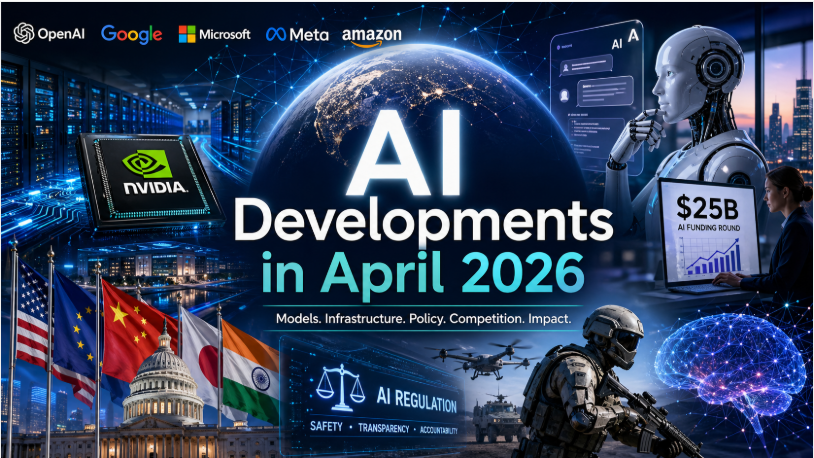
From 2026 onward, AI will enter a phase where its center of gravity shifts decisively toward enterprises.
Consumer AI Has Entered a Phase of “Excess Capability”
Today’s AI chat services clearly exceed what most individuals can fully utilize. Even if models continue to improve, the perceived value for everyday users does not increase proportionally.
There are structural reasons for this:
- The volume of daily tasks is limited, so higher AI performance does not automatically translate into greater usage.
- Personal workflows are fragmented across many apps and services; without deep integration, productivity gains remain incremental.
- The more AI is used for important decisions, the more issues of trust, accountability, and explanation come to the forefront.
In short, consumer AI has entered a phase where “being smarter” alone is no longer enough to sustain growth. By contrast, these constraints barely apply in the enterprise domain.
Enterprises Are Demanding “Operations,” Not Just Performance
What companies seek from AI is not raw intelligence.
They demand operability, controllability, and accountability.
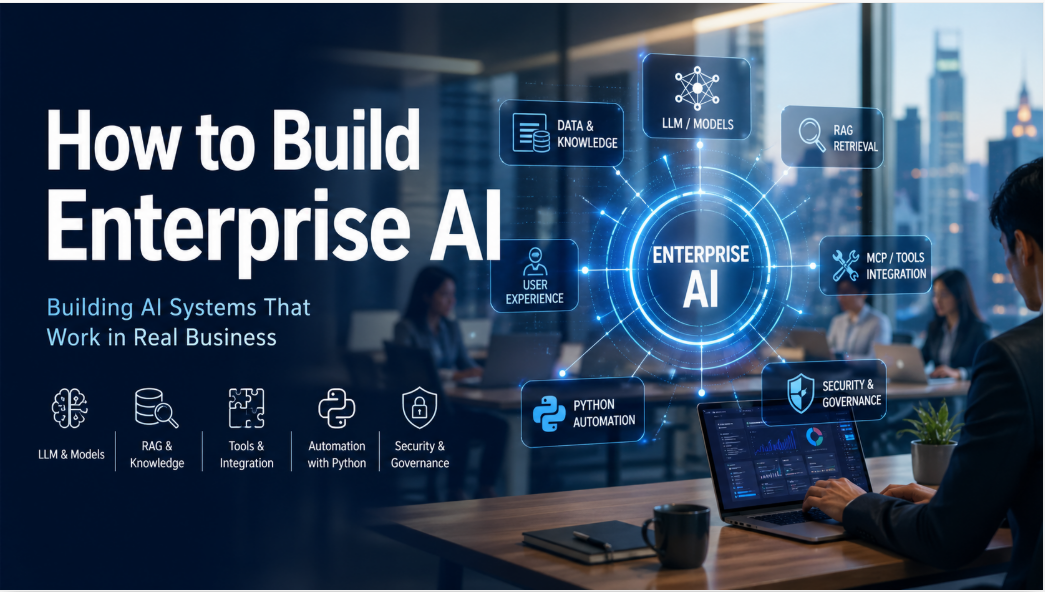
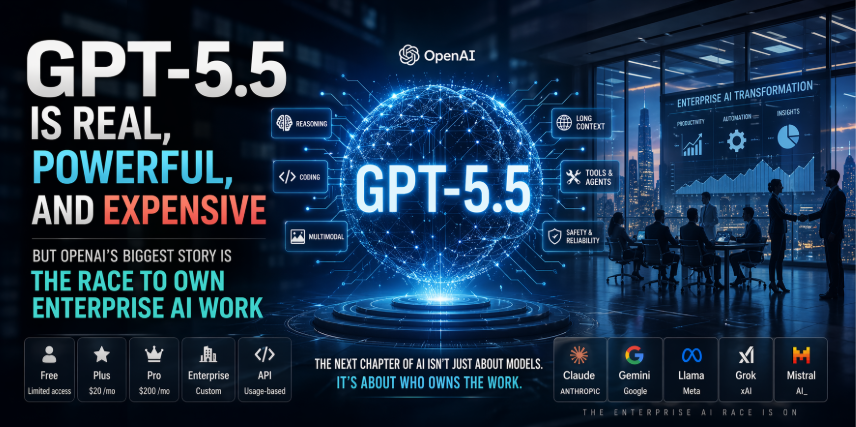
In this respect, the direction taken by OpenAI is telling. With services such as ChatGPT Enterprise, the emphasis is placed on operational prerequisites:
- Clear policies stating that customer data is not used for training
- Encryption, audit logs, and administrator consoles
- SSO and permission management aligned with enterprise IT standards
This signals a shift in OpenAI’s role—from a provider of powerful models to a provider of infrastructure that allows AI to run safely inside organizations.
Equally important is the growing focus on measurable outcomes: productivity gains, time savings, and quality improvements presented in enterprise reports and case studies. For companies, AI is no longer an interesting novelty; it is becoming a management resource evaluated by return on investment.
The Next Generation of Models Will Complete “Enterprise Operations”
If the next generation of large-scale models—often casually referred to as “ChatGPT-6”—emerges, its value will not be defined by fluency or benchmark scores. The emphasis will clearly move to:
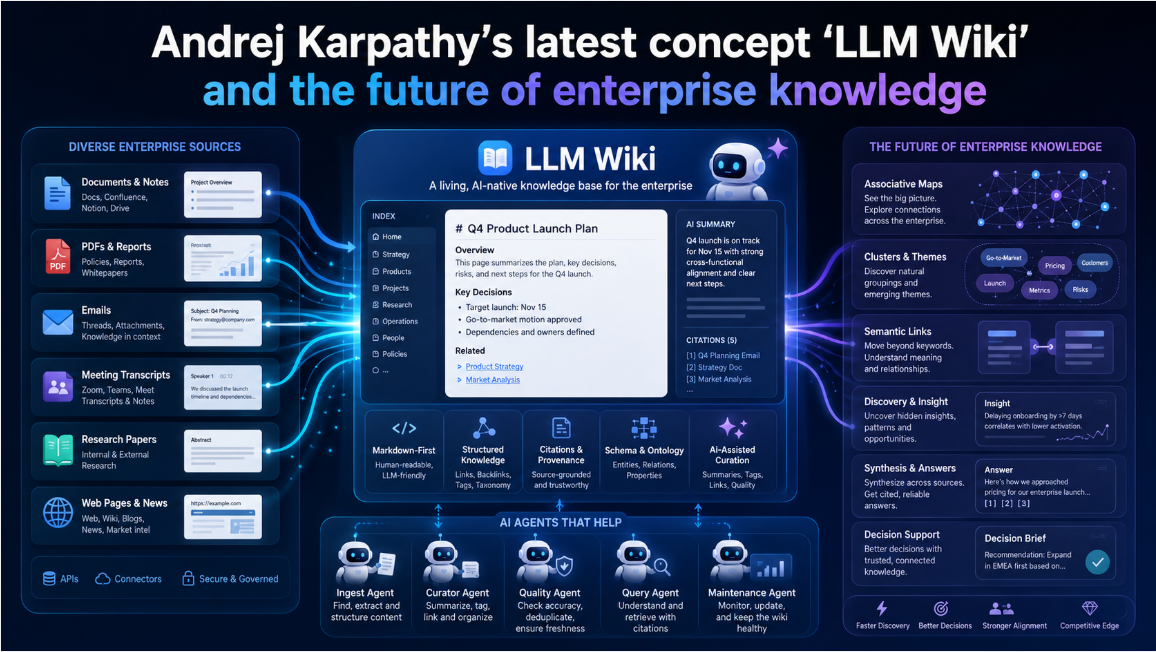
- Secure connections to internal data and business systems
- Permission control, auditing, and logging
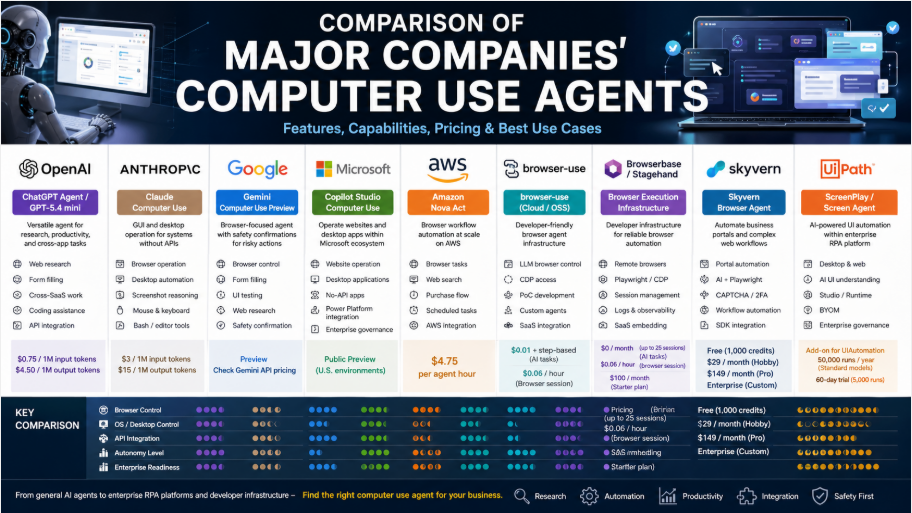
- AI agents capable of executing tools and procedures
- Designs that assume failures, security risks, and misuse
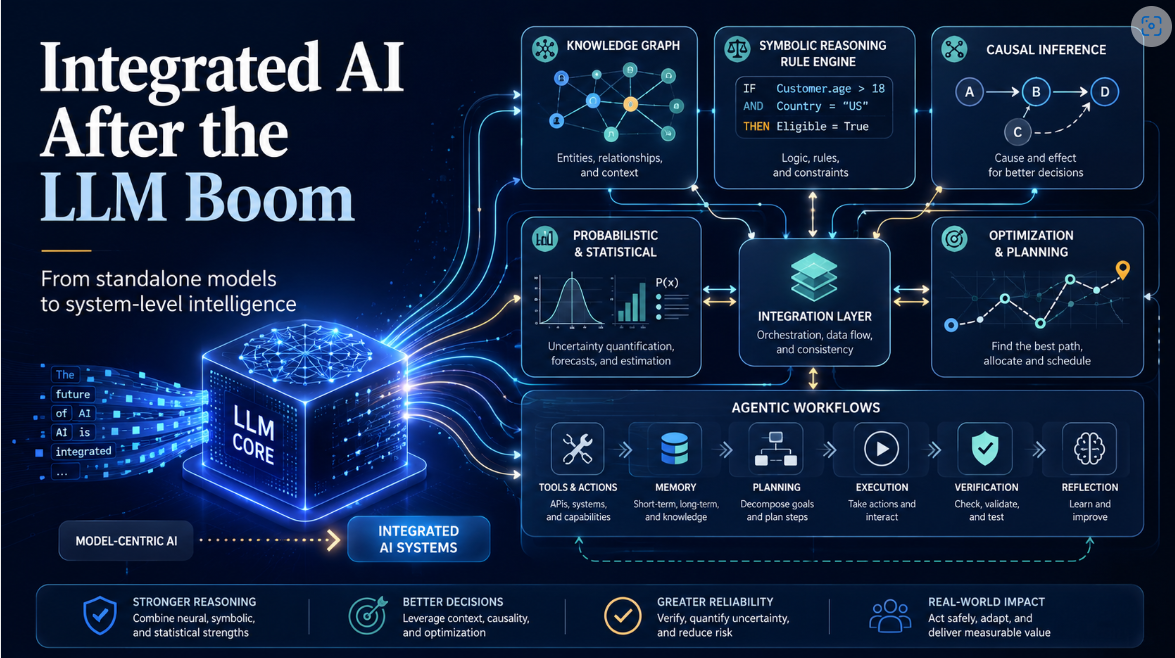
This marks a transition from AI as something that “answers questions” to AI as something that executes work.
The year in which this transition becomes tangible is likely to be 2026.
What “AI CEO” Really Signals About the Future
Sam Altman has begun speaking publicly about a future in which AI could assume CEO-like roles. While provocative, this idea is not mere rhetoric.
If AI becomes involved in corporate decision-making and operations, it effectively becomes part of corporate governance. At that point, the central questions are no longer about intelligence alone, but about:
- Who holds responsibility
- Which decisions are made by humans versus AI
- How decisions are explained and audited
The phrase “AI CEO” symbolizes the destination of enterprise AI. And 2026 appears to be the year organizations step onto that path.
The Industry Structure After 2026
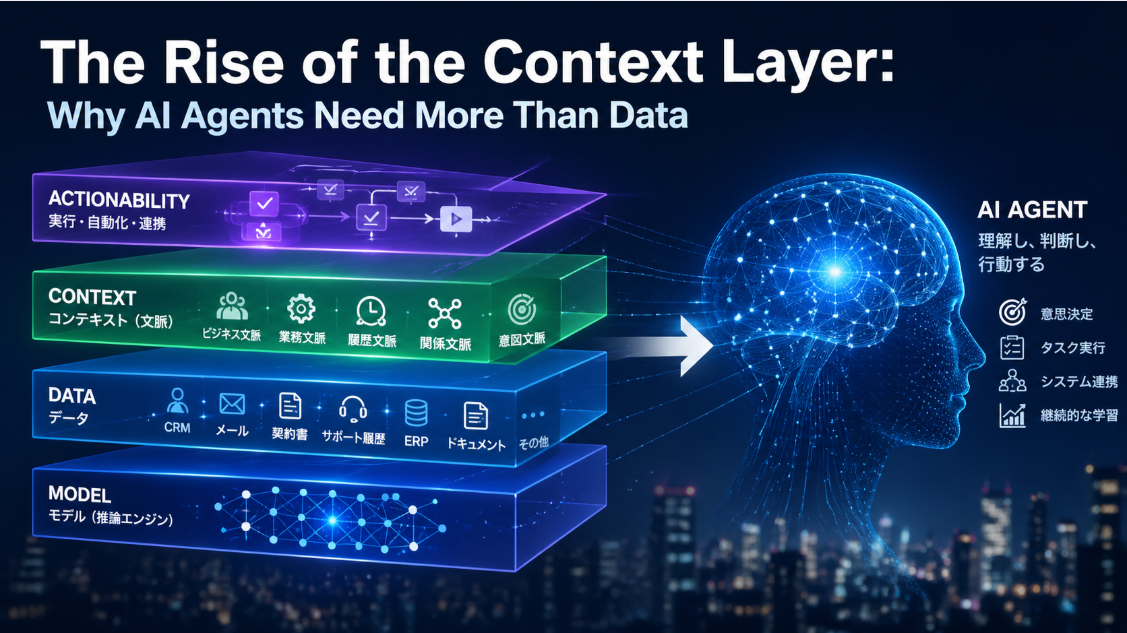
As enterprise AI matures, the industry will stratify into several layers:
- Infrastructure Layer
Compute resources, data centers, and inference platforms. Capital-intensive and prone to concentration. - Model / Platform Layer
Models, APIs, workspaces, and management features. Competition shifts from pure performance to operational control. - Business Application Layer
AI tailored to sales, legal, R&D, customer support, and other functions—where revenue is most directly generated. - Governance Layer (Cross-cutting)
Auditing, risk management, compliance, and visibility into AI usage. This layer, long underestimated, will become indispensable.
Among these, the governance layer will grow especially rapidly as AI becomes embedded in core business processes.
Standardization Will Focus on “Connectivity” and “Operations”
Future competition will not hinge on marginal differences in model quality. The decisive factors will be:
- How securely AI connects to internal and external systems
- How its behavior is governed, monitored, and audited
As standards for tool connections, data access, and operational control mature, enterprises will be able to assemble AI systems from interchangeable components rather than being locked into a single vendor. At the same time, risks will increase—making governance and oversight even more critical.
Business Opportunities in the First Year of Enterprise AI
What expands after 2026 is not a race to build ever-smarter chatbots.
It is the emergence of entire ecosystems that enable companies to use AI safely and continuously.
Key opportunities include:
- AI governance and policy support
- Integration of AI into real business workflows
- Safe operation of AI agents
- Connectors to internal systems and SaaS platforms
- Monitoring of usage, quality, and risk
These demands only surface once AI is deployed at scale inside organizations.
Why 2026 Marks the Turning Point
Consumer AI is approaching maturity in terms of capability. Enterprises, by contrast, still represent vast unexplored territory for AI integration.
When AI intersects with workflows, organizations, governance, and responsibility, it ceases to be a mere tool and becomes part of the corporate foundation.
That shift will become unmistakably visible in 2026.
The next true battleground for generative AI lies squarely inside the enterprise.
 ChatGPT