
 ThinkNavi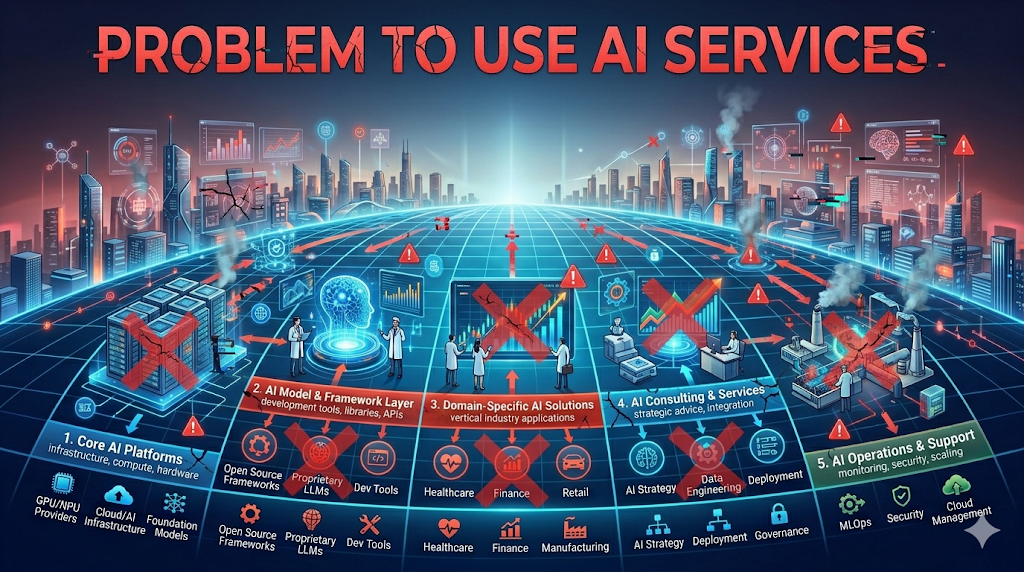
This is a concept research report gotten in minuites asking “problem to use AI services” to ThinkNavi. 128 responses were received, and their text was organized into a conceptual network model using GNG+MST technology. Users can use this as a reference for developing new services by understanding similar ideas as concepts.
Cluster 0: AI Limitations
The exploration of AI limitations reveals a complex landscape where various challenges hinder the effectiveness and usability of AI technologies. These limitations can manifest in several ways, from cultural insensitivity to technical hurdles that prevent users from fully leveraging AI capabilities.
Cultural Nuances and Communication
AI models often struggle to account for cultural nuances, which can lead to ineffective communication. This limitation can be particularly problematic in global applications where understanding local contexts is crucial for success. For instance, a marketing AI that fails to recognize cultural sensitivities may produce campaigns that resonate poorly with target audiences, potentially damaging brand reputation.
Technical Expertise and Customization
Users frequently encounter challenges when attempting to train custom AI models due to a lack of technical expertise. This barrier can prevent organizations from tailoring AI solutions to their specific needs, resulting in suboptimal performance. Additionally, some AI tools offer limited customization options, which further restricts their utility. Businesses seeking to implement AI solutions must often invest in training or hire specialists, adding to operational costs.
Data Quality and Bias
The effectiveness of AI models is heavily dependent on the quality of the data used for training. Many AI services require high-quality data to function effectively, which may not always be available. Furthermore, AI services can perpetuate existing biases present in the training data, leading to unfair or inaccurate outcomes. This issue raises ethical concerns and can result in significant reputational damage for organizations that fail to address bias in their AI systems.
Reporting and Support
AI services may not generate comprehensive reports, making it difficult for organizations to assess their effectiveness. Without robust analytical capabilities, businesses may struggle to derive actionable insights from AI outputs. Additionally, many AI services lack adequate support for research and development initiatives, limiting their potential for innovation.
Redundancy and Overlap
The proliferation of AI tools often leads to substantial overlap in functionality, creating confusion among users regarding which tools to utilize. This redundancy can complicate data management, as users may inadvertently duplicate data entries or encounter difficulties retrieving archived data efficiently. The multitude of available AI tools can also overwhelm users, making it challenging to select the best option for their needs.
Accessibility and Usability
Some AI tools are not optimized for mobile usage, affecting accessibility for users who rely on smartphones. Furthermore, many AI applications do not cater well to multilingual users, limiting their reach in diverse markets. Issues such as high latency in AI responses and insufficient interactivity further hinder user satisfaction, leading to frustration and disengagement.
Conclusion
The limitations of AI technologies present significant challenges for organizations looking to leverage these tools effectively. Addressing these issues requires a concerted effort to improve data quality, enhance customization options, and provide better support and training for users. As the AI landscape continues to evolve, overcoming these limitations will be essential for maximizing the potential of AI solutions.
Cluster 1: AI Reliability Concerns
Reliability is a critical aspect of AI technologies, as inconsistent performance can lead to user frustration and mistrust. This cluster highlights several key concerns regarding the reliability of AI outputs and the challenges organizations face in ensuring consistent performance.
Inaccuracy and Misleading Outputs
One of the most pressing reliability concerns is the potential for AI-generated outputs to be inaccurate or misleading. This can result in significant consequences, particularly in high-stakes environments such as healthcare or finance, where decisions based on erroneous AI outputs can lead to severe repercussions. Users may become frustrated by the inconsistency of AI performance, leading to a lack of trust in the technology.
Fluctuating Performance
AI performance can fluctuate based on varying conditions or inputs, making reliability a persistent issue. Users often find that the quality of AI outputs depends heavily on the input provided, which can vary significantly from one instance to another. This variability complicates the user experience and can hinder the adoption of AI technologies.
Monitoring and Error Correction
To mitigate the risks associated with unreliable AI outputs, constant monitoring is often necessary. Organizations may need to allocate resources to identify and correct errors in real-time, which can be both time-consuming and costly. The absence of standard measures for evaluating AI performance further complicates this process, making it challenging for users to compare different AI solutions effectively.
Return on Investment Challenges
Organizations may struggle to measure the return on investment (ROI) of AI implementations due to the lack of clear metrics for success. This uncertainty can hinder the willingness of organizations to invest in AI technologies, as decision-makers may be hesitant to allocate resources without a clear understanding of the potential benefits.
Provider Variability
The quality of AI services can vary significantly across different providers, leading to inconsistencies in user experience. Organizations may find themselves navigating a complex landscape of AI offerings, each with its strengths and weaknesses. The reputation of AI service providers can also influence organizational willingness to adopt their solutions, as users may prefer established providers with a track record of reliability.
Conclusion
Reliability concerns surrounding AI technologies pose significant challenges for organizations seeking to leverage these tools effectively. Addressing these issues requires a focus on improving the accuracy of AI outputs, establishing standardized performance metrics, and fostering trust in AI solutions. As the market continues to evolve, organizations must prioritize reliability to ensure successful AI adoption.
Cluster 2: User Concerns with AI
User concerns regarding AI technologies encompass a wide range of issues that can impact the overall experience and effectiveness of these tools. This cluster highlights several key areas where users may encounter challenges when interacting with AI services.
Feedback Mechanisms and Community Support
A lack of user feedback mechanisms can hinder the iterative improvement of AI services. Without robust channels for users to provide input, AI solutions may stagnate, failing to evolve in response to user needs. Additionally, the absence of community forums can limit knowledge sharing among users, preventing them from benefiting from collective experiences and insights.
Control Over Decision-Making
Many users express concerns about their lack of control over AI decision-making processes. This perceived loss of agency can lead to dissatisfaction, particularly when users feel that AI systems are making decisions without adequate transparency. The ability to explain AI decisions remains a significant challenge, as many algorithms function as “black boxes,” making it difficult for users to understand how outcomes are determined.
Complexity and Usability
Some AI services feature overly complex functionalities that deter users from engaging effectively. Users may find these complexities overwhelming, particularly if they lack technical expertise. Poorly designed user interfaces can further hinder interaction, making it challenging for users to navigate AI platforms and utilize their features effectively.
Customer Support and Documentation
Inadequate customer support from AI providers can lead to user frustration, especially when issues arise. Users may encounter vague error messages that complicate troubleshooting efforts, leaving them feeling unsupported. Furthermore, many AI services suffer from poor or insufficient documentation, making it difficult for users to understand how to utilize features effectively.
Privacy Concerns
Privacy risks associated with sharing sensitive personal information with AI services can deter users from fully engaging with these technologies. Users may have unrealistic expectations regarding the capabilities of AI services, leading to disappointment when outcomes do not align with their assumptions. Negative public perception of AI can also affect user willingness to engage with these services, as concerns about data security and ethical implications continue to grow.
Conclusion
User concerns surrounding AI technologies highlight the need for improved feedback mechanisms, transparency, and support. Addressing these issues will be crucial for enhancing user satisfaction and fostering trust in AI solutions. As organizations seek to implement AI technologies, prioritizing user experience will be essential for successful adoption.
Cluster 3: AI Adoption Challenges
The adoption of AI technologies presents a variety of challenges that organizations must navigate to successfully integrate these tools into their operations. This cluster explores several key obstacles that can hinder AI adoption.
Ethical Considerations
The use of AI raises ethical questions related to job displacement and the transparency of AI-driven decisions. Organizations must grapple with the implications of implementing AI technologies, particularly in sectors where automation may lead to workforce reductions. Ensuring ethical use of AI, especially concerning surveillance and data collection policies, is a significant challenge that organizations must address.
Data Ownership and Compliance
Debates surrounding data ownership processed by AI systems can complicate user agreements and hinder adoption. Organizations may struggle to comply with data protection regulations while using AI services, particularly in regions with stringent privacy laws. This complexity can deter organizations from fully embracing AI technologies, as they may fear potential legal repercussions.
Resistance to Change
Employee resistance to adopting new AI technologies can pose a significant barrier to implementation. Some workers may fear job displacement or feel uncomfortable with the changes that AI brings to their roles. Organizations must actively manage this resistance by fostering a culture of innovation and demonstrating the benefits of AI adoption.
Upfront Investment
The requirement for significant upfront investment can deter organizations from adopting AI technologies. Many businesses may lack the necessary resources to implement AI solutions, particularly small and medium-sized enterprises. Organizations must carefully evaluate the potential return on investment to justify the costs associated with AI adoption.
Longevity and Viability
As technologies evolve rapidly, questions about the longevity of support for AI tools may hinder adoption. Organizations may hesitate to invest in AI solutions if they perceive a risk of obsolescence or lack of ongoing support. This uncertainty can create a reluctance to commit to AI technologies, further complicating the adoption process.
Conclusion
AI adoption challenges encompass a range of ethical, legal, and organizational considerations that organizations must navigate to successfully implement these technologies. Addressing these challenges requires a proactive approach to fostering a culture of innovation, ensuring compliance with regulations, and demonstrating the long-term value of AI investments.
Cluster 4: AI Integration Challenges
Integrating AI technologies into existing systems presents a variety of challenges that organizations must overcome to realize the full potential of these tools. This cluster highlights several key obstacles related to AI integration.
Training and Onboarding
Employees often require extensive training to effectively use AI services, resulting in significant time and resource allocation. Organizations may find that lengthy onboarding processes delay the implementation of AI technologies, hindering productivity. The need for comprehensive training programs can also strain resources, particularly in organizations with limited budgets.
Vendor Dependence
Organizations may become overly dependent on a single AI vendor, limiting flexibility and increasing risk. Relying on a single provider for updates and improvements can lead to delays and inefficiencies, particularly if the vendor experiences downtime or failure. This dependence can also stifle innovation, as organizations may be less inclined to explore alternative solutions.
Integration Complexity
Integrating AI services with existing software systems can be complicated and time-consuming. Organizations may encounter performance issues and increased costs when attempting to integrate AI with legacy systems. The need to streamline data from various sources into AI systems can also pose significant challenges, complicating the integration process.
Cybersecurity Risks
AI systems are susceptible to cyber attacks, jeopardizing sensitive data and posing significant risks to organizations. Ensuring the security of AI technologies requires ongoing vigilance and investment in cybersecurity measures. Organizations must prioritize the protection of their AI systems to mitigate potential threats.
Cost and Scalability
Many AI services charge high fees for subscription and usage, making them inaccessible for small businesses. Additionally, scaling AI solutions to meet growing demands can be a significant hurdle for organizations. The inability to set complex event-triggered responses can further limit the utilization of AI capabilities, preventing organizations from fully leveraging these technologies.
Conclusion
AI integration challenges encompass a range of technical, financial, and operational considerations that organizations must address to successfully implement AI technologies. Overcoming these challenges requires a strategic approach to training, vendor management, cybersecurity, and cost management. As organizations seek to integrate AI into their operations, prioritizing these factors will be essential for achieving successful outcomes.