
 Video To Blog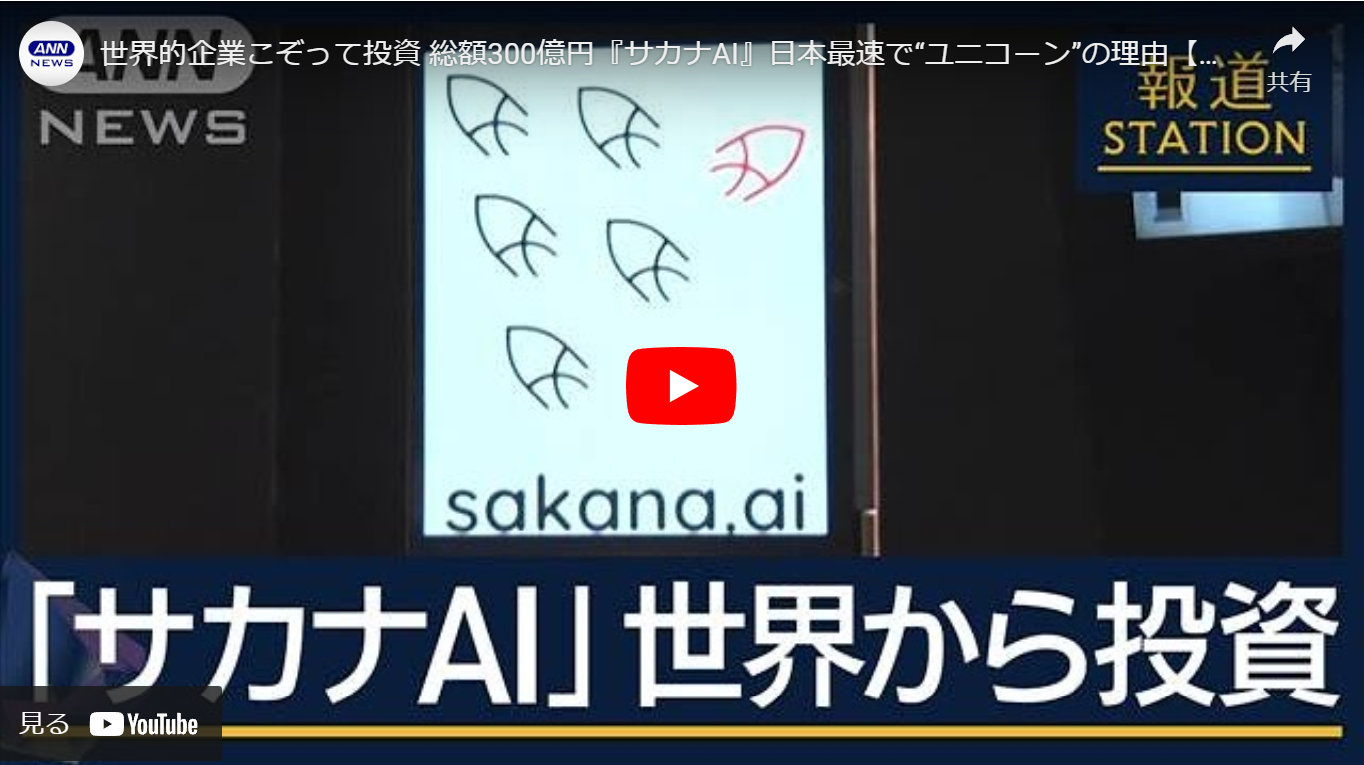
Sakana AI, a name that’s quickly becoming synonymous with innovation in artificial intelligence, has captured the attention of investors and tech enthusiasts alike. Founded just over a year ago, this pioneering company has already achieved unicorn status with a valuation exceeding $1 billion. So, what makes Sakana AI stand out in a crowded market? Let’s dive into the details of their unique approach, the team behind the magic, and the implications of their groundbreaking work.
Investment Surge: A Strong Vote of Confidence
In an impressive display of confidence, Sakana AI has attracted substantial investments from major players in the industry. Notably, Mitsubishi UFJ Financial Group, alongside ten other significant Japanese corporations, has collectively invested around 100 billion yen (approximately $700 million) into Sakana AI. This influx of capital underscores the belief in Sakana AI’s potential to reshape industries, particularly within the financial sector.
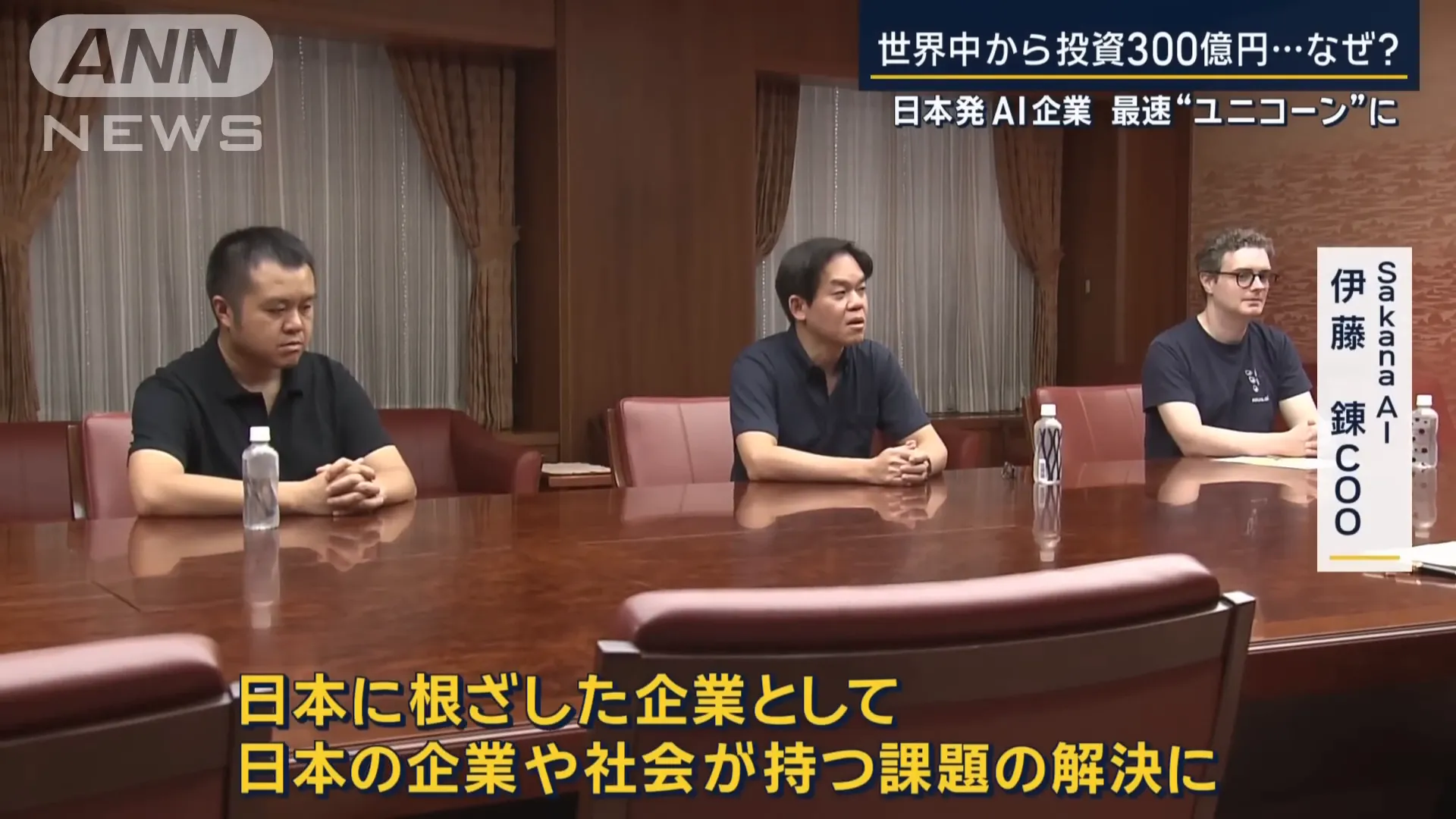
MUFG’s executive, Tadaji Yamamoto, highlighted Sakana AI’s ambition to revolutionize business models in financial institutions. Their state-of-the-art technology is set to address various challenges faced by Japanese companies and society as a whole.
Global Recognition and Support
The excitement surrounding Sakana AI isn’t limited to Japan. The company has also garnered international attention, with NVIDIA, the semiconductor giant, stepping in as a major shareholder. This partnership has helped boost the total investment in Sakana AI to an astounding 300 billion yen (around $2 billion) from various global investors.
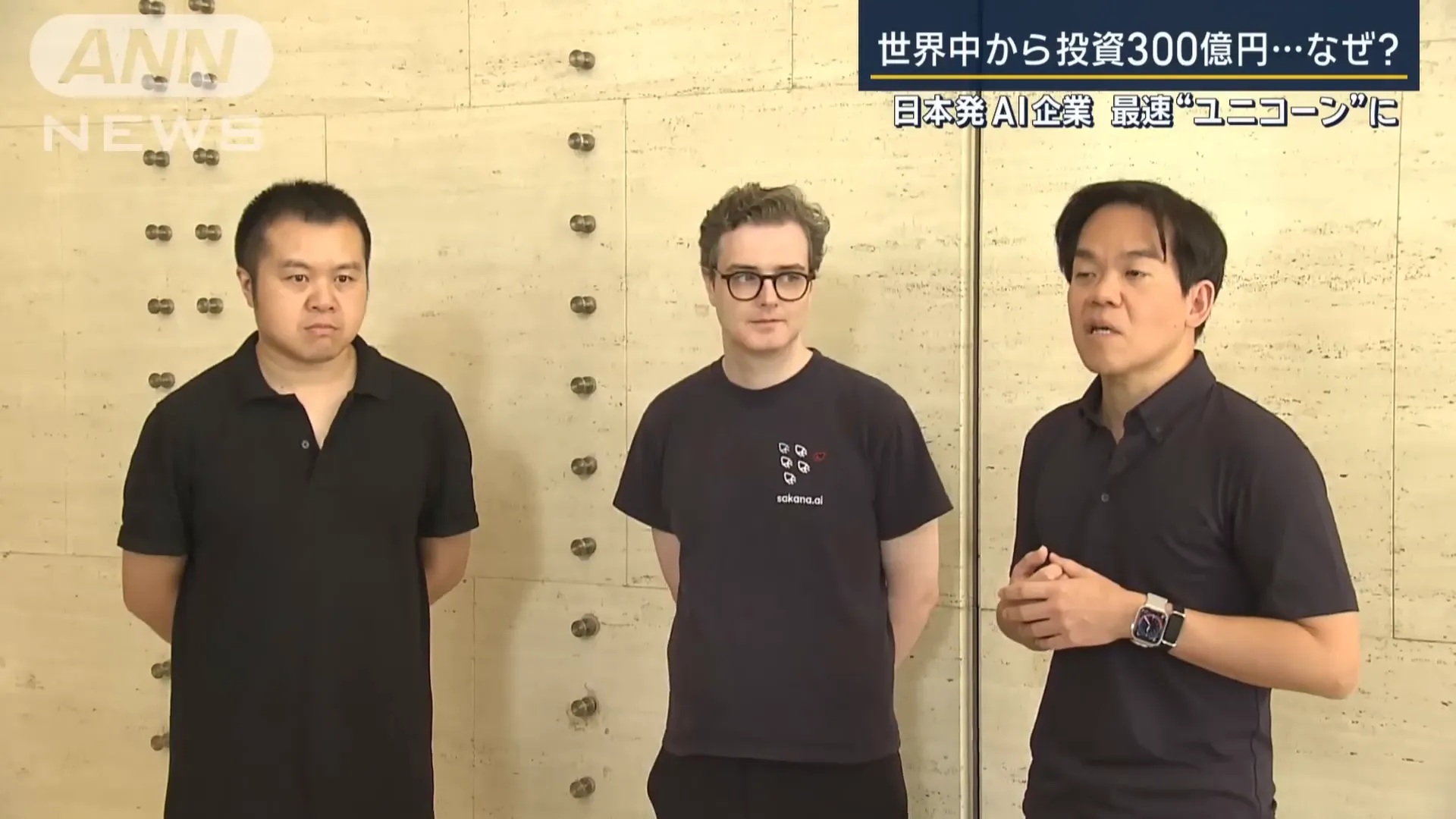
But why has a company that has only been operational for roughly a year caught the eye of such prominent investors? The answer lies in its innovative approach to AI development.
A Unique Approach to AI Development
While many AI companies are focused on scaling large models using expensive hardware, Sakana AI is taking a different route. The company proposes a new technology that connects multiple smaller AI models instead of creating one massive entity. This method mirrors the behavior of small fish forming schools, which allows them to act as a larger fish while maintaining their individuality.
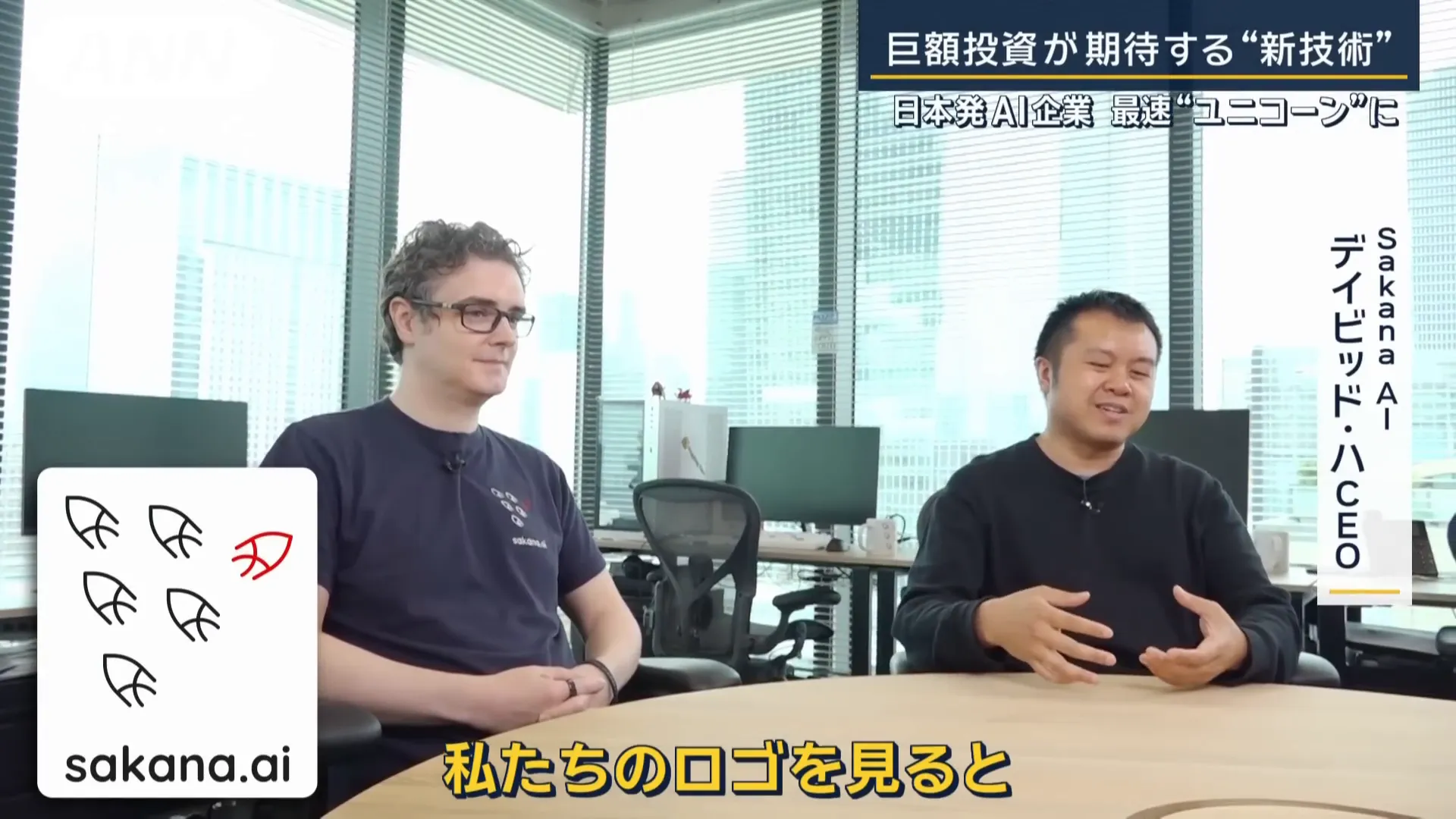
David Ha, the CEO of Sakana AI, emphasizes that their logo—a red fish swimming against the current—symbolizes the company’s commitment to exploring paths less traveled. This philosophy not only sets them apart but also positions them as a potential leader in the AI landscape.
The Leadership Team: A Blend of Expertise
The driving force behind Sakana AI is a trio of remarkable leaders: David Ha, Llion Jones, and Ren Ito. Their diverse backgrounds in AI research, technology, and business provide a solid foundation for the company’s innovative pursuits.
- David Ha: A former Google Brain scientist, David has a rich history of working on complex systems and autonomous systems research.
- Llion Jones: Known for co-authoring the influential “Attention Is All You Need” paper, Llion brings invaluable expertise in developing transformer models.
- Ren Ito: With experience in both diplomacy and business operations, Ren has a unique perspective that enhances Sakana AI’s strategic initiatives.
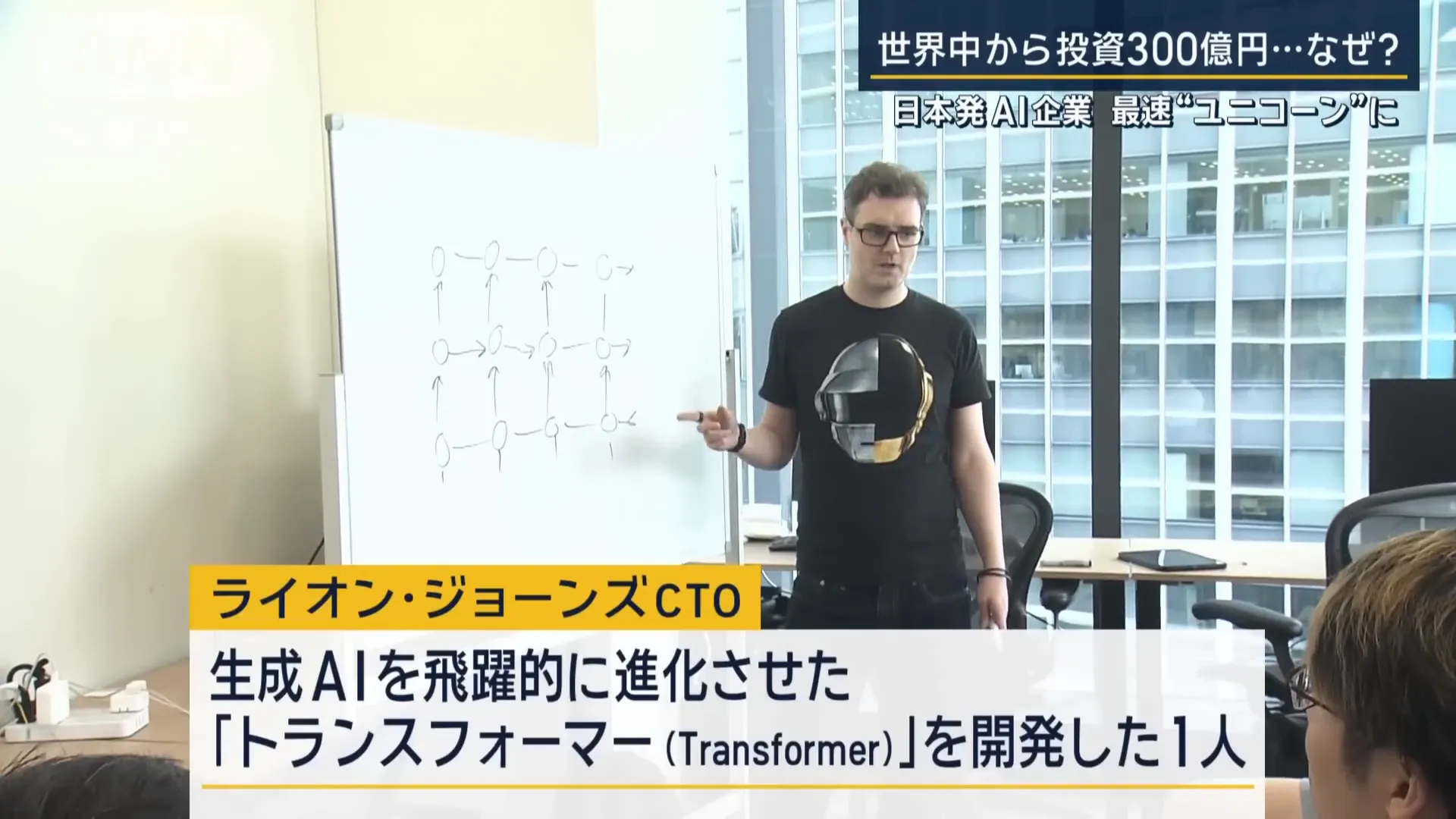
This combination of skills and experiences allows Sakana AI to push the boundaries of AI research and development, making them a formidable player in the tech industry.
Addressing AI’s Energy Consumption Issues
One of the significant challenges in AI development today is the massive power consumption associated with training large models. Sakana AI’s innovative technology aims to address this issue, making their approach not only effective but also sustainable. Major corporations are looking to Sakana AI for solutions that promise reduced energy costs and increased efficiency.
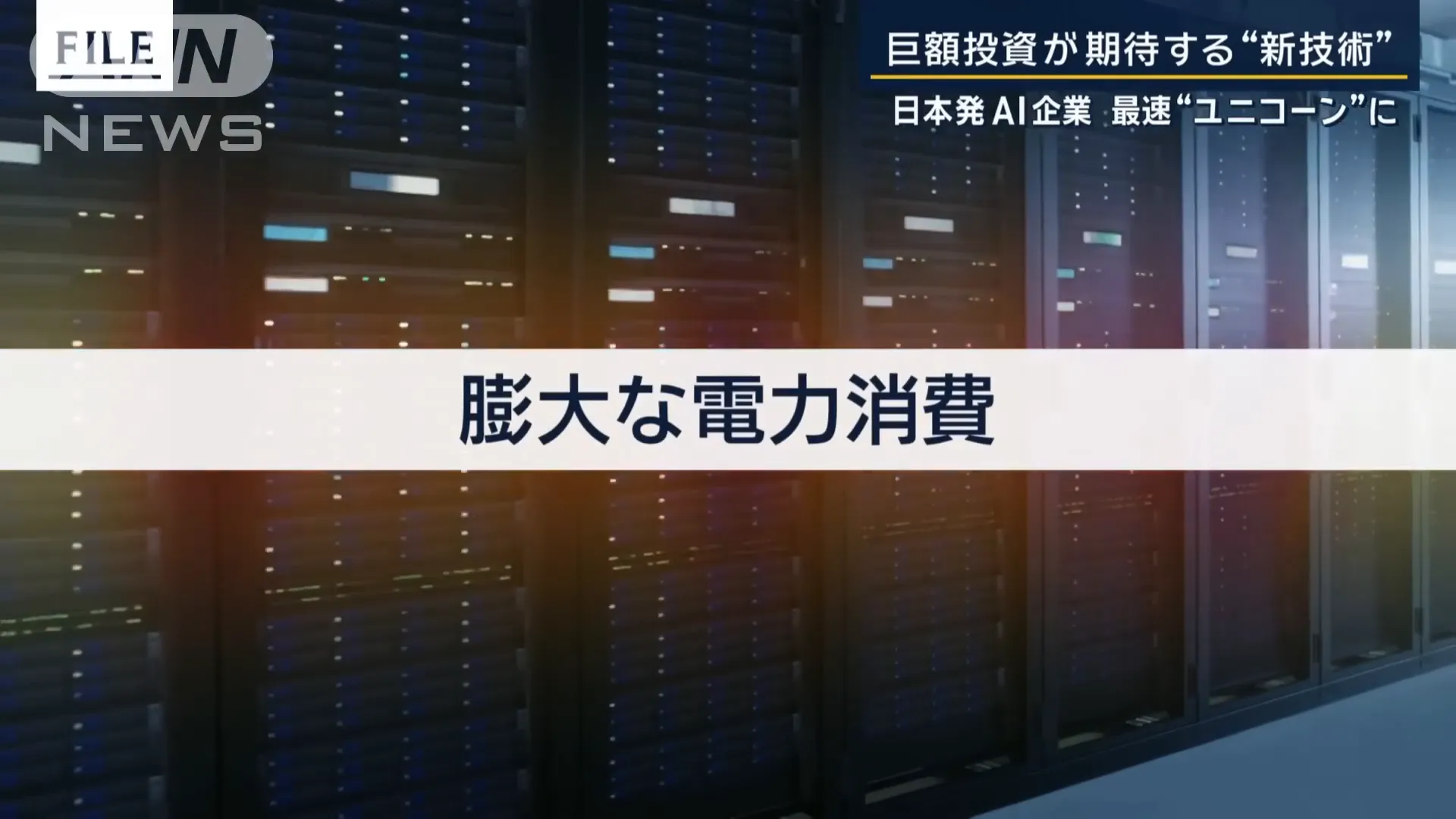
As the world grapples with energy challenges, Sakana AI’s work could lead to a more sustainable future for AI technology.
Real-World Applications: Transforming Research
Sakana AI is not just theoretical; its technology is already being applied in real-world scenarios. For instance, researchers at Keio University have utilized Sakana AI’s systems to assist in language comprehension, paper writing, and peer review processes. This means that AI is taking on tasks traditionally reserved for human researchers, showcasing its potential to revolutionize the academic landscape.
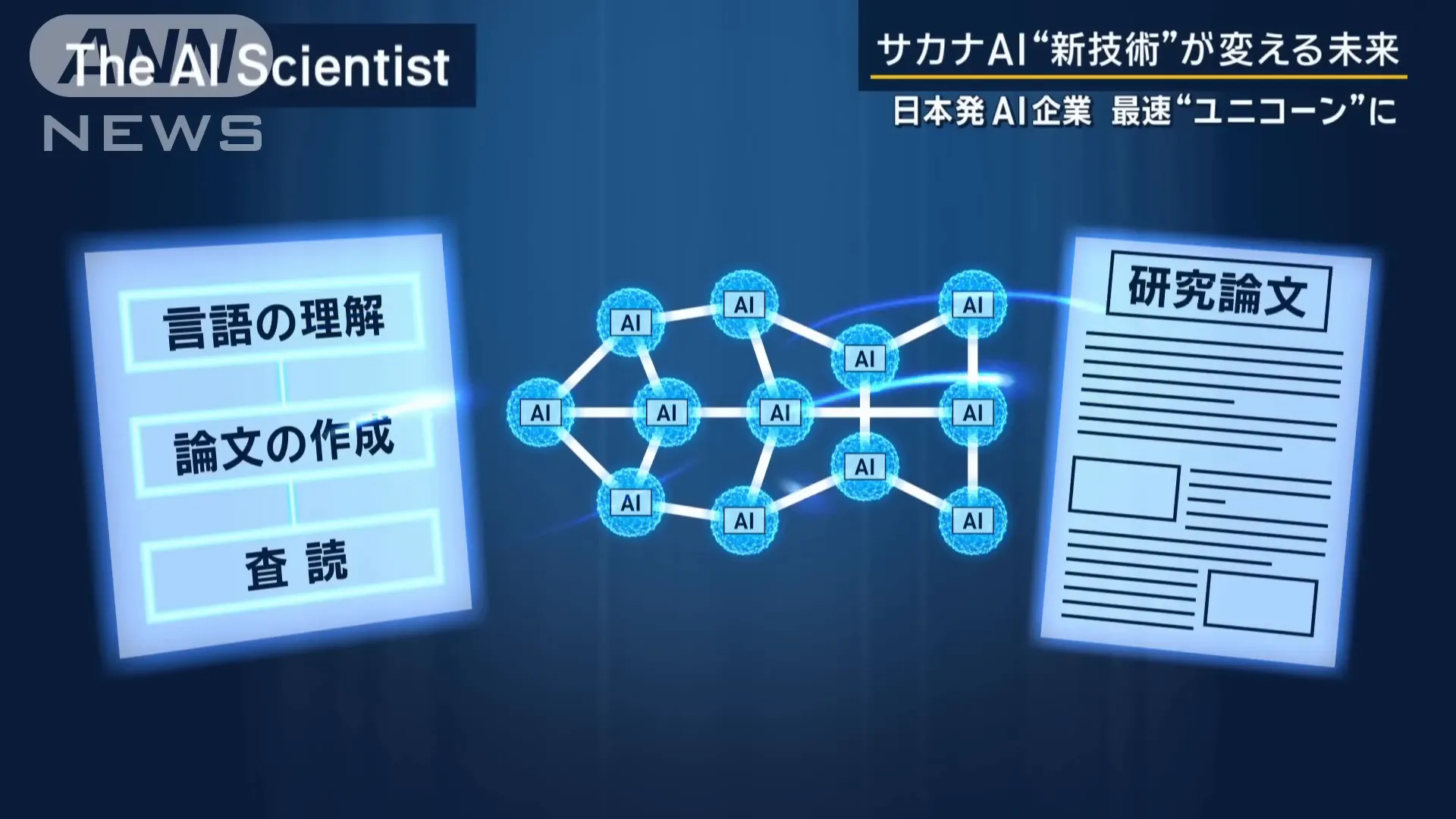
These advancements suggest that Sakana AI could significantly enhance productivity in research fields, allowing for more efficient workflows and groundbreaking discoveries.
Shaping the Future of AI in Japan
As Sakana AI continues to grow, it aims to shift the landscape of AI development, particularly in the context of the ongoing AI arms race between the US and China. The founders express a strong desire to lead these efforts from Japan, emphasizing the need for a robust sovereign AI ecosystem.

By fostering local talent and leveraging Japan’s unique cultural strengths, Sakana AI is poised to become a central player in the global AI arena, driving innovation and collaboration across borders.
Conclusion: A Bright Future Ahead
The story of Sakana AI is just beginning, but its rapid ascent in the AI sector is a testament to the power of innovation, strategic investment, and a visionary leadership team. As they continue to develop and refine their technologies, the implications for various industries—including finance, research, and beyond—are profound.
With a commitment to sustainability and a dedication to solving real-world problems, Sakana AI is not just another tech startup; it’s a beacon of what’s possible when creativity meets technology. The world will be watching as this Japanese unicorn continues to unfold its journey in the exciting realm of artificial intelligence.
For more updates on Sakana AI and the latest developments in the industry, check out テレ朝news.
 ChatGPT
 Editor