
 ChatGPT
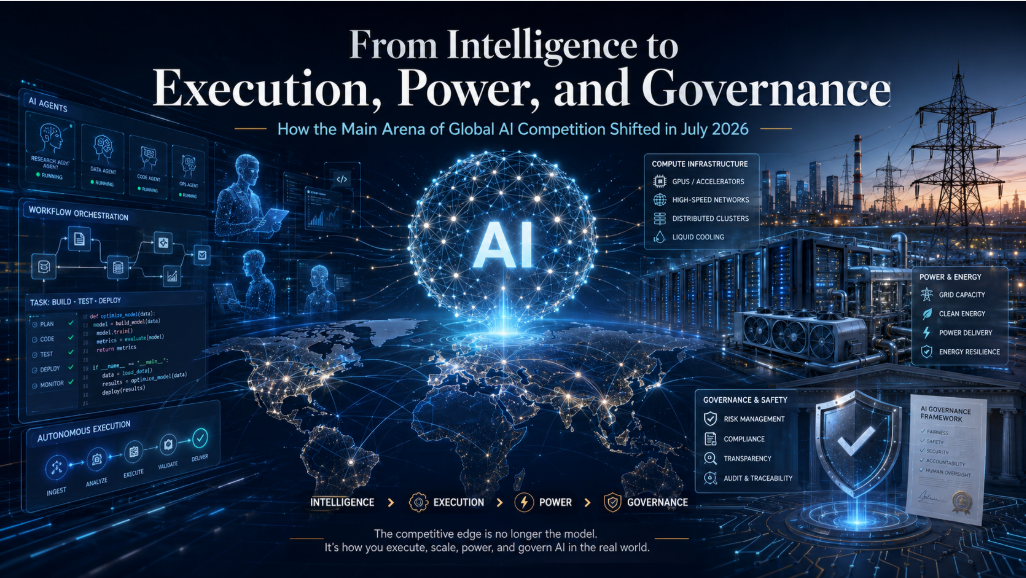
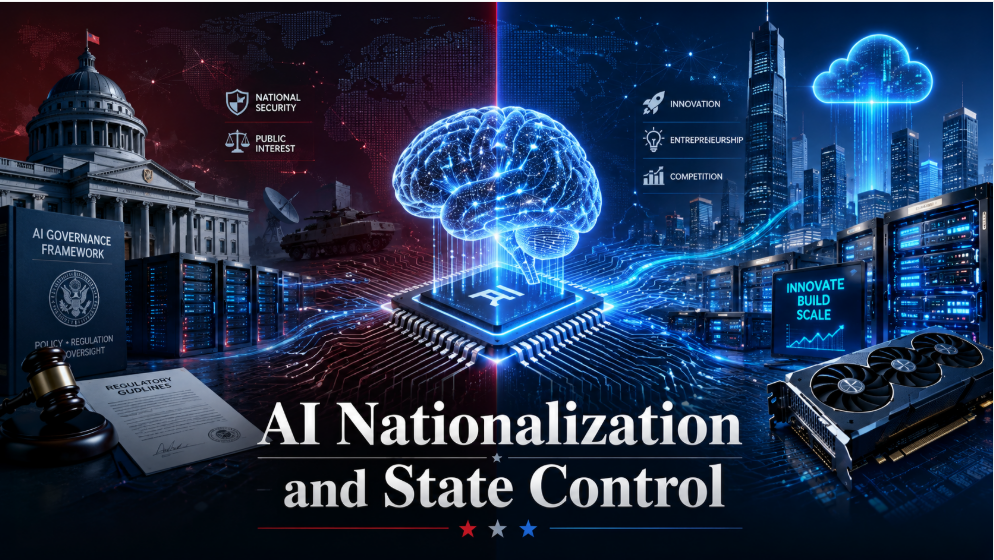
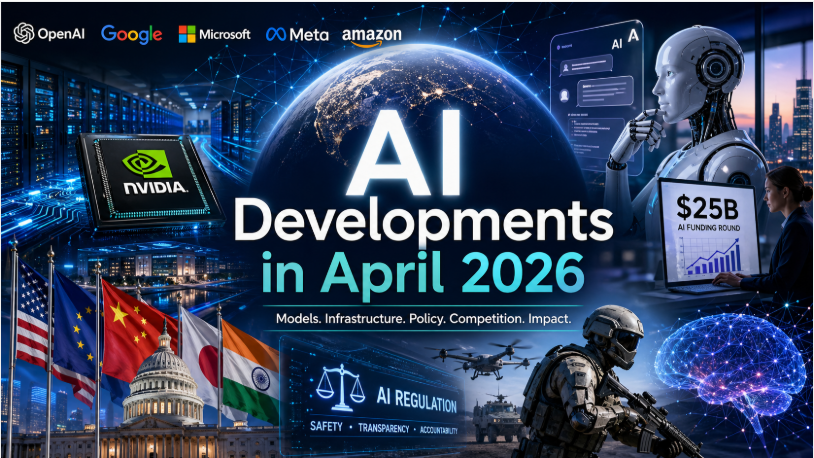
The international race for artificial intelligence (AI) dominance has taken center stage, with nations vying for technological and economic superiority. Drawing from analyses by leading global outlets such as The Financial Times, AP News, and Reuters, this article explores the key players, emerging trends, and implications of the AI arms race.
The U.S.-China Rivalry: A Pivotal Contest
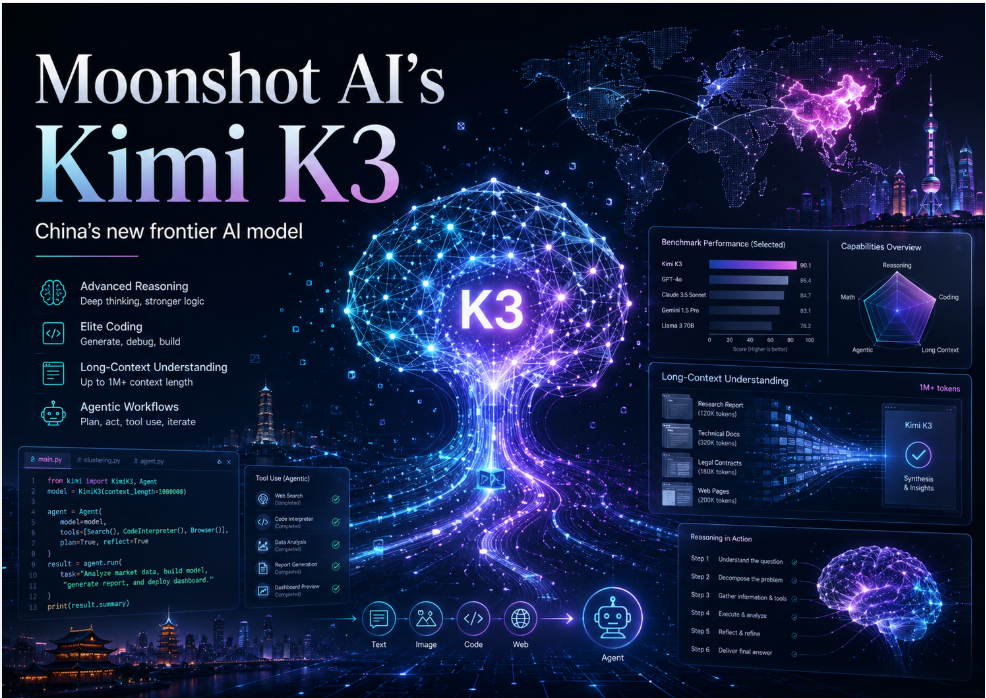
The United States and China remain at the forefront of the AI competition, each leveraging unique strategies and resources to maintain or achieve dominance. According to The Financial Times, OpenAI continues to innovate in foundational AI technologies, supported by Silicon Valley’s venture capital ecosystem and the U.S.’s world-class universities. However, China’s ascent, exemplified by the rise of startups like DeepSeek, challenges the U.S.’s lead. DeepSeek’s lightweight AI models, developed at a fraction of the cost of their U.S. counterparts, have disrupted the industry’s conventional approach .
DeepSeek’s flagship model, Deep Sea V3, demonstrates exceptional algorithmic efficiency, requiring fewer resources to achieve high performance. Reuters notes that Nvidia’s advanced GPUs, critical to training AI models, remain central to the competition. Despite export restrictions, Chinese developers have managed to secure high-performance chips, intensifying the rivalry .
Europe’s Ethical and Regulatory Leadership
While the U.S. and China focus on scaling AI capabilities, Europe’s approach emphasizes ethical AI and regulatory frameworks. Reuters highlights the European Union’s AI Act, which seeks to establish global norms for responsible AI development. Germany and France are leading industrial applications, particularly in manufacturing and healthcare, ensuring AI’s integration into critical sectors without compromising ethical standards .
Emerging Economies: India and the Middle East
Emerging economies are rapidly expanding their influence in the AI domain. India, supported by its government-backed initiatives and a growing pool of tech talent, is positioning itself as a key player in the global AI market. Meanwhile, Middle Eastern nations like the UAE and Saudi Arabia are leveraging AI to diversify their economies, reducing reliance on oil revenues .
Challenges and Cybersecurity Risks
The global AI race faces significant challenges, including cybersecurity threats and geopolitical tensions. AP News reports that DeepSeek recently suffered a large-scale cyberattack, raising concerns about the vulnerabilities of AI infrastructures. Additionally, ethical concerns such as data privacy and algorithmic bias continue to dominate discussions, as highlighted by The Financial Times and Reuters .
Implications for Global Markets
DeepSeek’s disruptive technologies have reshaped market dynamics, with its models challenging traditional cost structures and resource requirements. AP News notes that the success of lightweight AI solutions could signal a paradigm shift, pushing companies to prioritize efficiency over brute computational power. This shift has led investors to reevaluate their strategies, particularly regarding companies heavily invested in resource-intensive AI models .
The Path Forward: Collaboration and Regulation
As noted by Reuters, the future of AI development lies in balancing competition with collaboration. International organizations like the United Nations are working toward frameworks for cooperative governance, but progress remains slow. The Financial Times emphasizes the need for multilateral agreements to prevent fragmentation in AI governance and standards .
Conclusion
The race for AI supremacy is not merely a technological contest; it is a geopolitical, economic, and ethical crossroads. The insights from sources like The Financial Times, AP News, and Reuters underscore the complexity of this competition. Nations must navigate this transformative era with care, balancing innovation with responsibility to shape an equitable and sustainable AI-driven future .
Sources:
- The Financial Times: Covers insights on OpenAI and the challenges posed by China’s DeepSeek.
- AP News: Discusses DeepSeek’s impact on global AI competition and market shifts.
- Reuters: Explores DeepSeek’s rapid growth and its effects on AI development strategies.
- The Financial Times: Details DeepSeek’s challenge to the U.S. in maintaining AI dominance.
- Reuters: Highlights Nvidia’s statement on DeepSeek’s influence on chip demand.
- AP News: Reports on a cyberattack targeting DeepSeek.
- Reuters: Analyzes China’s strategies for maintaining momentum in AI.
- Reuters: Discusses how Europe aims to enhance its competitiveness in AI and clean energy technologies.
- AP News: Highlights geopolitical challenges stemming from advances in AI.


 Video To Blog