
 Editor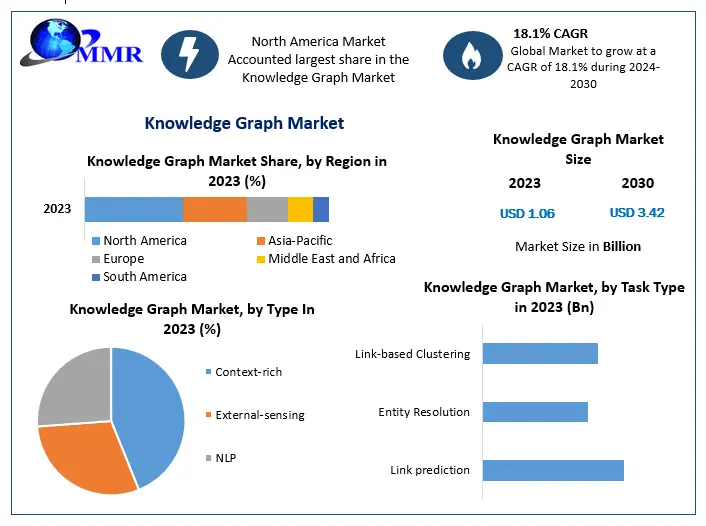
Maximize Market Research (MMR) has released a report on the North American knowledge graph market. The report says: The Knowledge Graph Market size was valued at USD 1.06 Billion in 2023 and the total Knowledge Graph revenue is expected to grow at a CAGR of 18.1 % from 2024 to 2030, reaching nearly USD 3.42 Billion.
https://www.maximizemarketresearch.com/market-report/knowledge-graph-market/221742/
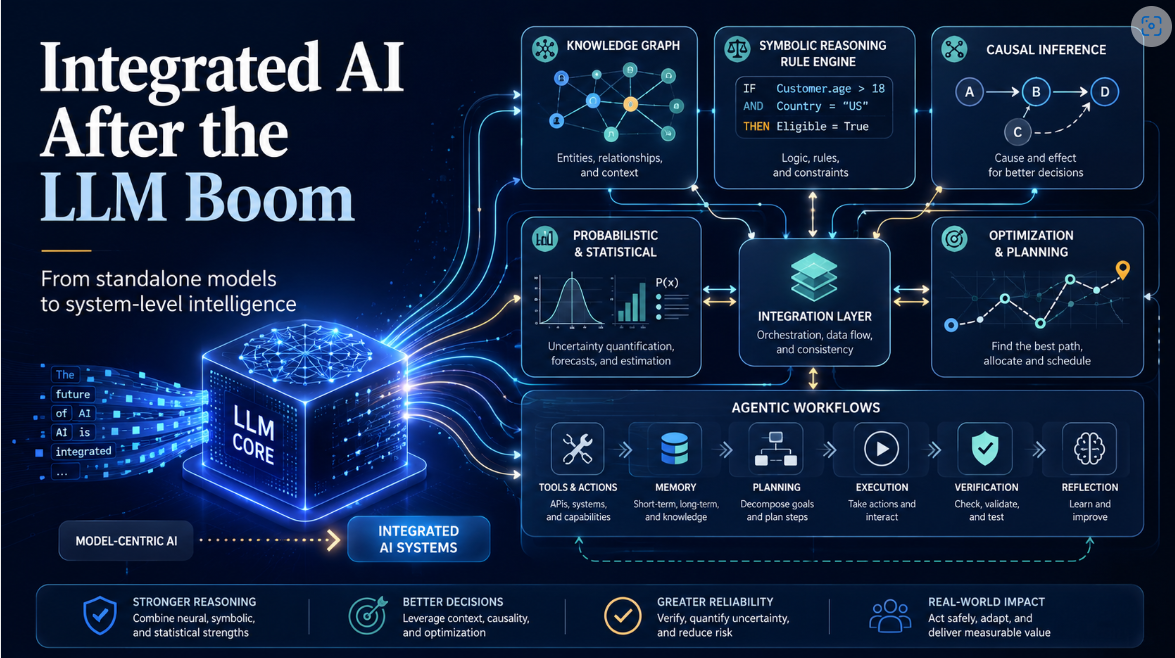
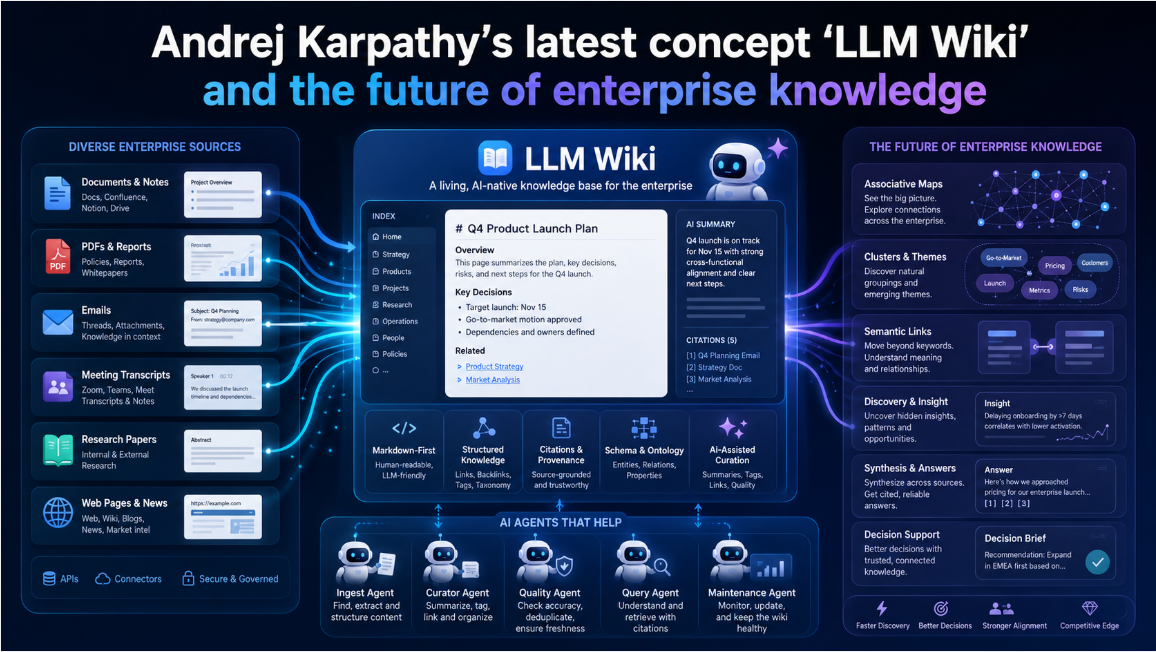
The knowledge graph is a powerful tool for data management, providing a blend of business data with structured representations of knowledge. It enables businesses to understand connections among their core elements—customers, products, features, and markets. The graph structure reveals these relationships, which can drive strategic insights and inform decision-making. By representing knowledge explicitly, a knowledge graph allows diverse data sources to share a unified framework, creating an integrated experience with an organization’s data.
The significance of knowledge graphs is rising across industries. Organizations increasingly recognize that these tools are crucial for extracting insights from data and driving informed decisions. Knowledge graphs, therefore, are becoming integral to data strategies, gaining traction in sectors like healthcare, finance, and retail, where they facilitate risk management, patient care, and supply chain optimization. The market’s growth is fueled by advancements in graph databases, machine learning, and AI applications. Open-source platforms are also expanding, as is the focus on security and privacy, enhancing the flexibility and trustworthiness of these technologies.
The COVID-19 pandemic accelerated the adoption of knowledge graphs. In an era that demands swift, data-driven decisions, knowledge graphs offer businesses a comprehensive view that facilitates pattern recognition across data sources. The demand for knowledge graphs has increased in critical sectors, addressing complex challenges and supporting rapid development of solutions, particularly in healthcare and financial services.
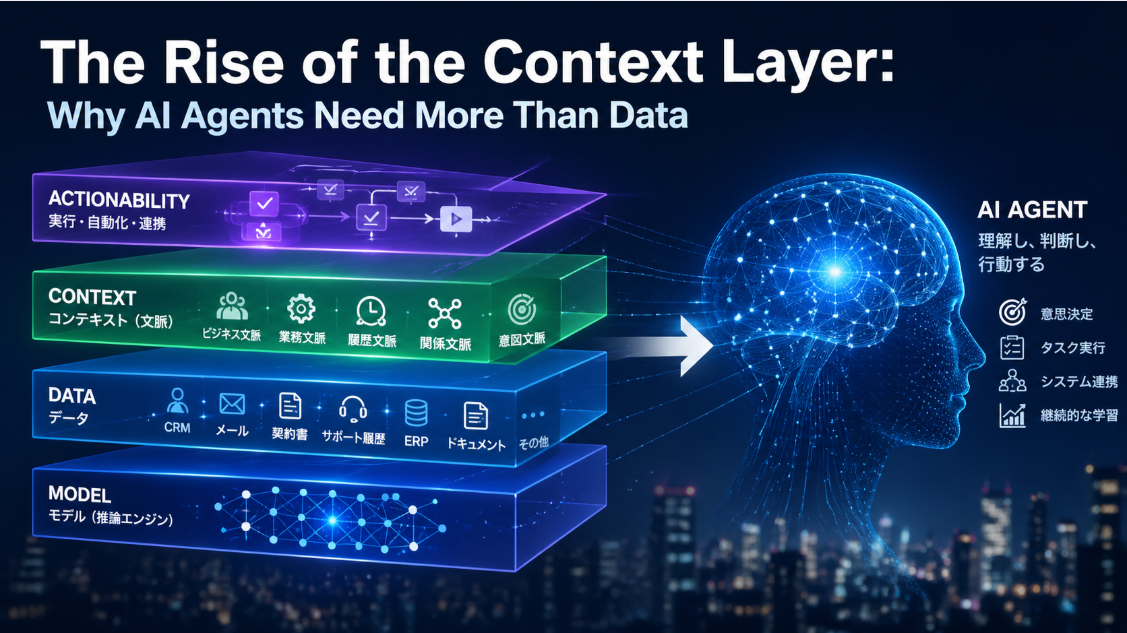
A central trend in the knowledge graph market is the need for data integration and analytics. Integrating data from multiple sources into a unified view is essential as organizations handle varied data formats. Knowledge graphs simplify this process by offering a cohesive framework that consolidates diverse data, making it accessible and analyzable. Analytics further empower organizations by extracting meaningful insights from this data, supporting enhanced decision-making, efficiency, and competitiveness. However, challenges such as ensuring data quality, security, and robust data governance remain.
AI and machine learning (ML) are pivotal to knowledge graph advancement, enabling intelligent data processing and prediction. By incorporating AI, knowledge graphs can automatically identify entities, relationships, and infer connections, supporting applications like recommendation systems and fraud detection. The integration of AI/ML into knowledge graphs accelerates construction, enhances reasoning, and expands their potential applications, marking a major trend that promises continued innovation.
Despite their potential, knowledge graphs face challenges. Technical obstacles include knowledge acquisition, representation, and scalability, as they require sophisticated techniques to handle complex data. Organizationally, data governance, ownership structures, and data quality maintenance are critical to managing knowledge graphs effectively. Societally, knowledge graphs must address ethical concerns, privacy, and transparency. Ensuring that knowledge graphs are free from bias and comply with privacy regulations is essential for widespread adoption and trust.
The knowledge graph market can be segmented by application. Semantic search, which helps decipher word meanings to deliver contextually accurate results, leads the market with a substantial share and is expected to continue growing. Knowledge graphs enhance search experiences by mapping relationships between entities and providing insights beyond simple keyword matching. Recommendation systems, another prominent application, benefit from knowledge graphs by mapping user preferences and delivering tailored suggestions, thus improving user engagement and satisfaction.
Regional insights reveal that North America leads the knowledge graph market, driven by high adoption in industries like healthcare, finance, and retail. In the U.S., major players such as Google, IBM, Oracle, and SAS dominate, offering scalable and context-rich knowledge graph solutions for applications ranging from chatbots to fraud detection. Canada follows closely, with strong demand and a similar competitive landscape. North America’s technological advancement and robust economy underpin this market dominance, and continued growth is anticipated.
The competitive landscape is intense, with numerous players striving for innovation. Key companies are adopting strategies such as partnerships and acquisitions. For example, IBM’s acquisition of StepZen in 2023 aims to streamline API development, while Accenture’s investment in Stardog supports enterprise data integration. These moves highlight the growing importance of knowledge graphs as foundational tools in the digital economy, positioning companies to meet evolving demands.
In summary, the knowledge graph market is positioned for continued expansion, with applications across industries driving its adoption. As knowledge graphs evolve, they are expected to offer even more advanced tools for data management, decision-making, and AI integration, establishing them as indispensable assets in modern data ecosystems.
 tada@aicritique.org
 ThinkNavi