
Need AI Development or Sponsor Exposure?

We help companies build AI systems and reach AI readers.

AI Development Become Sponsor

The AI Assessment Scale (AIAS) in Action: A Pilot Implementation of GenAI Supported Assessment

by Leon Furze, Mike Perkins, Jasper Roe, and Jason MacVaugh

Summary: This study explores the implementation of the AI Assessment Scale (AIAS), a framework for incorporating Generative AI into educational assessments. The pilot study indicates a significant reduction in academic misconduct related to AI, an increase in student attainment, and higher module passing rates.

Importance: The AIAS facilitates the effective integration of Generative AI in higher education, promoting academic integrity while leveraging technology to enhance learning experiences.

The study addresses concerns related to academic integrity and explores the potential benefits of GenAI technologies in educational settings.

Key Components of the AI Assessment Scale (AIAS):

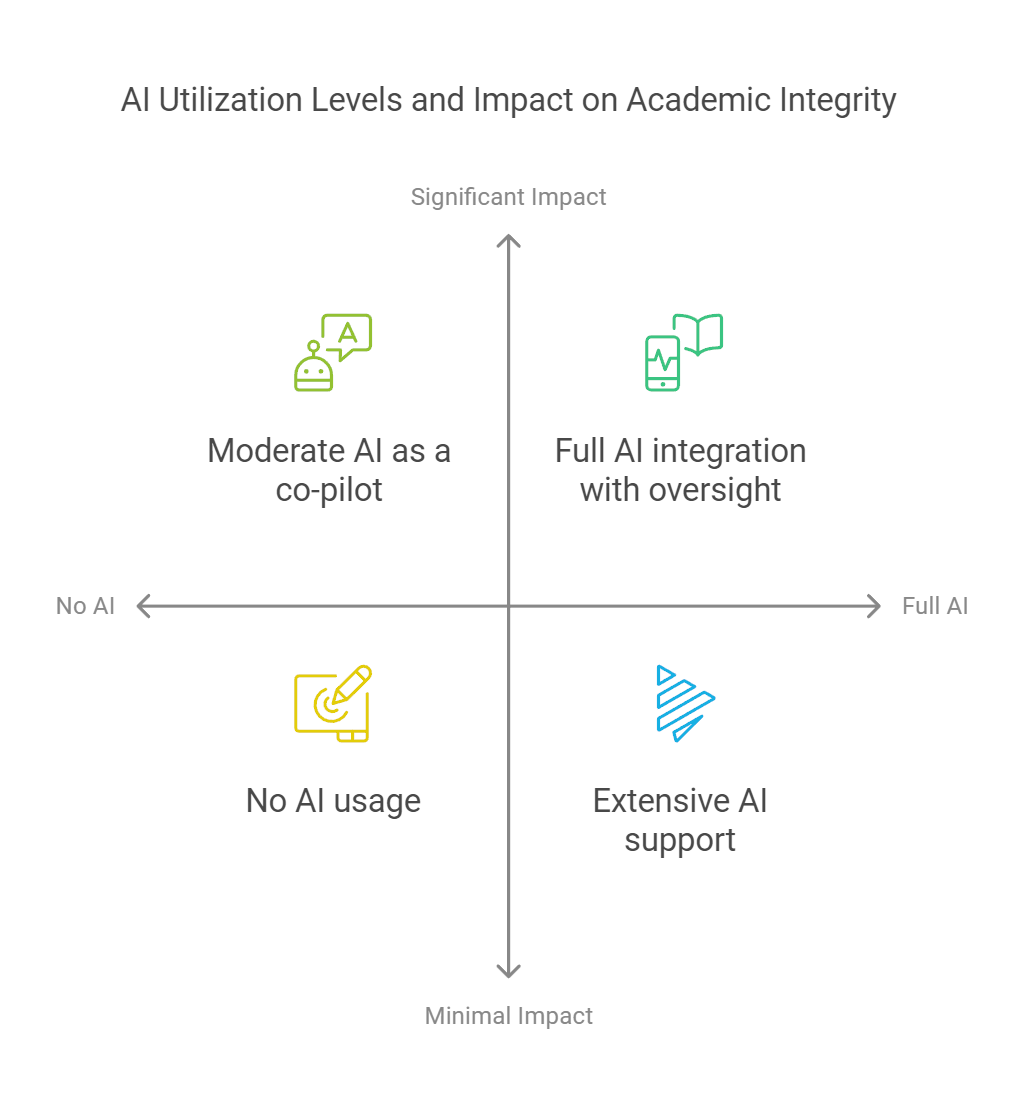
The AIAS is a flexible framework comprising five levels, each defining the extent of AI utilization in assessments:

  1. No AI: Completion of assessments without any AI assistance.
  2. Minimal AI: Limited use of AI for specific tasks, with AI-generated content requiring citation.
  3. Moderate AI: AI serves as a “co-pilot,” collaborating with students to enhance creativity.
  4. Extensive AI: AI is used throughout the assessment to support the student’s work, without the need to specify AI-generated content.
  5. Full AI: AI plays a central role in completing the assessment, with students overseeing and refining the output.

Pilot Study Implementation and Findings:

Conducted at the British University Vietnam (BUV), the pilot study implemented the AIAS across various modules. The results indicated:

  • A significant reduction in academic misconduct cases related to GenAI.
  • A 5.9% increase in student attainment across the university.
  • A 33.3% increase in module passing rates.

These outcomes suggest that the AIAS effectively integrates GenAI into higher education assessments, promoting academic integrity while leveraging AI’s potential to enhance learning experiences.

Implications for Higher Education:

The study advocates for a balanced approach to GenAI in education, moving away from punitive measures towards frameworks that incorporate AI ethically and transparently. The AIAS provides educators with a structured method to design assessments that foster critical thinking and human input, ensuring that AI serves as a tool to augment, rather than undermine, educational objectives.

For a comprehensive understanding, the full paper is accessible here.
  • Related Posts

    Comparing Neo-Grounded Theory, LOGOS, AcademiaOS, and GNG+MST Concept-Structure Analysis

    Executive Summary This report argues that the four approaches under comparison do not belong to a single methodological family in the same sense. Neo-Grounded Theory, LOGOS, and AcademiaOS are best understood as LLM-era attempts to automate, augment, or scale grounded-theory-style qualitative analysis for scholarly inquiry. By contrast, GNG+MST concept-structure…

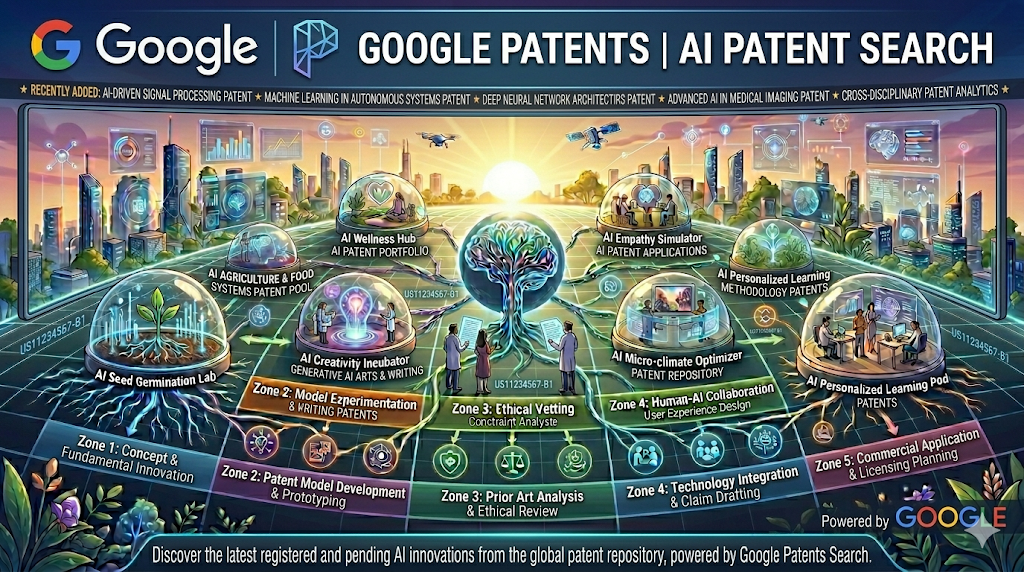
    AI Patents from Google Patents Search

    ch, and a conceptual structure network model was constructed. By reviewing similar patents clusters, trends in related topics can be identified. Cluster 0: Virtual Assistant Functionality Overview The Virtual Assistant Functionality cluster encompasses various methods, systems, and computer program products…

    You Missed

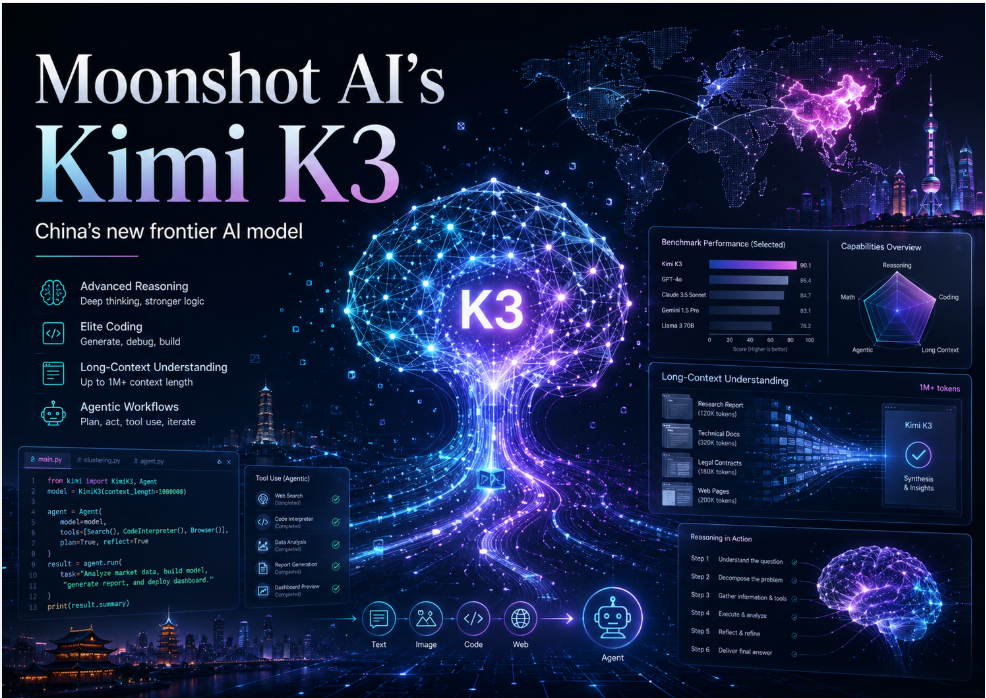
    Moonshot AI’s Kimi K3

    Moonshot AI’s Kimi K3

    The Multi-Polar Digital Feudal Order That Could Emerge After the AI Bubble Bursts

    The Multi-Polar Digital Feudal Order That Could Emerge After the AI Bubble Bursts

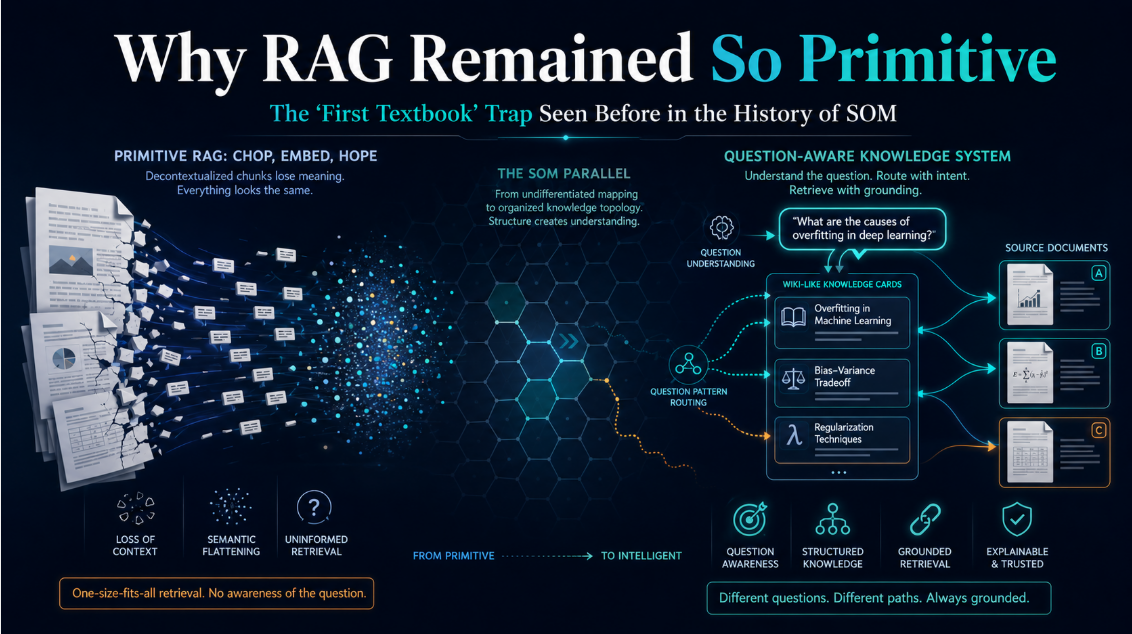
    Why RAG Remained So Primitive

    Why RAG Remained So Primitive

    GPT-5.6 and the Fight Over Frontier AI Access

    GPT-5.6 and the Fight Over Frontier AI Access

    Symbolism and Connectionism

    Symbolism and Connectionism

    AI Developments in June 2026: Major Releases, Products, Research, and Policy

    AI Developments in June 2026: Major Releases, Products, Research, and Policy
    Could AI Produce a Corporate Feudal Order

    AI Nationalization and State Control

    AI Nationalization and State Control

    Exaggeration and Reality in Multi-Agent Systems

    Exaggeration and Reality in Multi-Agent Systems

    Emerging Scenarios for an AI Bubble Collapse

    Emerging Scenarios for an AI Bubble Collapse

    Comparing Neo-Grounded Theory, LOGOS, AcademiaOS, and GNG+MST Concept-Structure Analysis

    Comparing Neo-Grounded Theory, LOGOS, AcademiaOS, and GNG+MST Concept-Structure Analysis

    Claude Mythos 5 and Claude Fable 5 Are Official Anthropic Releases, but Much of the Early Chatter Was Not

    Claude Mythos 5 and Claude Fable 5 Are Official Anthropic Releases, but Much of the Early Chatter Was Not

    NVIDIA RTX Spark: The Chip That Could Turn the Windows PC Into a Local AI Workstation

    NVIDIA RTX Spark: The Chip That Could Turn the Windows PC Into a Local AI Workstation

    AI Developments in May 2026

    AI Developments in May 2026

    From “Waiting for Instructions” to “Autonomous Execution”: May 2026, Autonomous AI Agents and Extreme Multimodality Reshape the World

    From “Waiting for Instructions” to “Autonomous Execution”: May 2026, Autonomous AI Agents and Extreme Multimodality Reshape the World

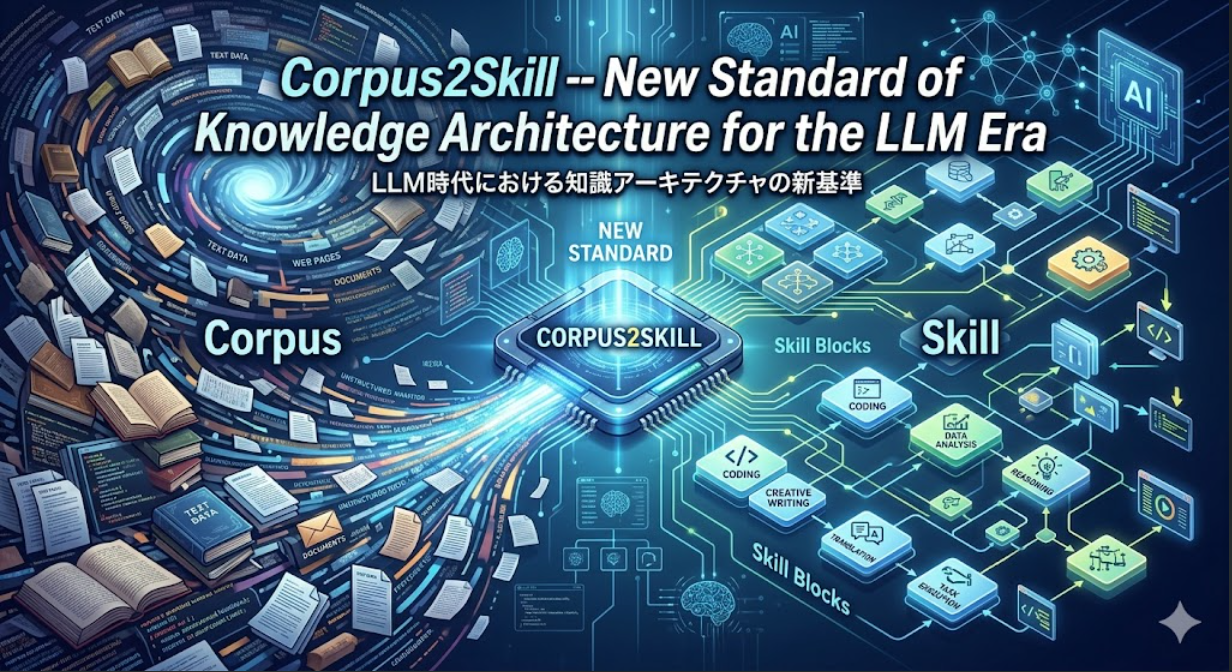
    Corpus2Skill — New Standard of Knowledge Architecture for the LLM Era

    Corpus2Skill — New Standard of Knowledge Architecture for the LLM Era

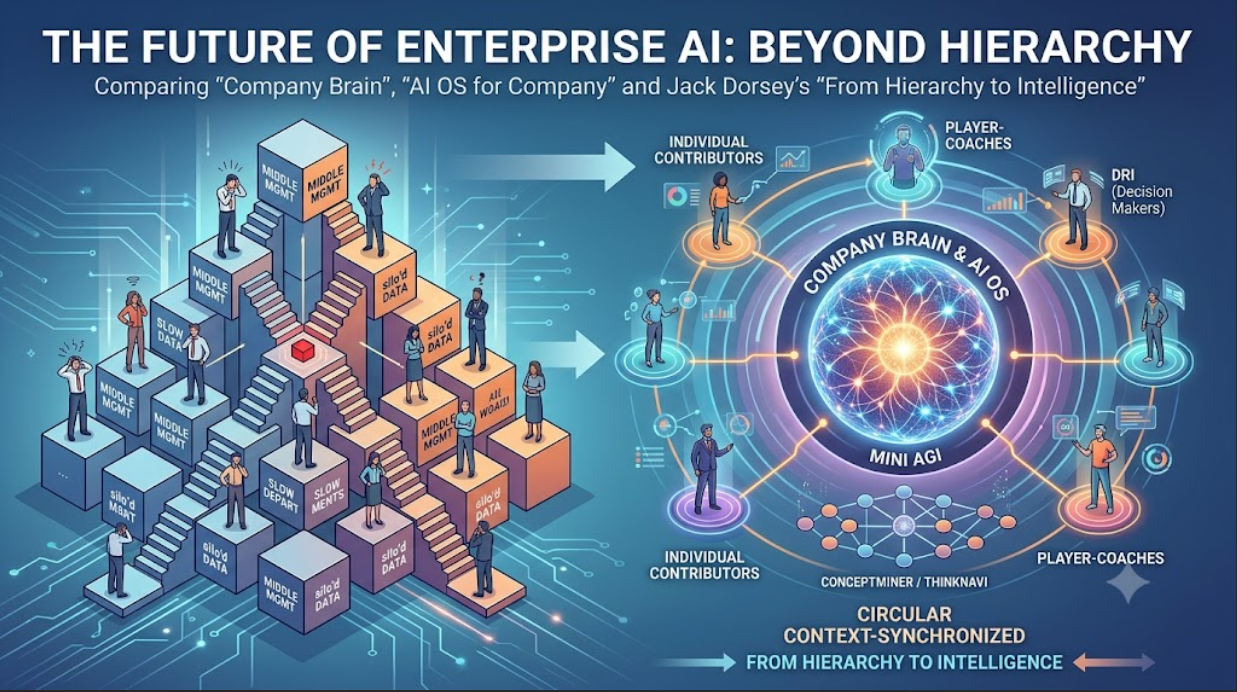
    The End of Hierarchy, the Rise of Intelligence: How “Company Brain” and “AI OS” Are Rewriting the Future of Organization

    The End of Hierarchy, the Rise of Intelligence: How “Company Brain” and “AI OS” Are Rewriting the Future of Organization

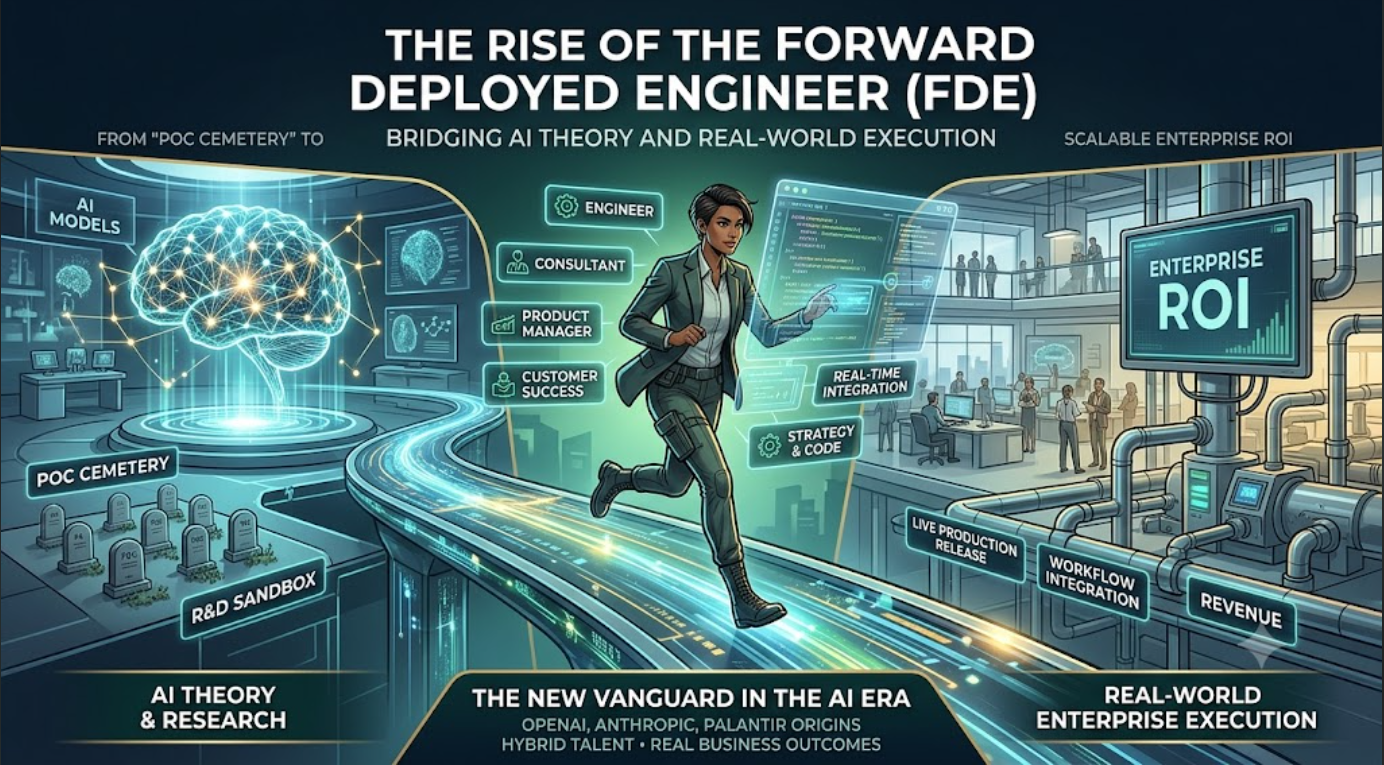
    The Rise of the Forward Deployed Engineer: Bridging the High-Stakes Chasm Between AI Theory and Execution

    The Rise of the Forward Deployed Engineer: Bridging the High-Stakes Chasm Between AI Theory and Execution

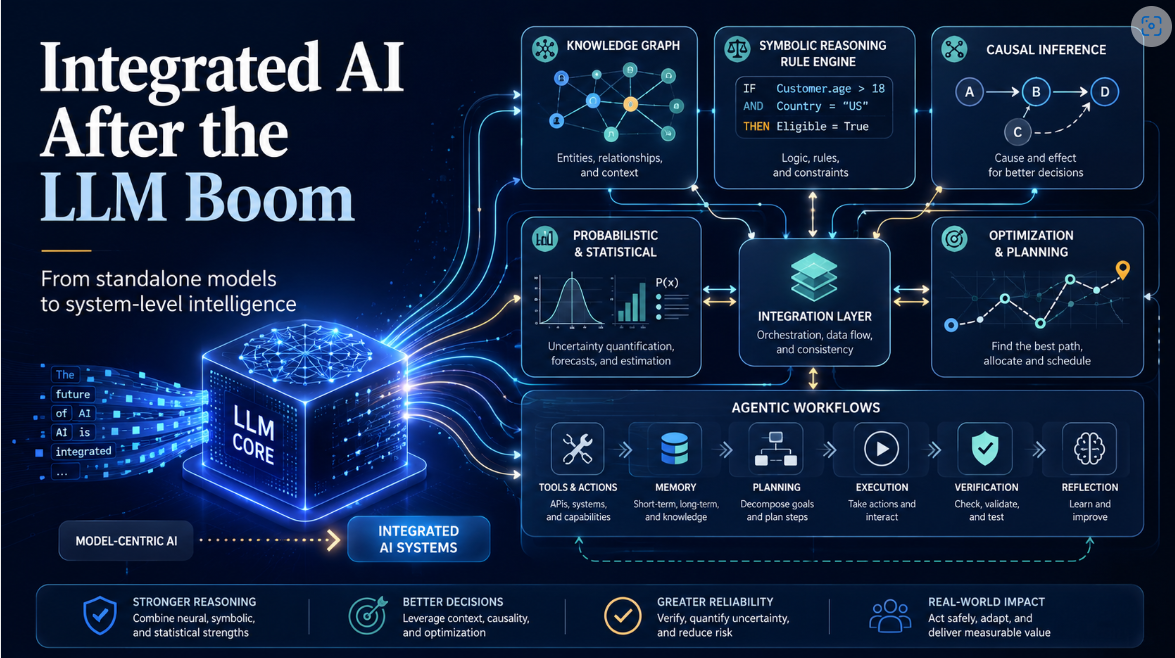
    Integrated AI After the LLM Boom

    Integrated AI After the LLM Boom

    Andrej Karpathy’s latest concept ‘LLM Wiki’ and the future of enterprise knowledge

    Andrej Karpathy’s latest concept ‘LLM Wiki’ and the future of enterprise knowledge

    How to Build Enterprise AI

    How to Build Enterprise AI

    AI Developments in April 2026

    AI Developments in April 2026

    The Rise of the Context Layer: Why AI Agents Need More Than Data

    The Rise of the Context Layer: Why AI Agents Need More Than Data

    Comparison of Major Companies’ Computer Use Agents

    Comparison of Major Companies’ Computer Use Agents

    GPT-5.5 Is Real, Powerful, and Expensive — but OpenAI’s Biggest Story Is the Race to Own Enterprise AI Work

    GPT-5.5 Is Real, Powerful, and Expensive — but OpenAI’s Biggest Story Is the Race to Own Enterprise AI Work
    Need AI solutions or sponsorship opportunities? Get in touch