
ChatGPT
- LM , News Topics
- July 21, 2026
- 226 views
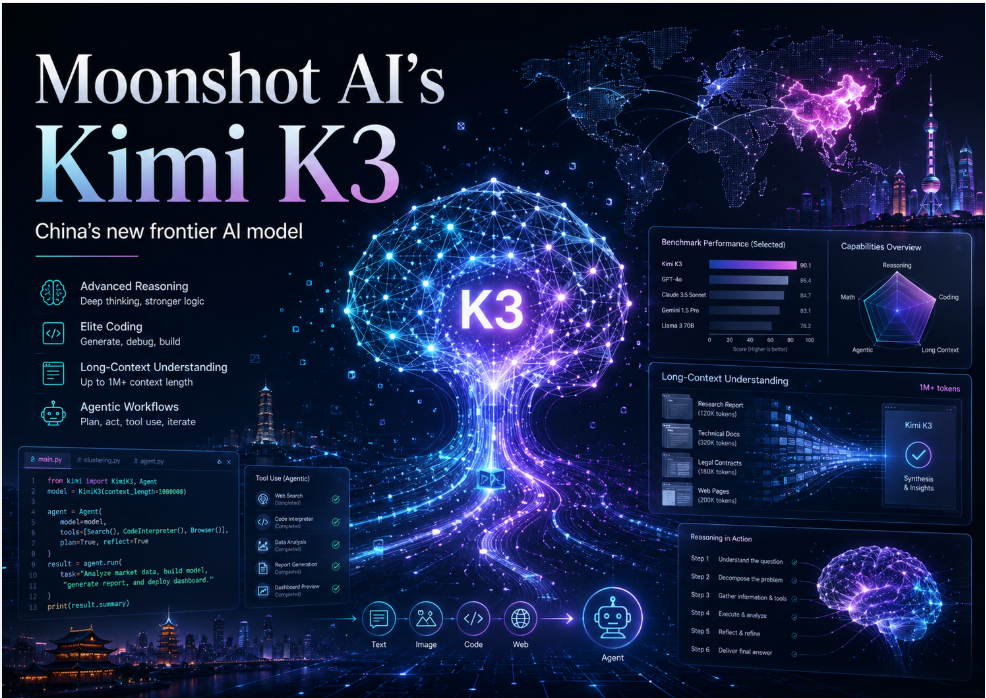
Moonshot AI’s Kimi K3
Executive summary Research cutoff date: July 21, 2026, Asia/Tokyo. This article reflects information that was publicly available and verifiable up to that date. Where Moonshot AI had announced future steps, such as an open-weight release expected after the cutoff, those are…
tada@aicritique.org
- Main , Trende
- July 21, 2026
- 28 views
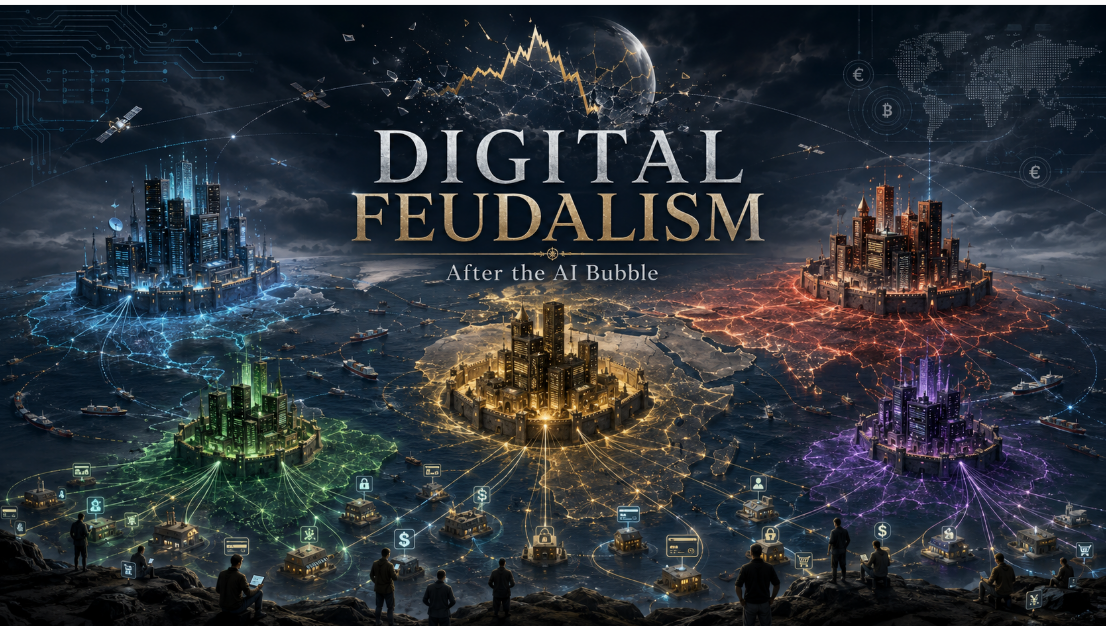
The Multi-Polar Digital Feudal Order That Could Emerge After the AI Bubble Bursts
Introduction: This Is a Thought Experiment, Not a Prediction The rapid spread of generative AI has encouraged a powerful vision of the future: a small number of AI companies may eventually dominate the world. In this scenario, corporations that develop…
- Main , RAG , Review , Trende
- July 13, 2026
- 88 views
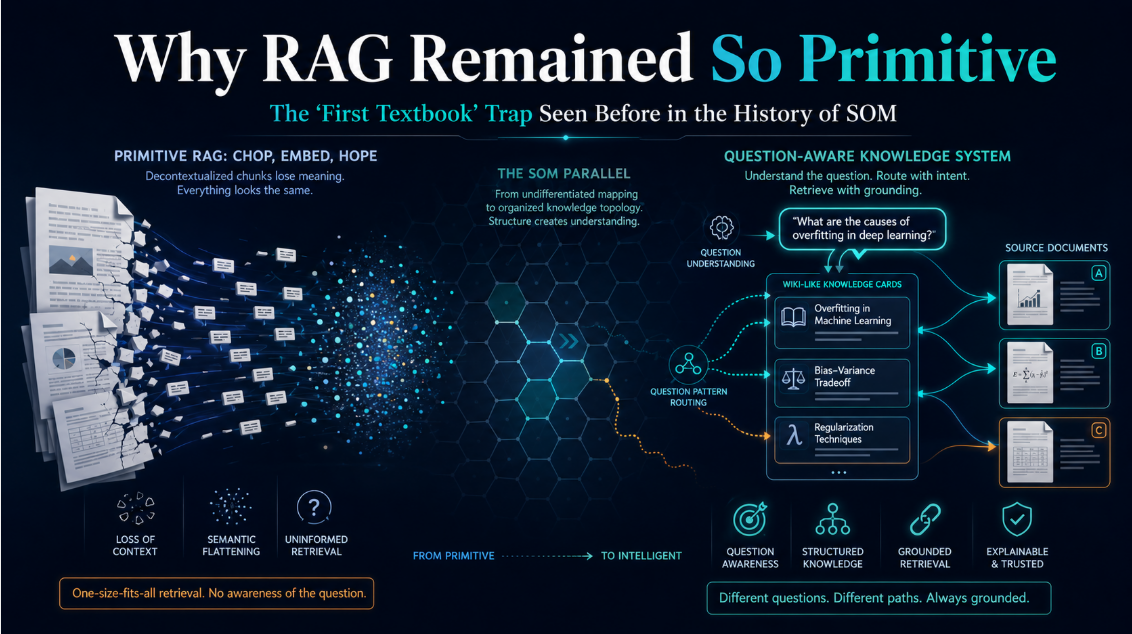
Why RAG Remained So Primitive
The “First Textbook” Trap Seen Before in the History of SOM Retrieval-Augmented Generation, or RAG, has become widely known as a way to connect generative AI with internal corporate documents. The commonly presented explanation of RAG is surprisingly simple: LangChain’s…
- LM , Main , News Topics
- July 12, 2026
- 260 views
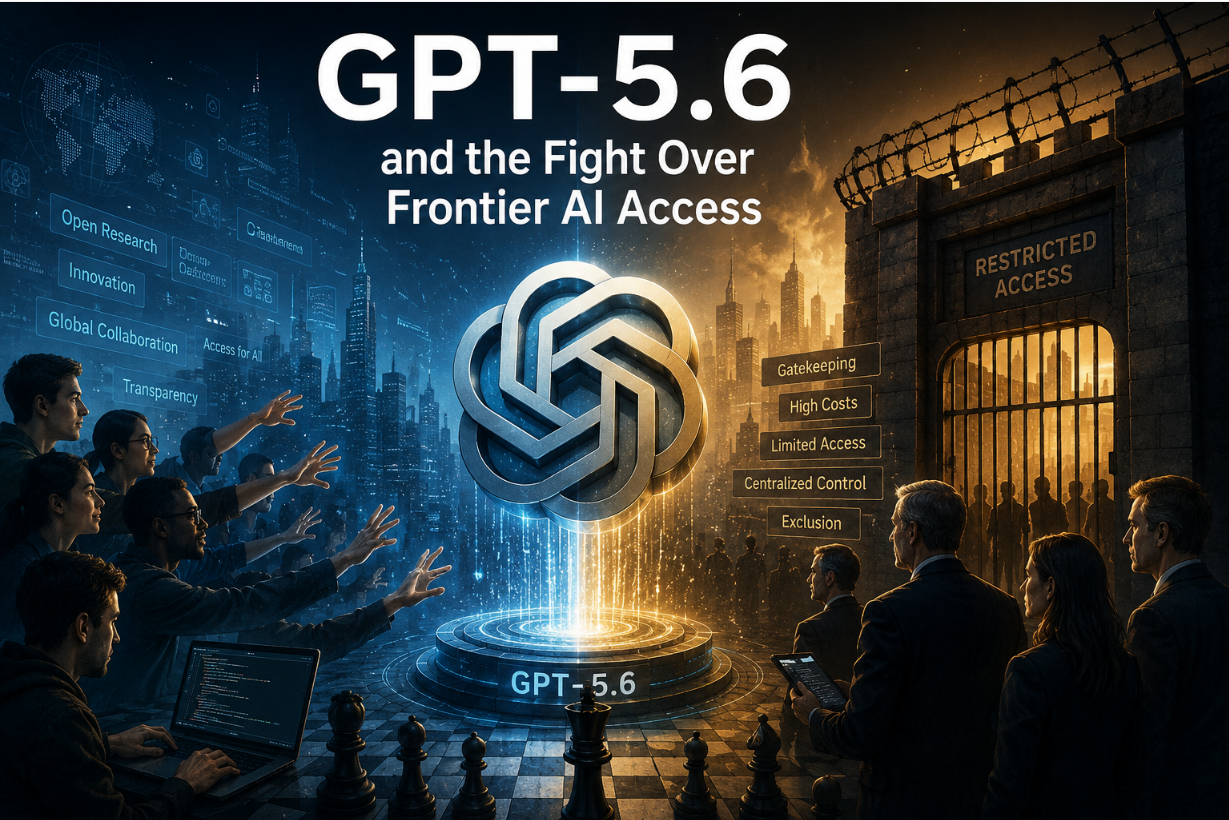
GPT-5.6 and the Fight Over Frontier AI Access
Executive summary GPT-5.6 did not arrive as a routine model update. OpenAI first introduced the GPT-5.6 family in a limited preview on June 26, 2026, then moved to general availability on July 9, 2026 after a short, unusually visible period of U.S. government…
- Philosophy of AI
- July 9, 2026
- 90 views
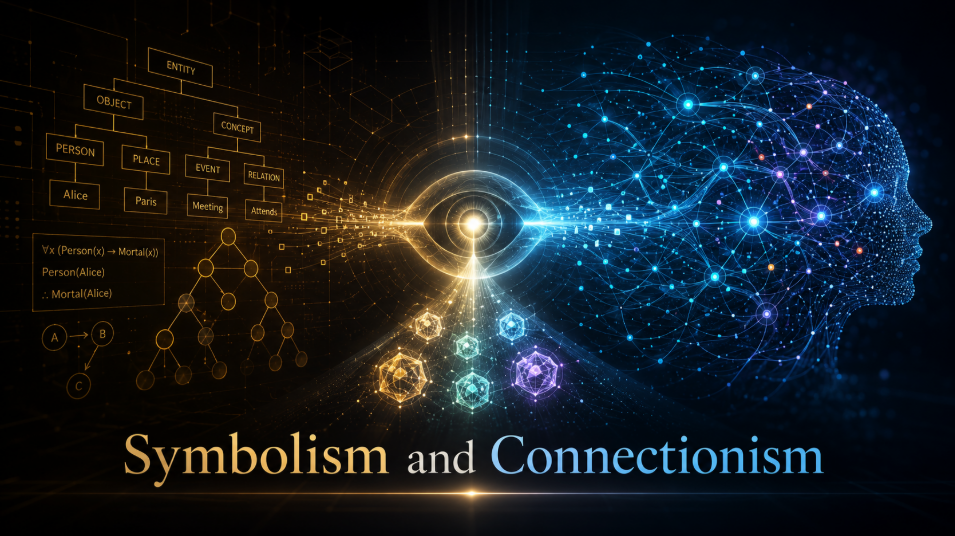
Symbolism and Connectionism
AI Must Not Merely Describe the Structure of the World—it Must Generate Concepts The history of artificial intelligence research can be understood, in broad terms, as a rivalry between two major approaches. The first is symbolism, which attempts to represent knowledge…
- Main , News Topics , Trende
- July 2, 2026
- 7197 views
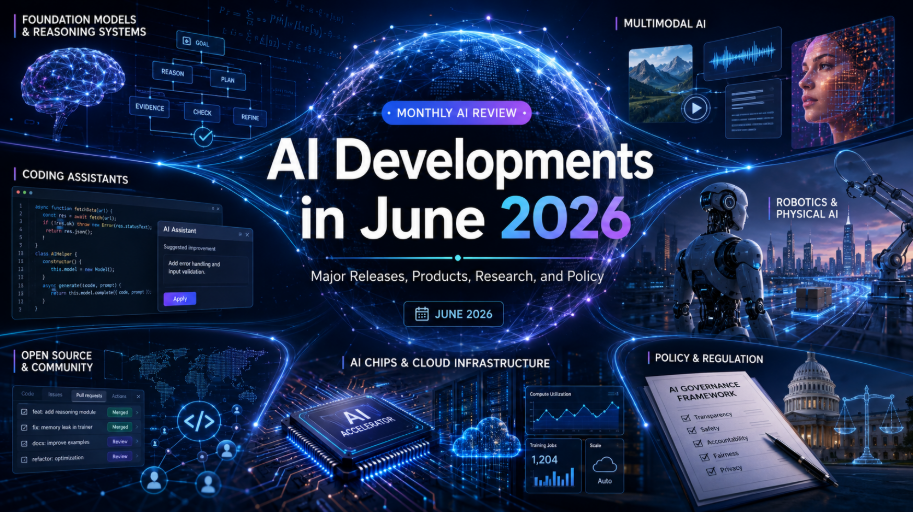
AI Developments in June 2026: Major Releases, Products, Research, and Policy
Executive Summary: June 2026 saw a torrent of AI advances and industry moves. OpenAI unveiled the next leap in generative models – the GPT-5.6 series (Sol, Terra, Luna) – in a government-curated limited preview. Google DeepMind added new capabilities to its…

- AI Governance , Employment Issues , Main , Nation , Philosophy of AI , Regulation , Society
- June 27, 2026
- 144 views
Could AI Produce a Corporate Feudal Order
How platform power, AI infrastructure, private payment ecosystems, and weak fiscal capacity could push advanced capitalism toward something that resembles a new medievalism without ever fully becoming one Executive Summary The strongest version of the “corporate feudalism” thesis is not…

- AI Governance , Nation , Society
- June 27, 2026
- 196 views
AI Nationalization and State Control
Executive summary The practical policy question is no longer whether governments will literally own AI companies. It is whether states will control the strategic chokepoints of AI: the chips, data centers, cloud clusters, safety evaluations, model releases, procurement rules, export…

Exaggeration and Reality in Multi-Agent Systems
Introduction: The Fantasy of “AI Subordinates” In recent months, a particular narrative has spread across YouTube, X, blogs, and business-oriented AI commentary: with tools such as ChatGPT Codex, Claude Code, Cursor, Devin, and other agent-based systems, a user can now…
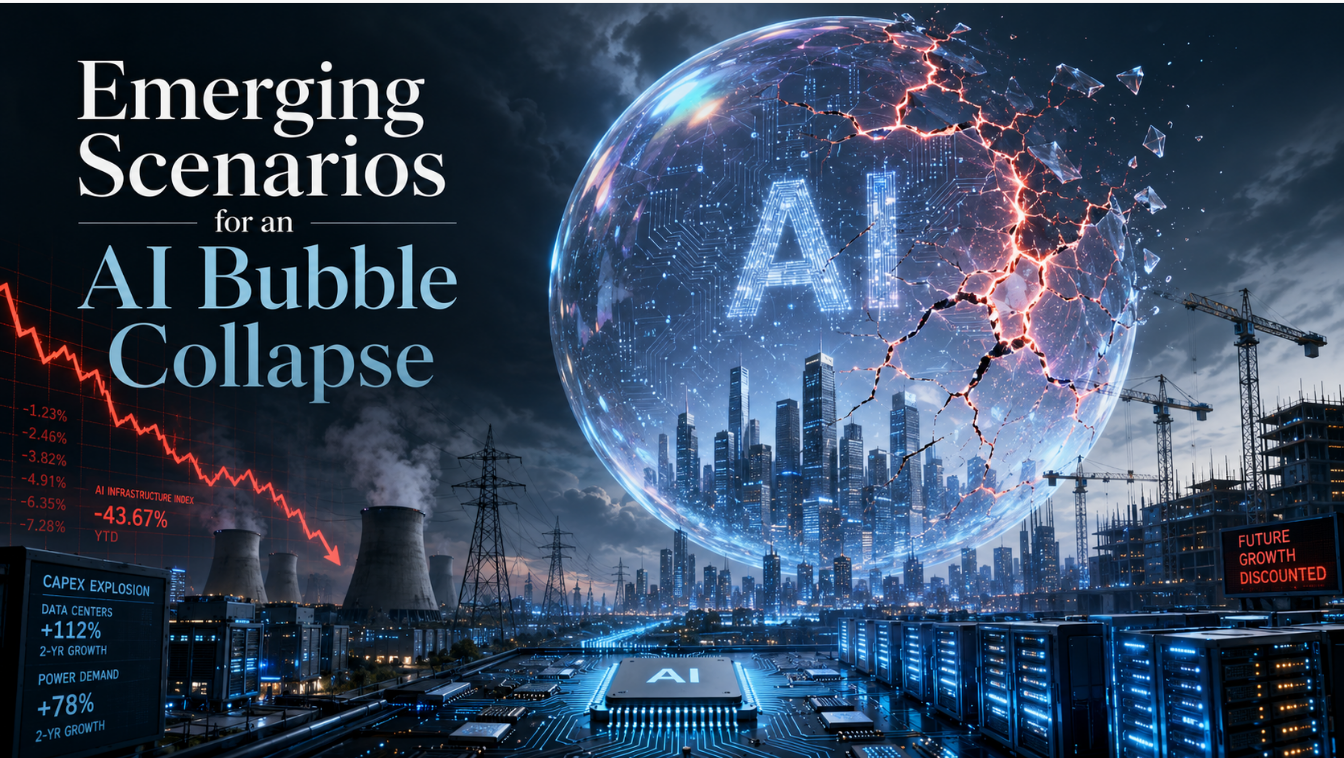
Emerging Scenarios for an AI Bubble Collapse
Executive summary The most plausible “visible” AI bubble collapse is not a scenario in which artificial intelligence stops mattering. It is a scenario in which AI remains technically real and socially useful, but the financial claims built on top of it…