
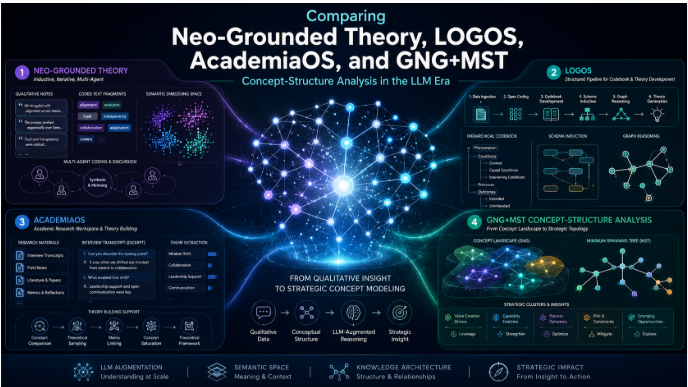
Comparing Neo-Grounded Theory, LOGOS, AcademiaOS, and GNG+MST Concept-Structure Analysis
Executive Summary This report argues that the four approaches under comparison do not belong to a single methodological family in the same sense. Neo-Grounded Theory, LOGOS, and AcademiaOS are best understood as LLM-era attempts to automate, augment, or scale grounded-theory-style qualitative analysis for scholarly inquiry. By contrast, GNG+MST concept-structure…
ChatGPT
- Generative AI , LM , News Topics , Uncategorized
- June 10, 2026
- 1798 views
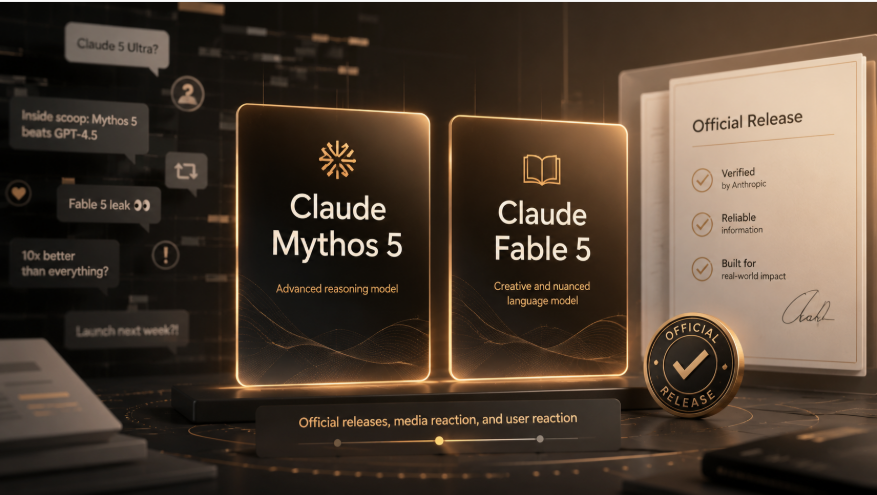
Claude Mythos 5 and Claude Fable 5 Are Official Anthropic Releases, but Much of the Early Chatter Was Not
Introduction As of June 10, 2026, Claude Fable 5 and Claude Mythos 5 are not fan labels, parody names, or mere rumors. They are now official Anthropic model names, publicly documented on Anthropic’s website, product pages, and API documentation. But that official status only dates…

- Edge AI , Main , News Topics
- June 1, 2026
- 837 views
NVIDIA RTX Spark: The Chip That Could Turn the Windows PC Into a Local AI Workstation
Research date: June 1, 2026Suggested SEO title: NVIDIA RTX Spark Explained: The AI PC Chip Challenging Apple Silicon and Snapdragon XMeta description: NVIDIA RTX Spark brings Grace Blackwell-class AI computing into Windows laptops and mini PCs. Here is what RTX…

- News Topics , Trende
- June 1, 2026
- 15081 views
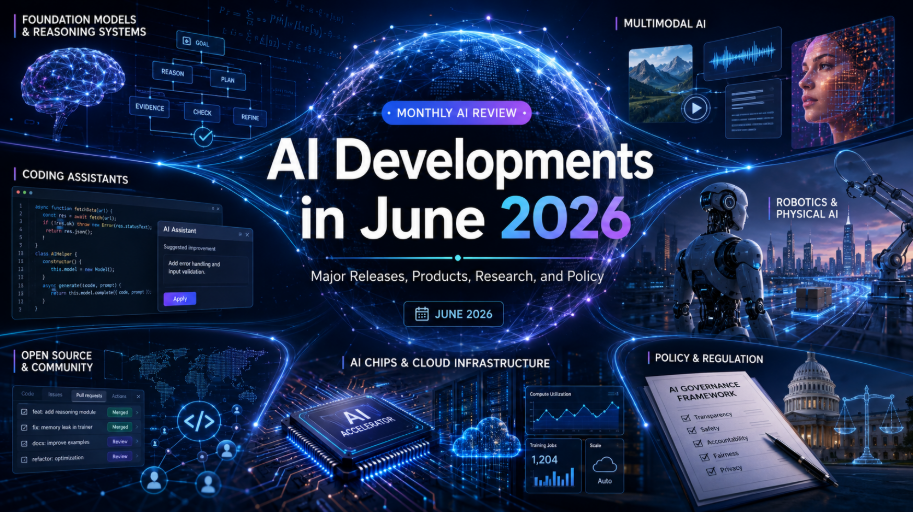
AI Developments in May 2026
Executive Summary May 2026 saw rapid advances in AI across technology, business, and policy worldwide. Frontier LLMs and agentic AI dominated the headlines: Google unveiled Gemini Omni (video-and-multi-modal generation) and Gemini 3.5 agent models at its I/O conference(1)(2), while OpenAI updated ChatGPT’s engine to GPT-5.5…

Gemini
- News Topics , Trende
- May 31, 2026
- 360 views
From “Waiting for Instructions” to “Autonomous Execution”: May 2026, Autonomous AI Agents and Extreme Multimodality Reshape the World
1. Introduction: The Complete Shift of Paradigms As of late May 2026, the global artificial intelligence (AI) development landscape has reached a historic turning point. The era of the “conversational AI assistant (chatbot)” that has dominated the market is practically…
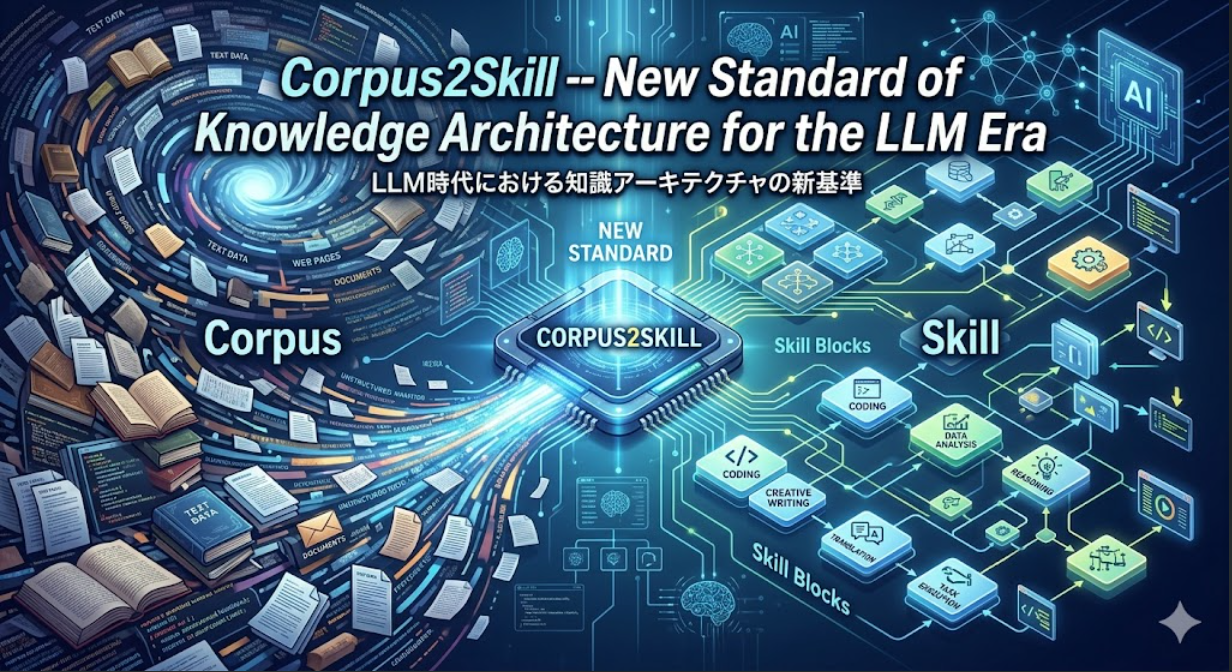
Corpus2Skill — New Standard of Knowledge Architecture for the LLM Era
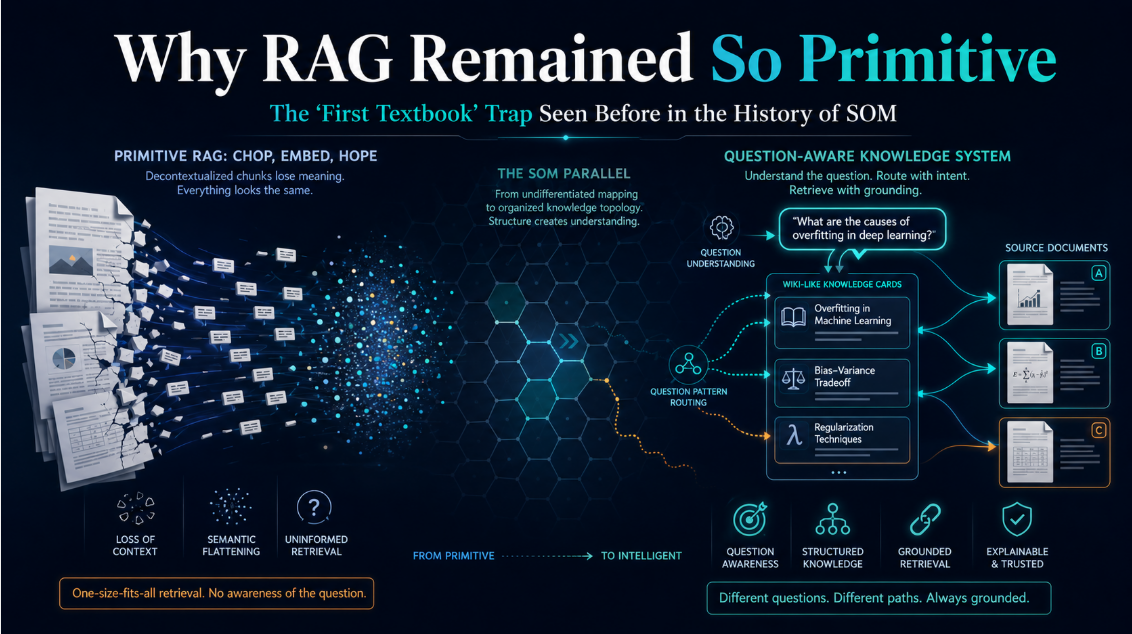
Executive Summary The core shift in enterprise knowledge systems is no longer just from “documents” to “LLMs.” It is from retrieving snippets toward structuring, navigating, editing, and exploring knowledge in forms that fit different kinds of work. Standard Retrieval-Augmented Generation, or RAG, remains the…
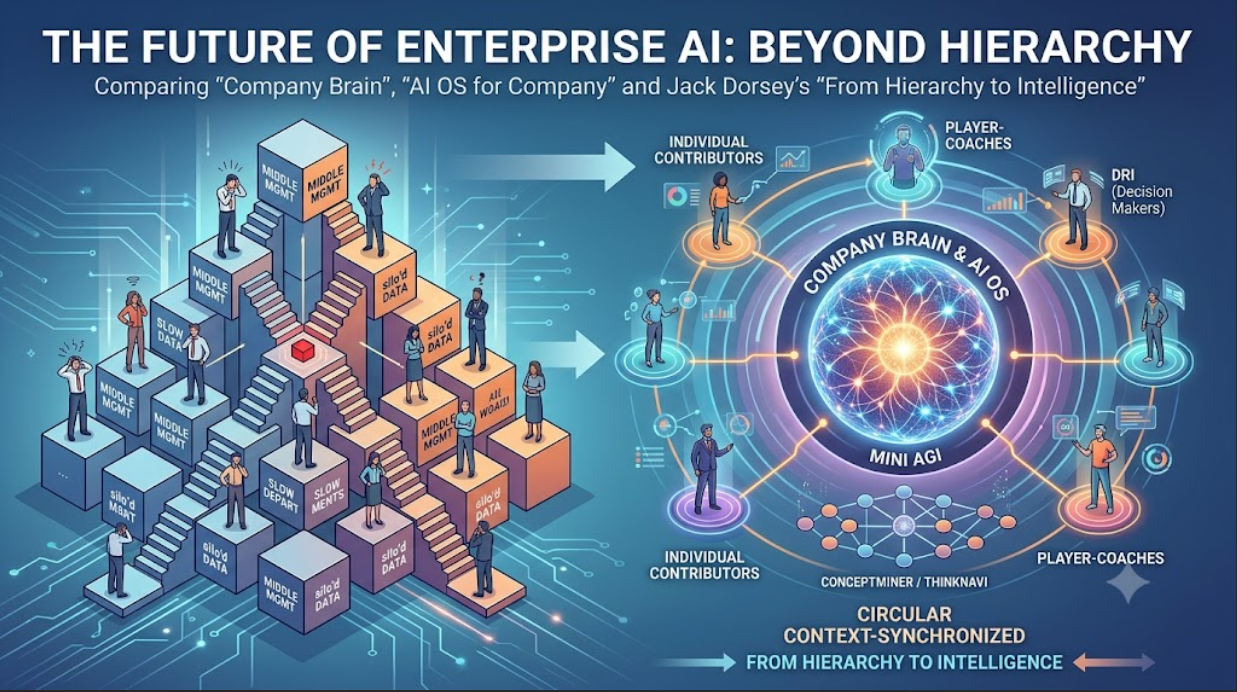
The End of Hierarchy, the Rise of Intelligence: How “Company Brain” and “AI OS” Are Rewriting the Future of Organization
The evolution of AI is no longer just about boosting individual productivity. We are witnessing a fundamental redesign of the very architecture of the enterprise. Tech leaders and management theorists in Silicon Valley and beyond are actively debating three revolutionary…
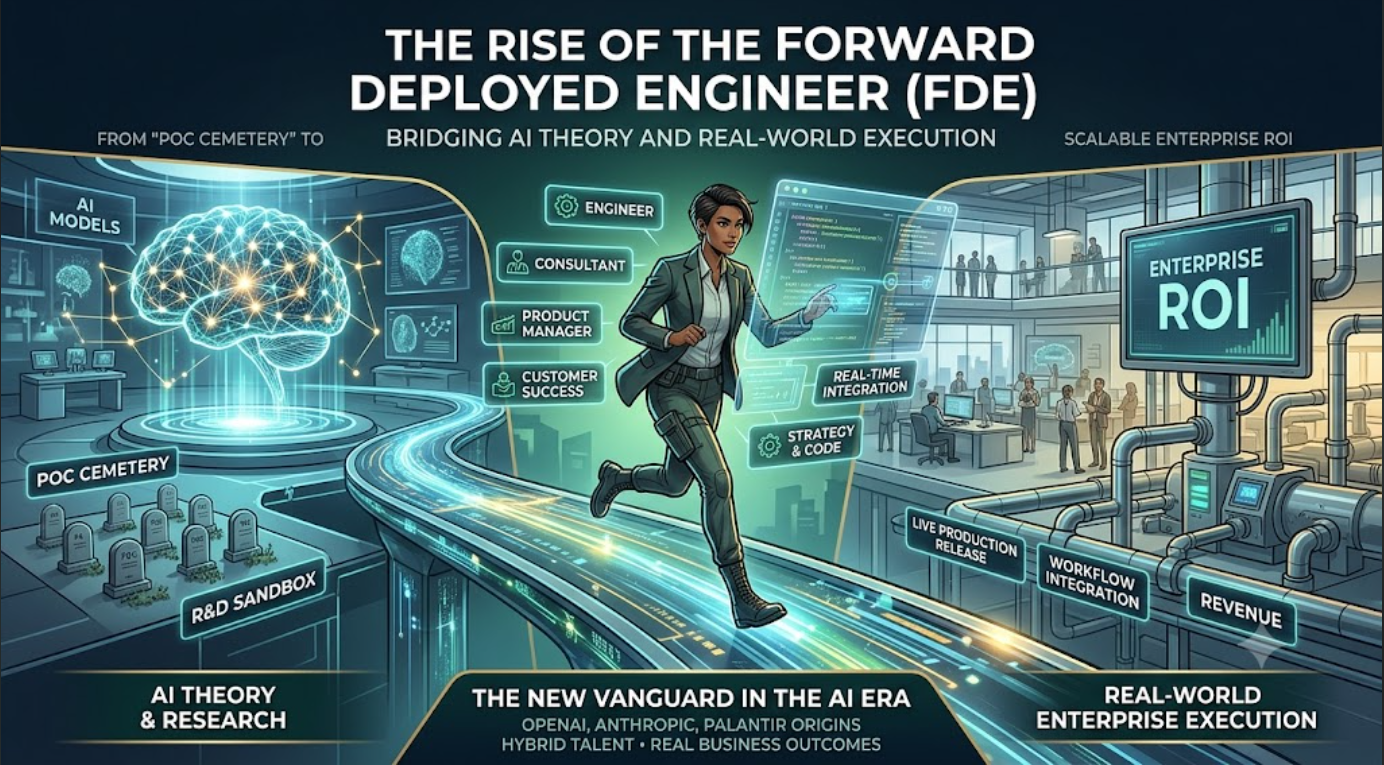
The Rise of the Forward Deployed Engineer: Bridging the High-Stakes Chasm Between AI Theory and Execution
I. Introduction: The New Vanguard of the AI Revolution Moving Beyond the Model: The Birth of the FDE The initial gold rush of the generative AI era focused heavily on scale. Tech giants and well-funded startups raced to build models…
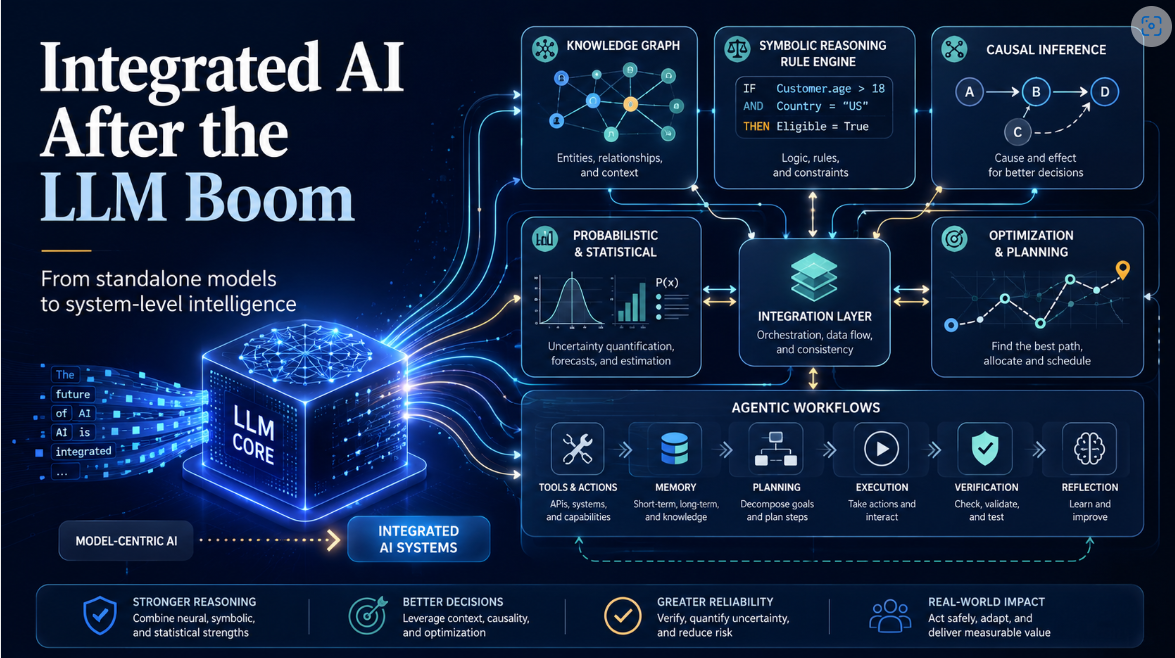
Integrated AI After the LLM Boom
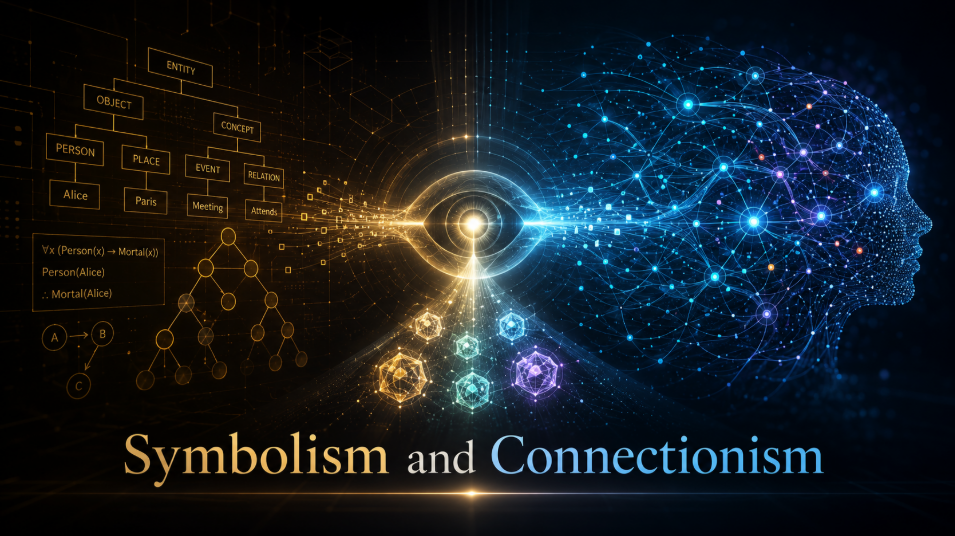
Executive summary Detailed research report for article writing Background and context. Neural AI’s achievements remain extraordinary. Frontier models now write and summarize text, generate and debug code, handle multimodal inputs, and in many products invoke external tools, search the web, or…
tada@aicritique.org
- Featured , Knowledge Graph , LM , RAG , Trende
- May 8, 2026
- 3777 views
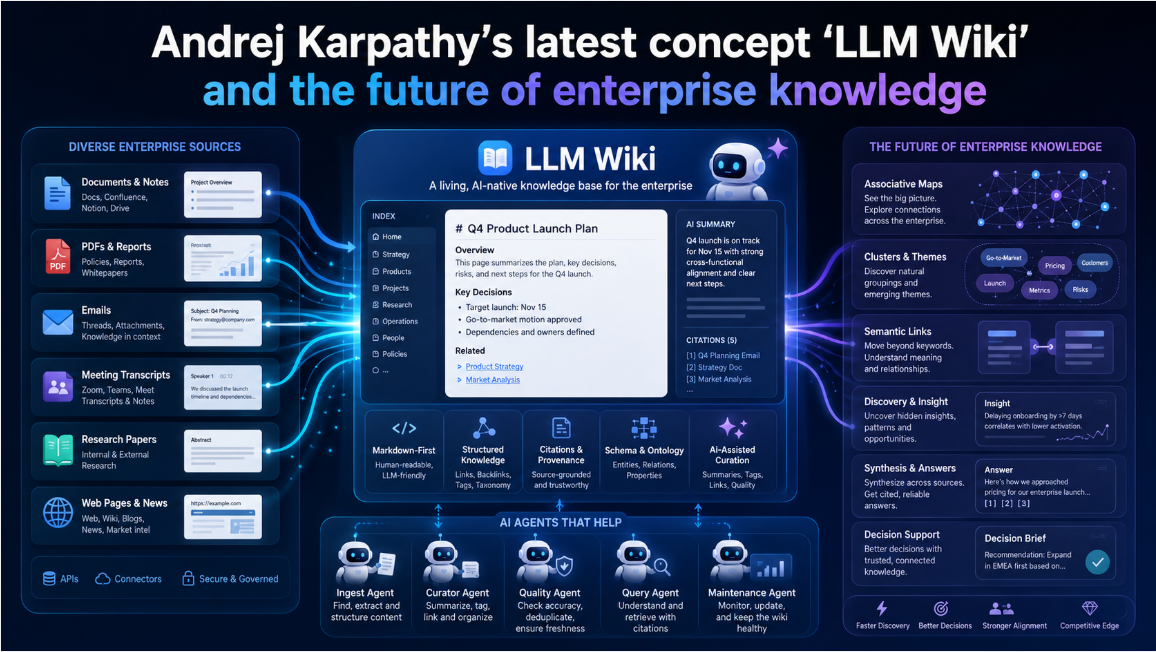
Andrej Karpathy’s latest concept ‘LLM Wiki’ and the future of enterprise knowledge
Executive summary Andrej Karpathy’s public GitHub Gist, published on April 4, 2026, describes LLM Wiki not as a finished product, but as an “idea file” for agentic knowledge work: instead of re-retrieving raw fragments on every question, an LLM incrementally compiles curated…